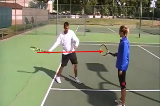
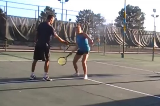
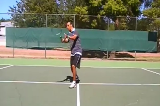
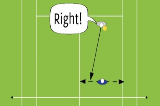
Player inserts a pen between the hand and the racquet's grip. Player imitates forehand without changing a grip.
In this exercise, the pen is a valuable tool that will do all the work for the coach. Every time the player tries to change the grip to the old one, they will feel it because of the pen. After imitating, the coach should toss or feed balls to challenge players at the early stages of grip's change.
Changing a grip is a complex process that can transform an average forehand into real weapon or can make a player refuse to play tennis anymore. It is important to get a new grip if the old one prevents them from playing up to the their potential.
For forehand stroke, the coach should emphasize eastern or semi-western grip because these grips allow maintaining the best balance between the power and the spin's production.
Continental and western grips have many disadvantages for groundstrokes so coaches can consider changes in this situation. Many athletes don't realise when they come back to the old habits so coaches have to know techniques to make players aware of their mistakes.
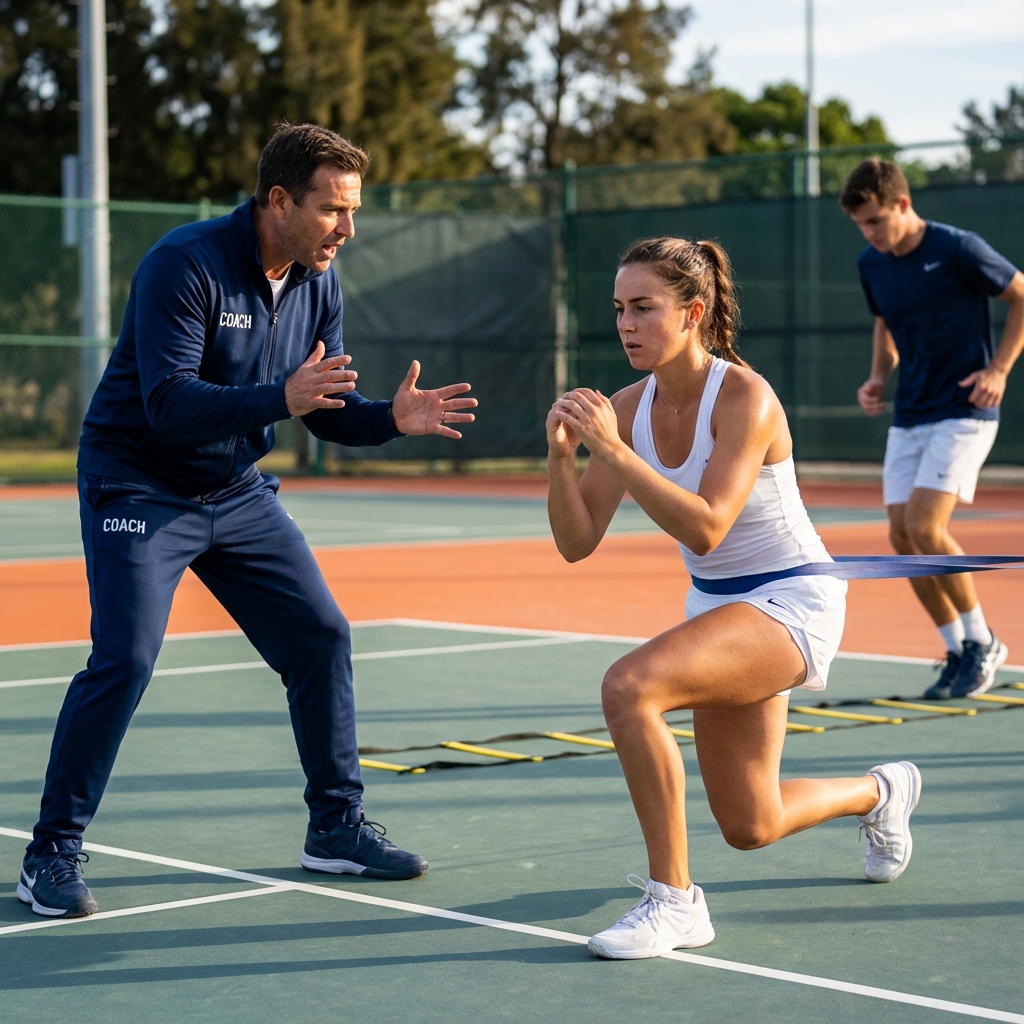
Tennis demands a unique combination of endurance, power, agility, and flexibility. Physical preparation determines how long careers last and how players perform when it matters most.
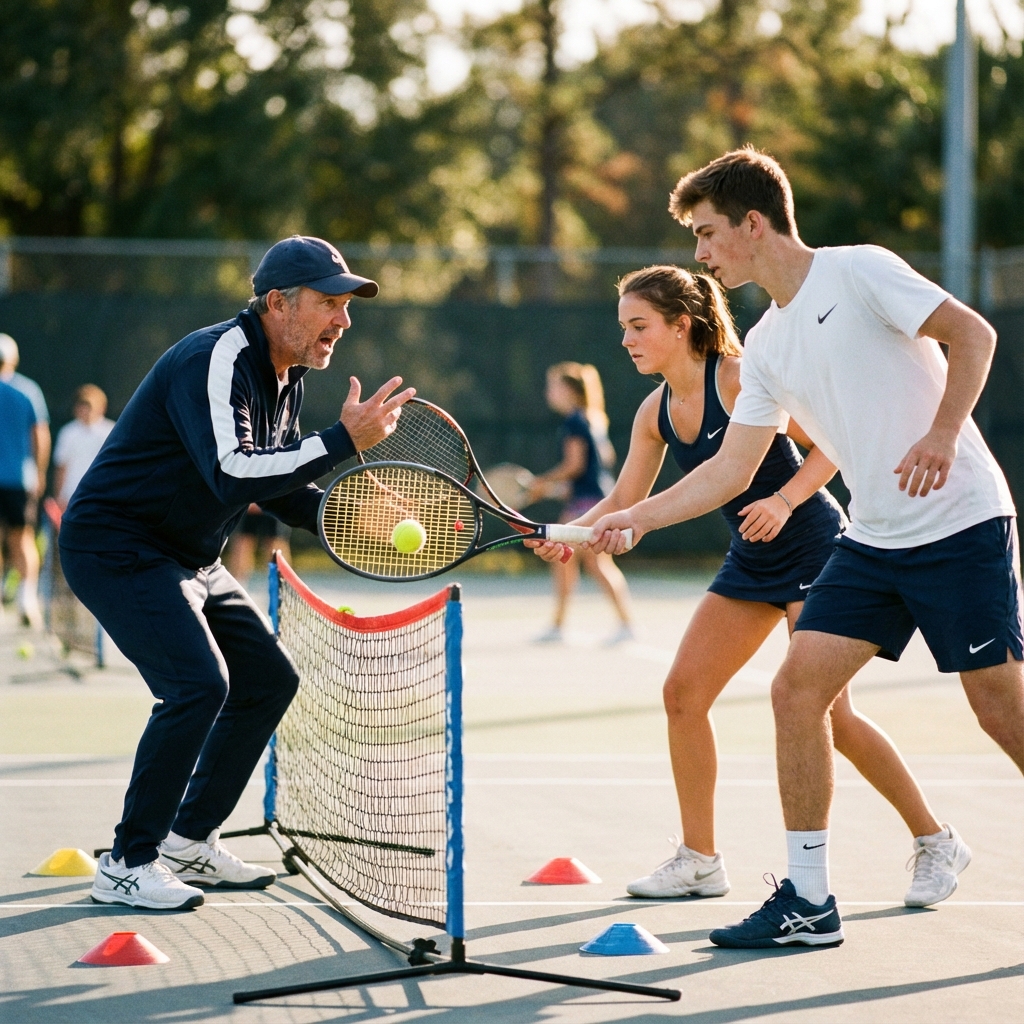
Ecological dynamics is transforming tennis coaching. This constraints-led approach develops adaptable, creative players who can solve problems in competition, not just execute drilled patterns.
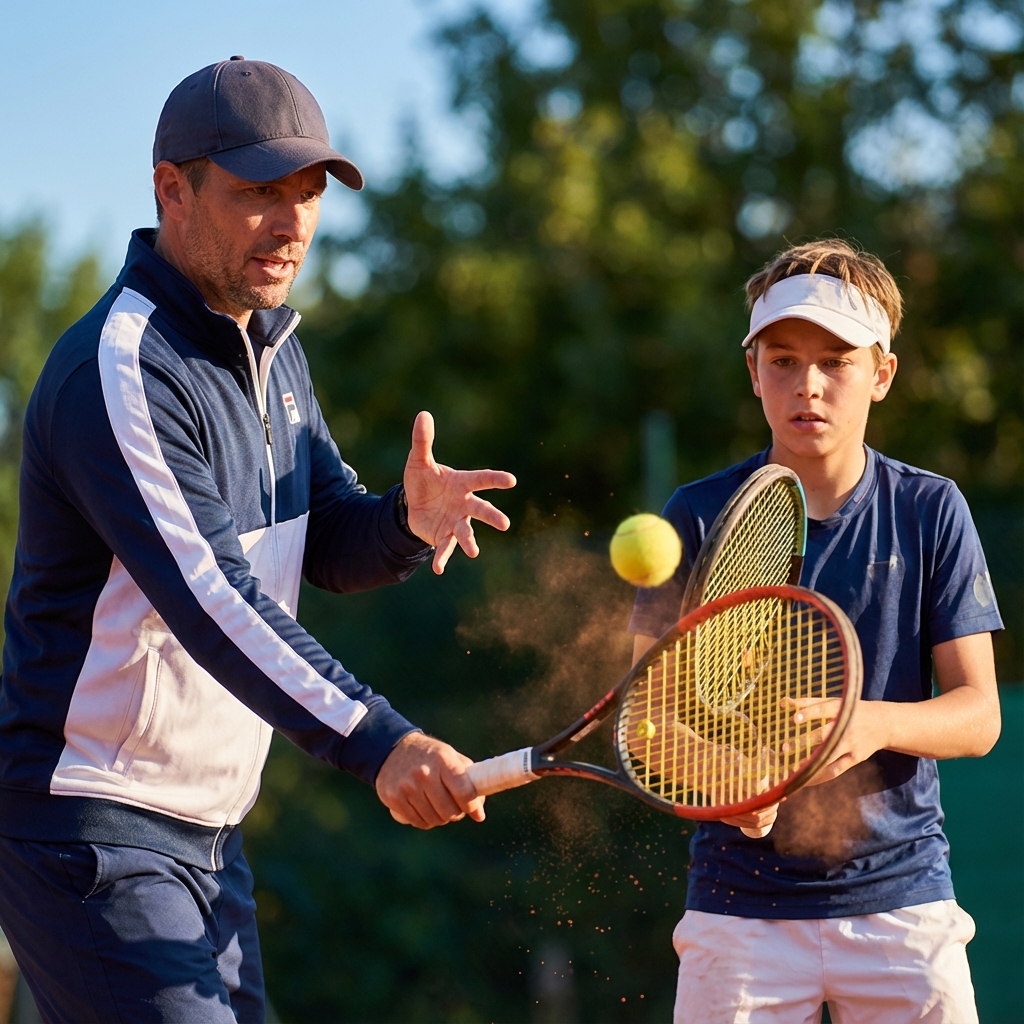
The one-handed backhand is becoming rare, but when executed well, it remains one of tennis's most elegant and effective shots. Is it a dying art or a tactical advantage?


Register for FREE and get coaching tips, top drills, session and more every week!