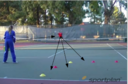
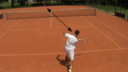
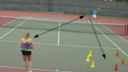
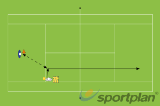
Cones are set in the ad corner. The coach feeds 9 balls. 3 to the deuce side (deep, middle, short), 3 to the centre (deep, middle, short) and 3 to the ad side (deep, middle, short). The player hits all forehands to the ad side.
Forehand is the dominant stroke for most of the players at all levels. That is why it should be priority to develop this stroke into a weapon that can bring many points during the match. Aspects like consistency, power, depth and control have to be trained to achieve desired results of offensive forehand. Only by spending time on specifically designed drills players can make forehand really effective even while playing under pressure.
In this drill, the player works on forehand skills. The coach forces player to hit forehand from different areas on the court so constant adaptation is needed to achieve success. The coach can make feeding faster or slower according to the level of the player and intensity he wants to deliver. By being able to hit from different spots to the backhand corner, the player can be really dangerous because during the match opponent will have to come up with good defensive skills to counter these shots.
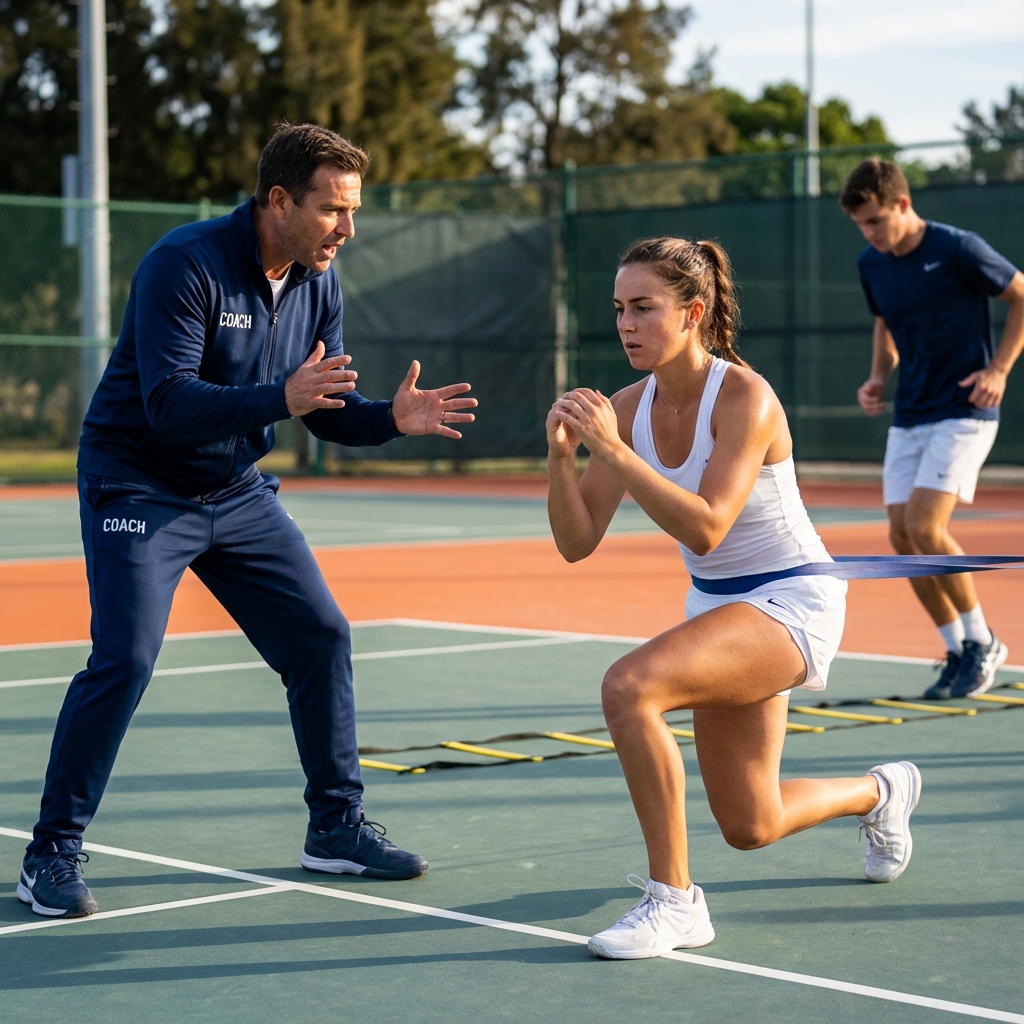
Tennis demands a unique combination of endurance, power, agility, and flexibility. Physical preparation determines how long careers last and how players perform when it matters most.
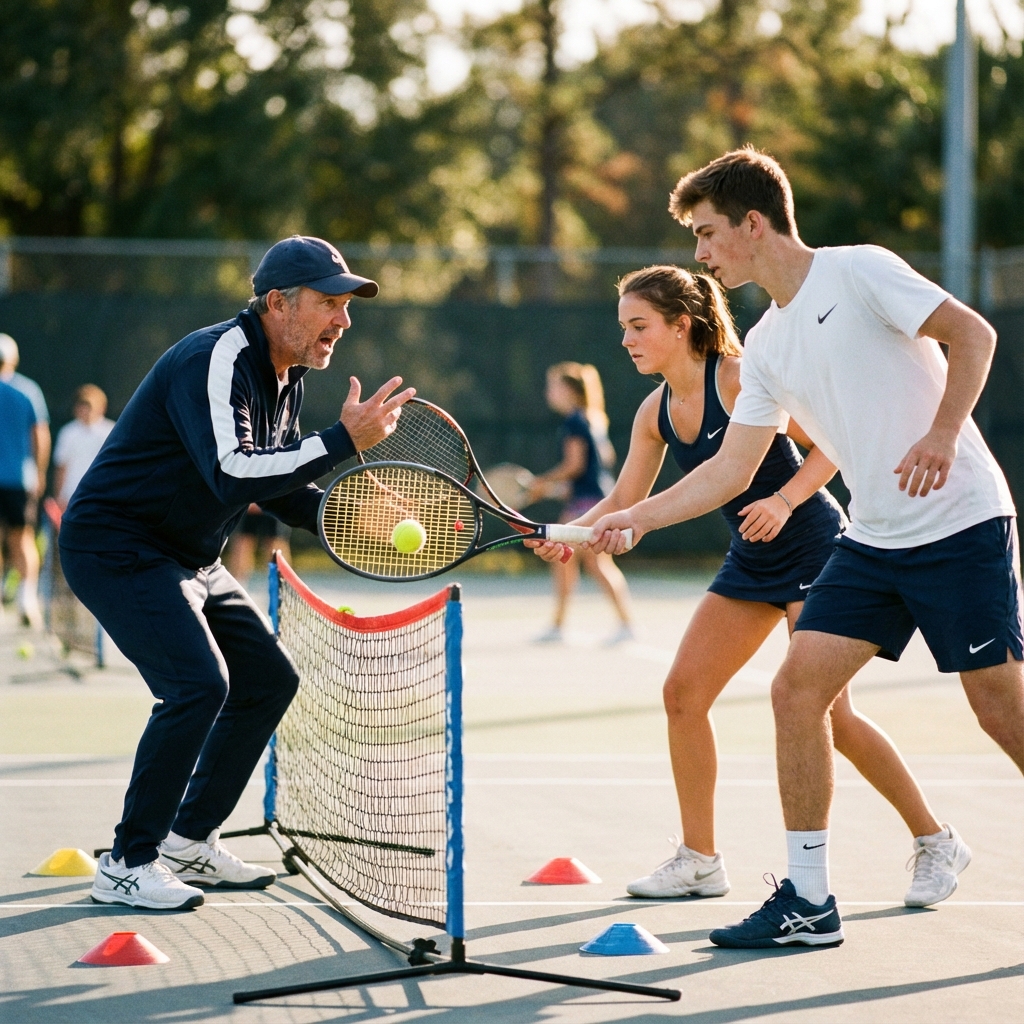
Ecological dynamics is transforming tennis coaching. This constraints-led approach develops adaptable, creative players who can solve problems in competition, not just execute drilled patterns.
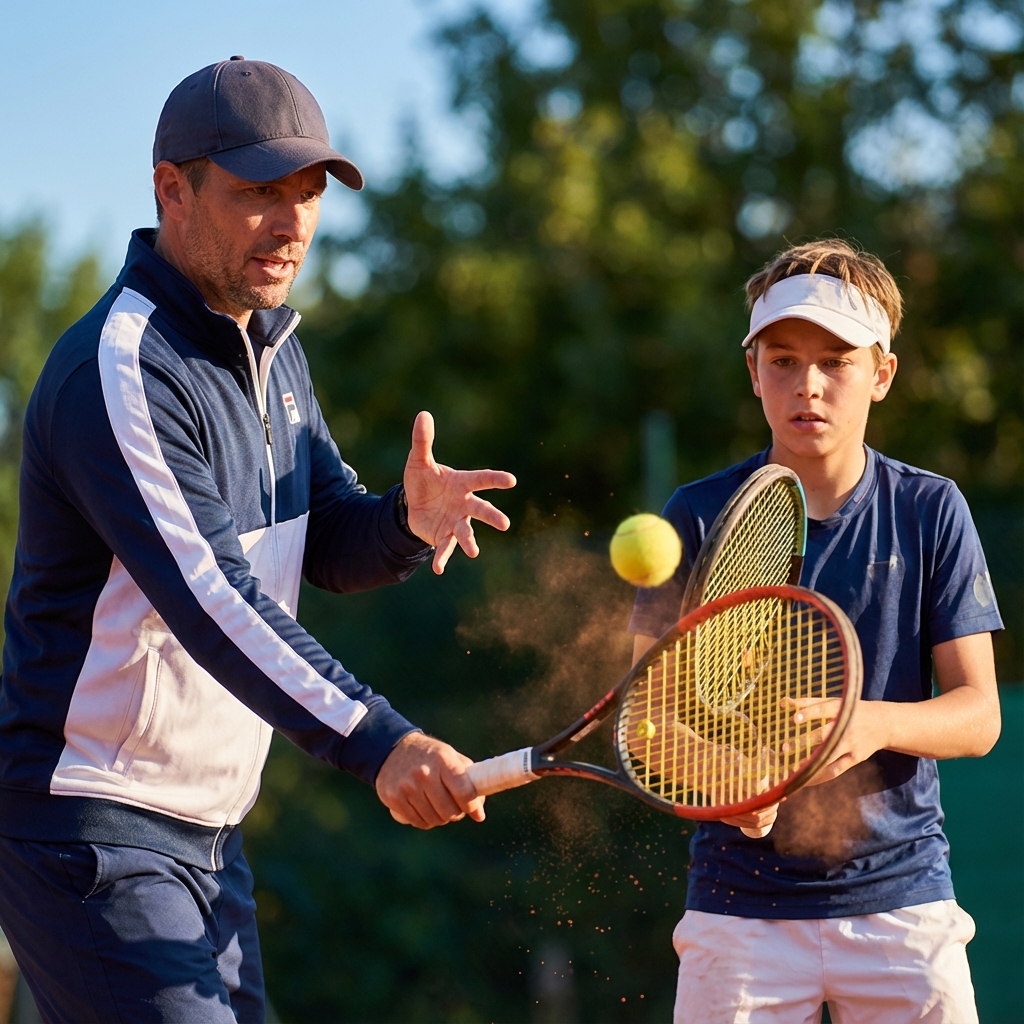
The one-handed backhand is becoming rare, but when executed well, it remains one of tennis's most elegant and effective shots. Is it a dying art or a tactical advantage?


Register for FREE and get coaching tips, top drills, session and more every week!