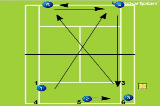
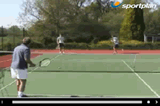
The player wears resistance cords (bands are attached to the waist and ankles), whilst hitting backhand strokes. Resistance cords forces the player to bend knees and maintain low position.
Many players make a lot of mistakes because they don't bend the knees deeply enough. Late point of contact or slower reaction are examples of errors made by straight legs and inefficient position.
In this drill, the player works on the low position while hitting backhand strokes. Resistance cords force the player to keep low position because every attempt to straighten the legs results in a big tension created by this tool. This is also a great equipment to develop strength and muscle endurance of legs' muscles.
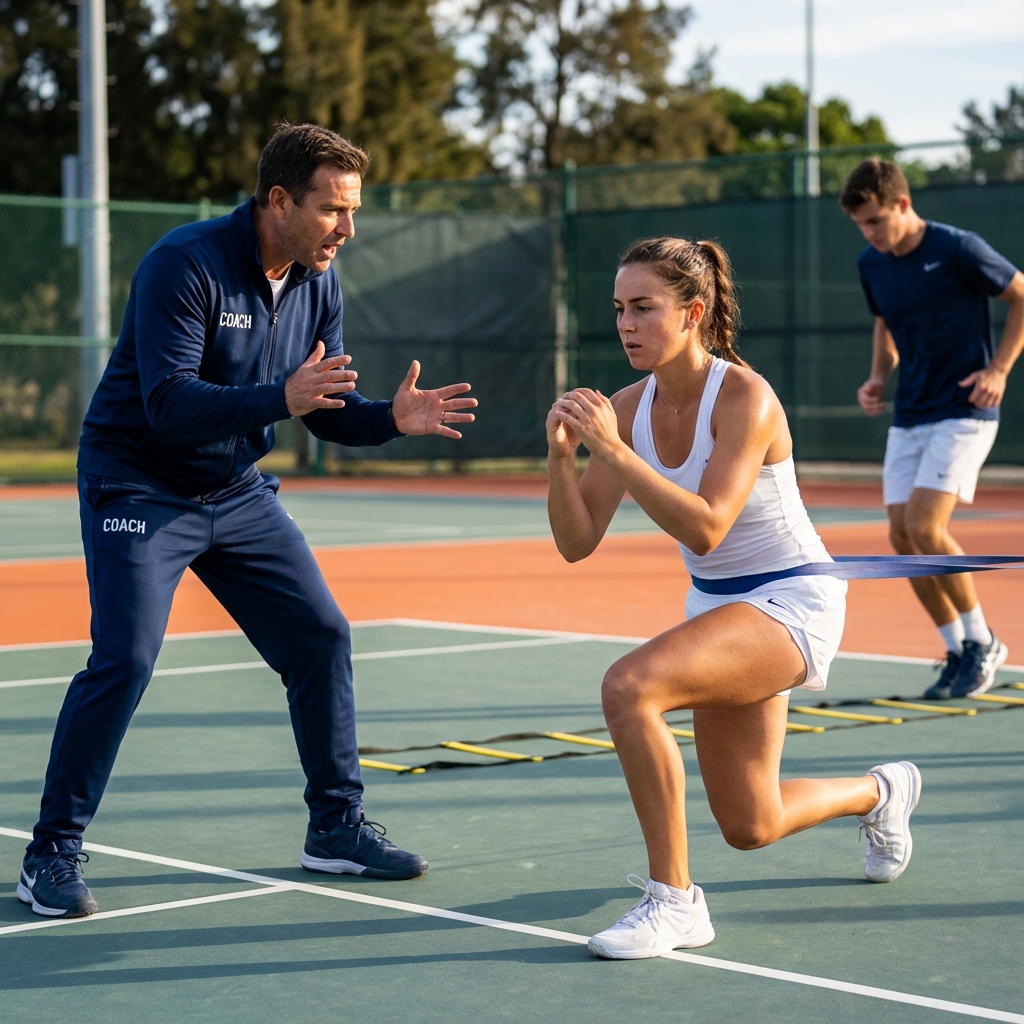
Tennis demands a unique combination of endurance, power, agility, and flexibility. Physical preparation determines how long careers last and how players perform when it matters most.
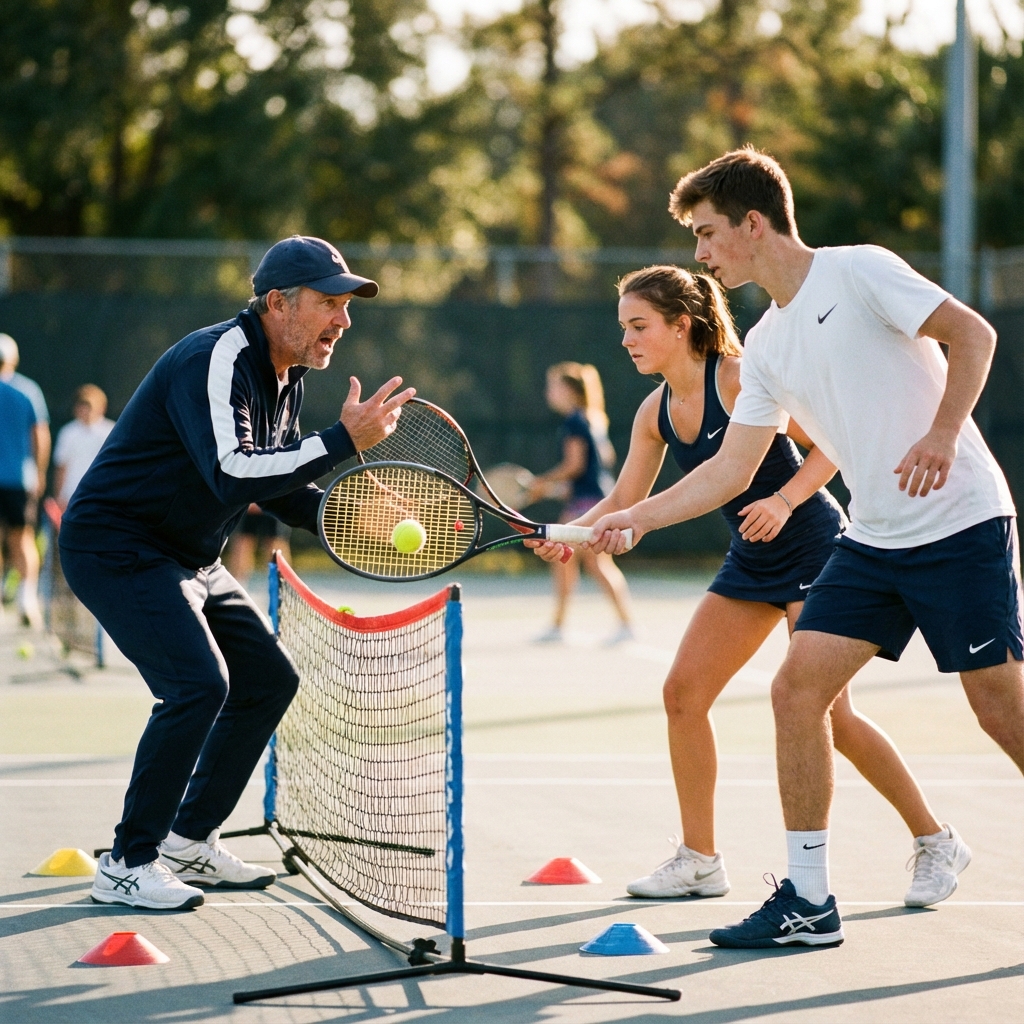
Ecological dynamics is transforming tennis coaching. This constraints-led approach develops adaptable, creative players who can solve problems in competition, not just execute drilled patterns.
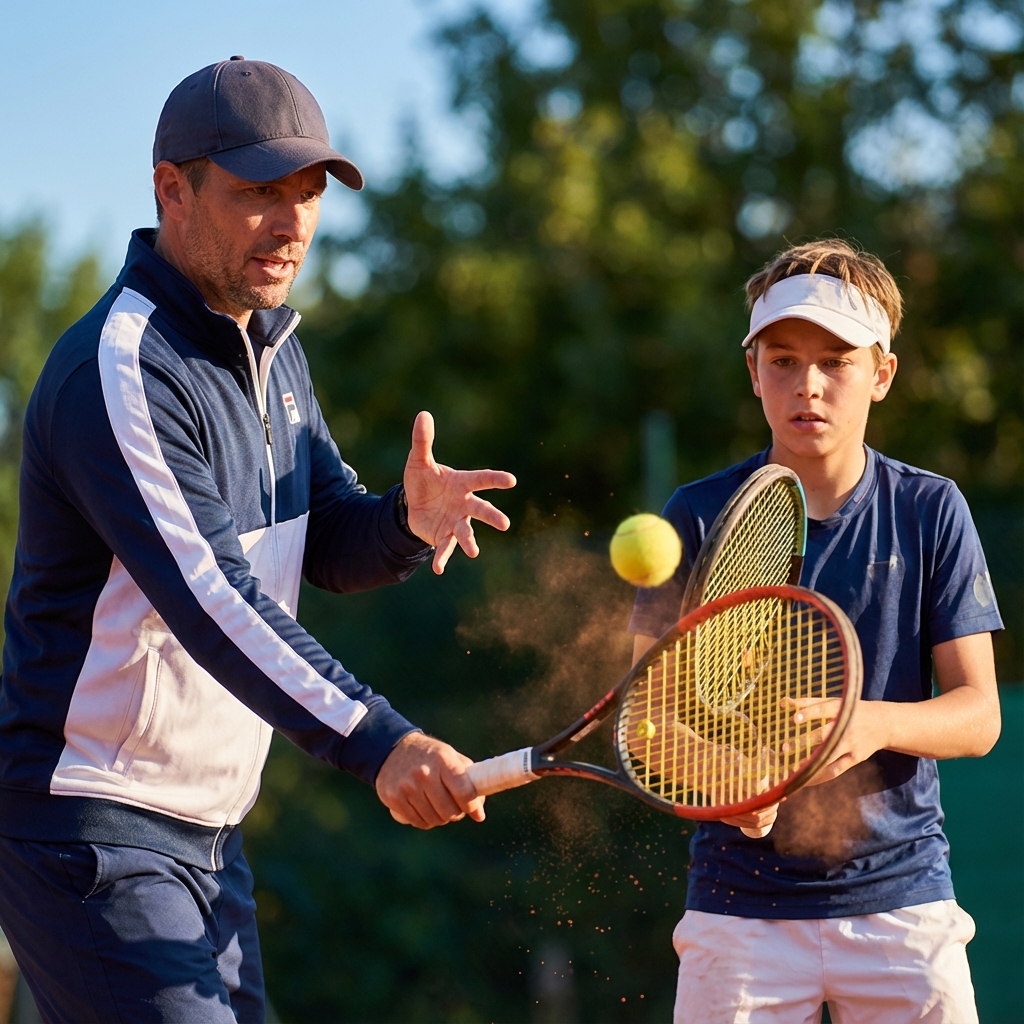
The one-handed backhand is becoming rare, but when executed well, it remains one of tennis's most elegant and effective shots. Is it a dying art or a tactical advantage?


Register for FREE and get coaching tips, top drills, session and more every week!