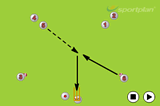
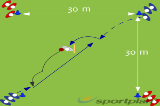
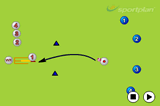
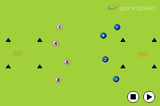
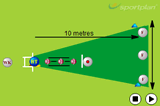
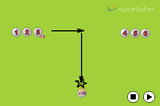
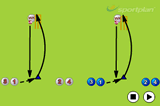
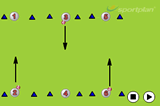
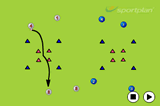
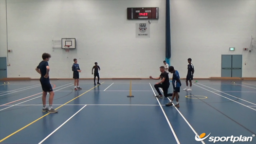
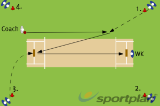
This category focuses on ground fielding technique, throwing accuracy, and fielding under pressure.These drills help players develop reliable fielding skills that save runs and create wickets.Perfect for all players from U10 through Senior level.Ideal for coaches building athletic, reliable fielding units that make a difference in matches.
In cricket the way a player carries out ground fielding and throwing the ball back to his fellow players is hugley important.
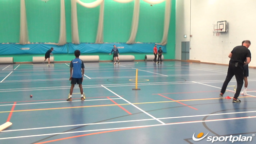
Through these drills your players will become adept at stopping the ball using the standard ?long barrier? technique (see video below) which involves the fielder forming a barrier with the bottom half of their leg. Good technique leaves the fielder in a kneeling position.
Throwing involves getting the ball as quickly to a fellow player without it bouncing. The goal is to run a batsman out (hitting the stumps before they reach the crease). A good technique is to have a solid standing stance, feet slightly apart, shoulders facing the direction you want the ball to travel. When coaching young people advise them to point to where they want the ball to go after release.

The covers are on and the last tea has been served. What your club does between now and April decides how the next season starts. Here is a simple, honest winter plan for players, bowlers and juniors.
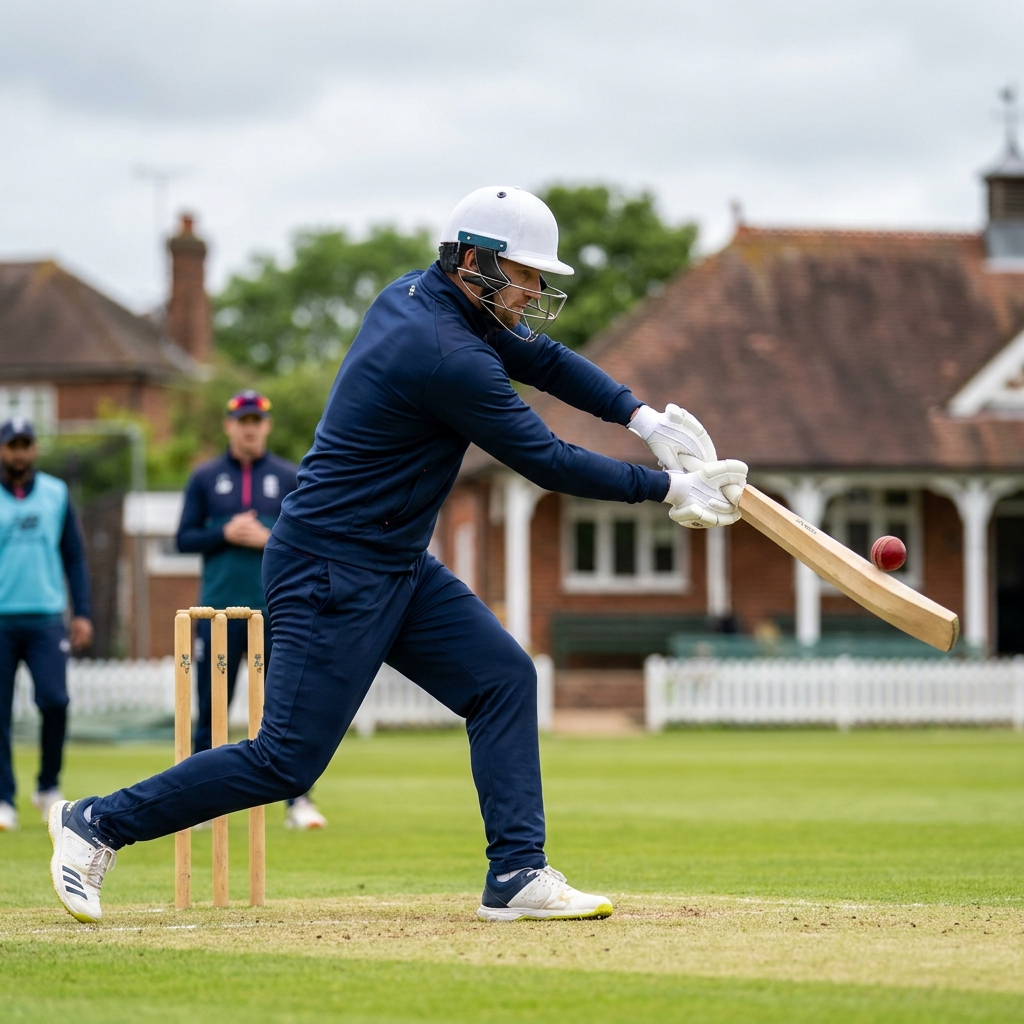
August is when seasons are decided, and most club games are lost chasing rather than setting. Give your batters a framework for the chase and you win the close ones.

Green July pitches and a shiny Dukes mean the ball is talking. Here is how to coach your batters to survive the moving ball, trust their defence, and cash in once the shine has gone.


Register for FREE and get coaching tips, top drills, session and more every week!