Youth basketball faces a retention crisis. Too many kids drop out before reaching their potential because early experiences emphasize winning over development, or training doesn't match their developmental readiness. Smart coaches adapt their approach to the age they're teaching.
Ages 5-8: FUNdamentals
The youngest players need different priorities:
Movement skills: Running, jumping, changing direction. General athleticism over basketball specifics.
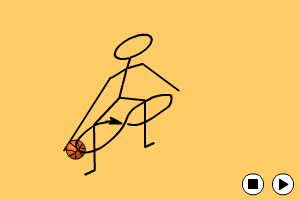
Ball familiarity: Comfort handling, dribbling, catching. Success comes from repetition, not correction.
Game-based learning: Modified games with simple rules. Competition should be fun, not stressful.
Short attention spans: Activities change frequently. Keep things moving and engaging.
Smaller equipment: Lower hoops, smaller balls. Enable success at their size.
Ages 9-12: Skill Acquisition
This is the golden age for learning basketball skills:
Technique introduction: Proper form for shooting, passing, dribbling. Build correct habits now.
Individual skill focus: Time for personal development, not just team play.
Multiple positions: Don't specialize yet. Let players try everything.
Competitive introduction: Structured competition with developmental emphasis.
Decision-making: Begin teaching reads and basketball IQ.
Ages 13-16: Sport-Specific Training
Adolescence brings new opportunities:
Increased tactical complexity: Team concepts, plays, defensive schemes.
Strength training introduction: Body weight first, then progressive loading with proper supervision.
Position development: Players begin finding their roles, though versatility remains valuable.
Competition emphasis: Results start to matter more, but development still comes first.
Mental skills: Focus, composure, and competitive mindset become trainable.
Common Mistakes at Youth Levels
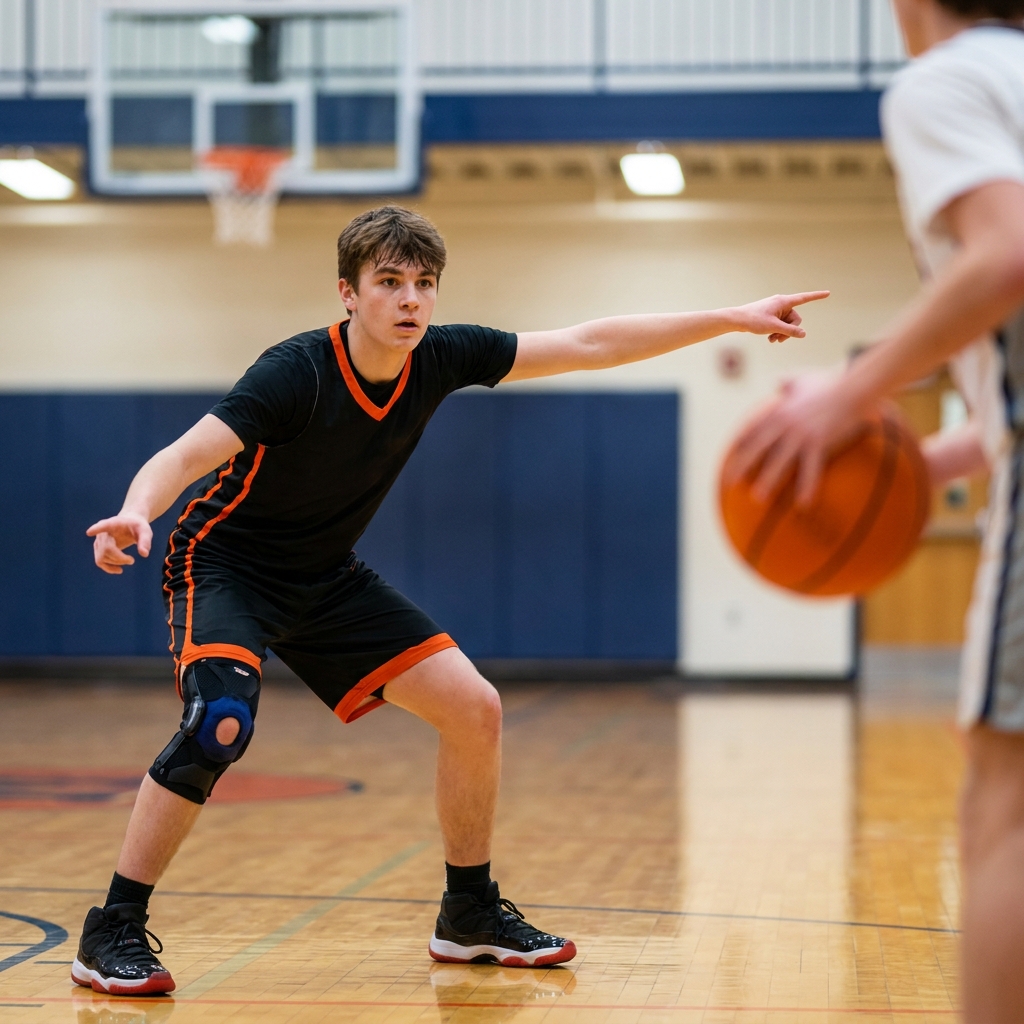
Zone defences too early: Man-to-man teaches fundamentals. Zone hides weaknesses instead of developing players.
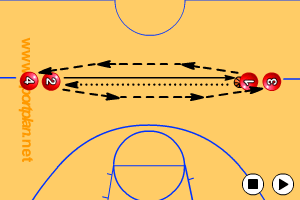
Press-breaking plays: Teaching kids to dribble under pressure develops skills better than set plays.
Complicated offences: Motion concepts over set plays. Let kids read and react.
Winning over development: Winning youth leagues doesn't predict future success. Development does.
Yelling corrections: Positive instruction works better than criticism at every age.
Practice Design
High activity time: Minimize lines and standing. Everyone should be moving.
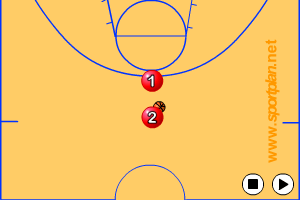
Game-like situations: Practice should look like playing. Drills that don't transfer waste time.
Appropriate challenge: Hard enough to push growth, easy enough to succeed.
Varied activities: Change activities to maintain engagement, especially with younger players.
Parent Communication
Parents need to understand the approach:
Explain development philosophy: Why playing time is distributed. Why winning isn't the only goal.
Set expectations: What you'll work on, how kids will improve, what success looks like.
Address concerns: Open communication prevents frustration.
Key Coaching Points
- Age-appropriate training is essential - don't coach 8-year-olds like high schoolers
- Ages 9-12 are crucial for skill acquisition - prioritize technique
- Avoid zone defence and complex plays at young ages
- High activity, game-like practice engages kids and develops skills
- Development beats winning at youth levels - always