The kids line up at one end of the court. Feed from the opposite side of the net. Each kid gets a certain number of chances to get a forehand or backhand into the doubles court.
If she gets one in, she is safe. If not, she goes to jail: she goes to the other end of the court where she'll try to catch a ball hit by another player. If she makes her catch, she is free from jail, and the player she caught goes to jail. When only one player is left, she tries to get three shots in that don't get caught before she misses three. If she succeeds, she wins the game. If someone catches one of her shots, it's a jailbreak: everyone is free, and a new round begins.
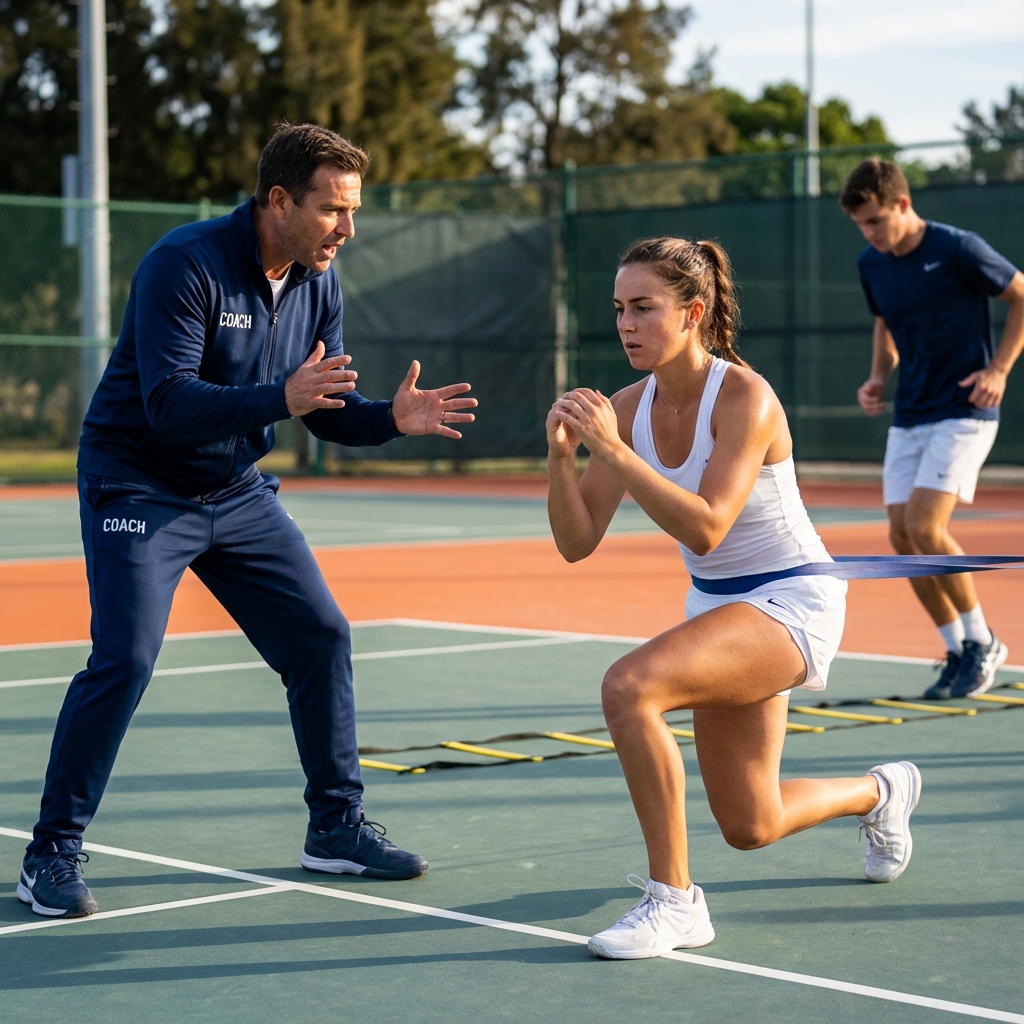
Tennis demands a unique combination of endurance, power, agility, and flexibility. Physical preparation determines how long careers last and how players perform when it matters most.
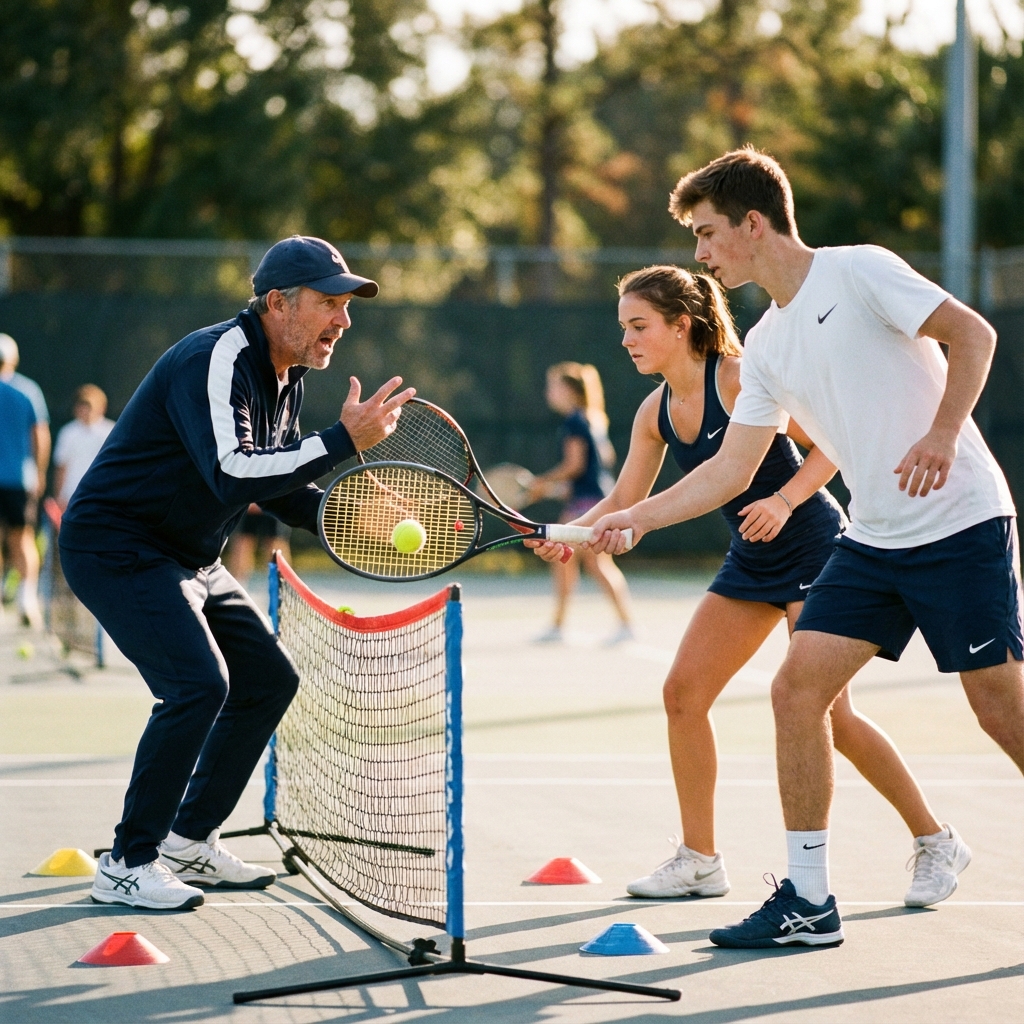
Ecological dynamics is transforming tennis coaching. This constraints-led approach develops adaptable, creative players who can solve problems in competition, not just execute drilled patterns.
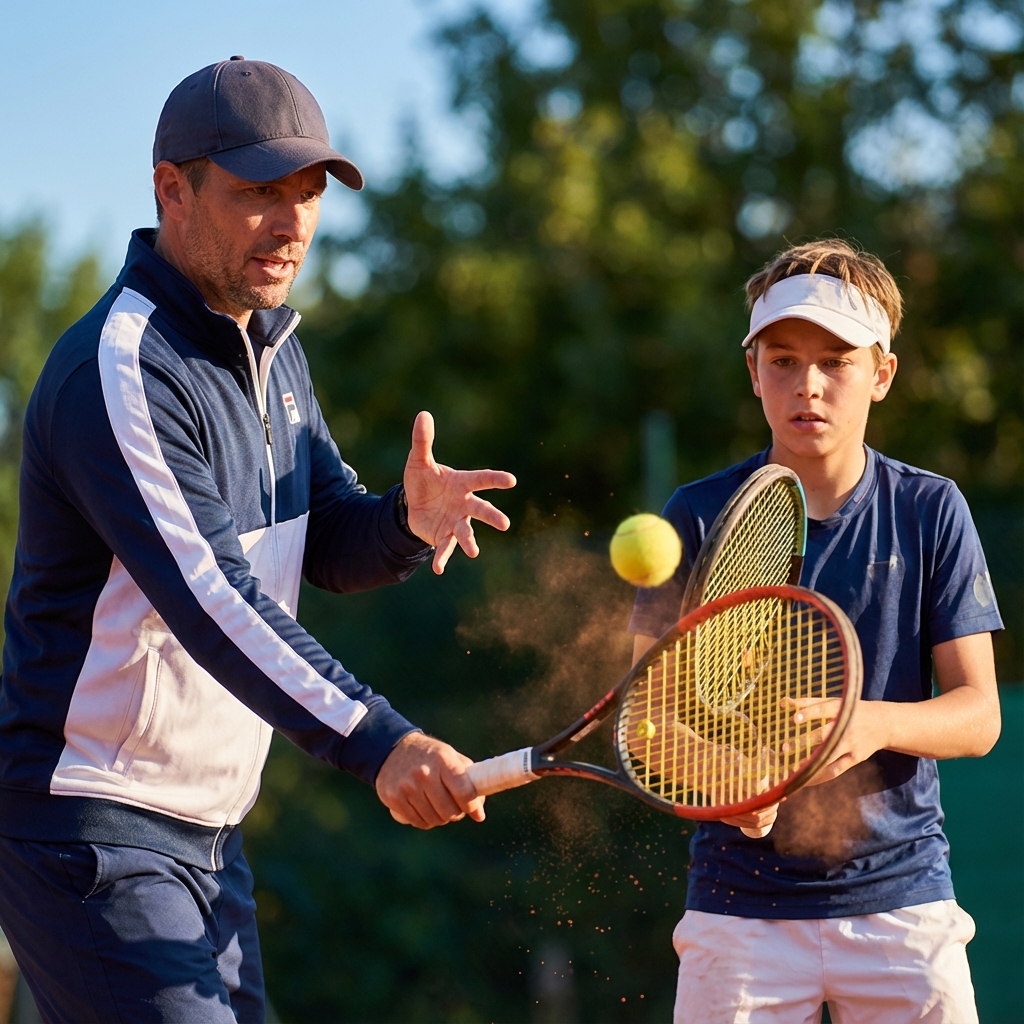
The one-handed backhand is becoming rare, but when executed well, it remains one of tennis's most elegant and effective shots. Is it a dying art or a tactical advantage?


Register for FREE and get coaching tips, top drills, session and more every week!