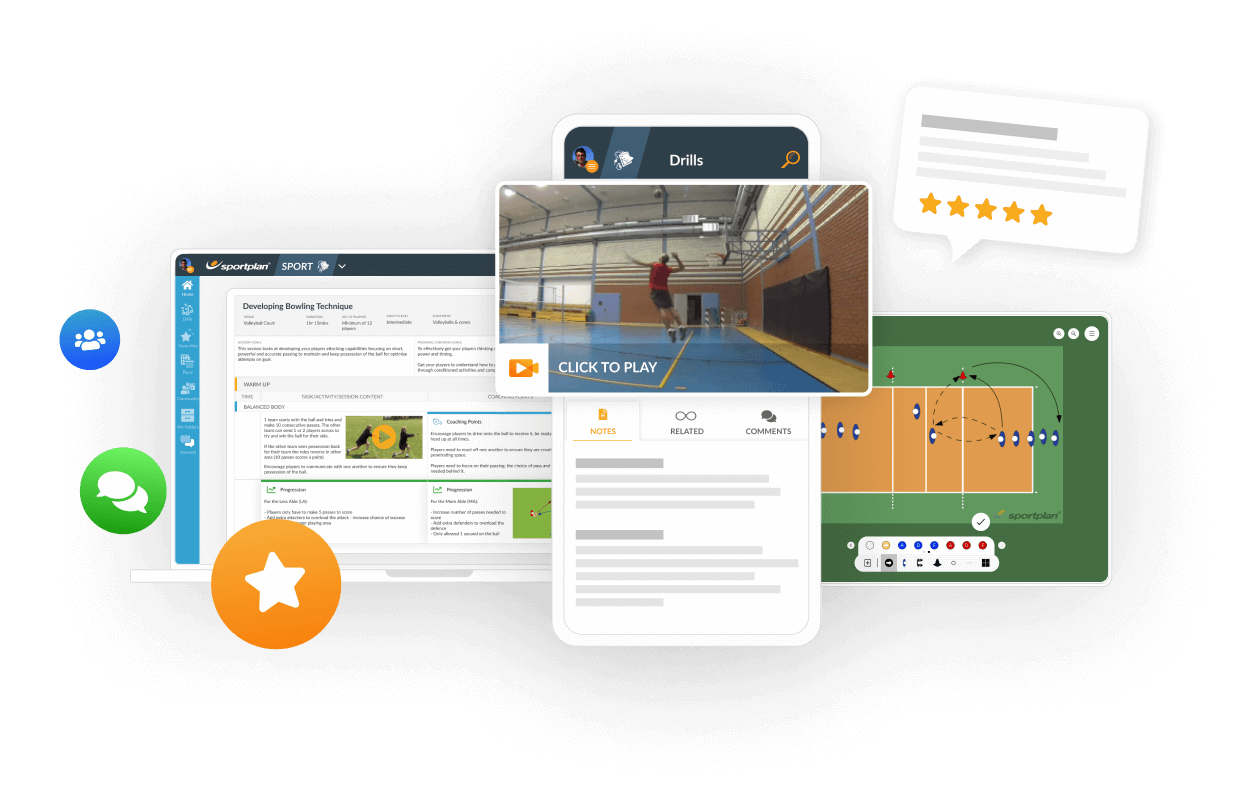
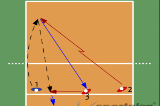
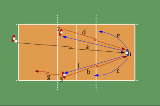
Player 1 (setter) in Zone 3 jumps to imitate a block at the net, lands and turns to face the back of the court.
Player 2 then feeds a high ball (a) to player 1. Player one will then set the ball up close to the net on the left hand side of the court (b) so player 3 (running in from zone 5) can finish with a left side attack.
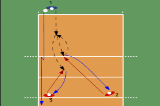
Players 1 and 2 then repeat steps 2 and 3. This time player 1 sets up the ball close to the net on the right hand side of the court (c) so player 4 (running in from zone 1) can finish with a right side attack.
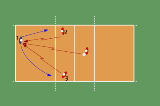
Repeat steps one and two, but this time player 2 should set the ball up (d) so player 1 can attempt a ball tipping.
It is very important to have a setter who can systematically set or score at any time so this drill flows.
To imitate a game situation ask players to pass the ball to different zones so a setter would have to approach run before setting.
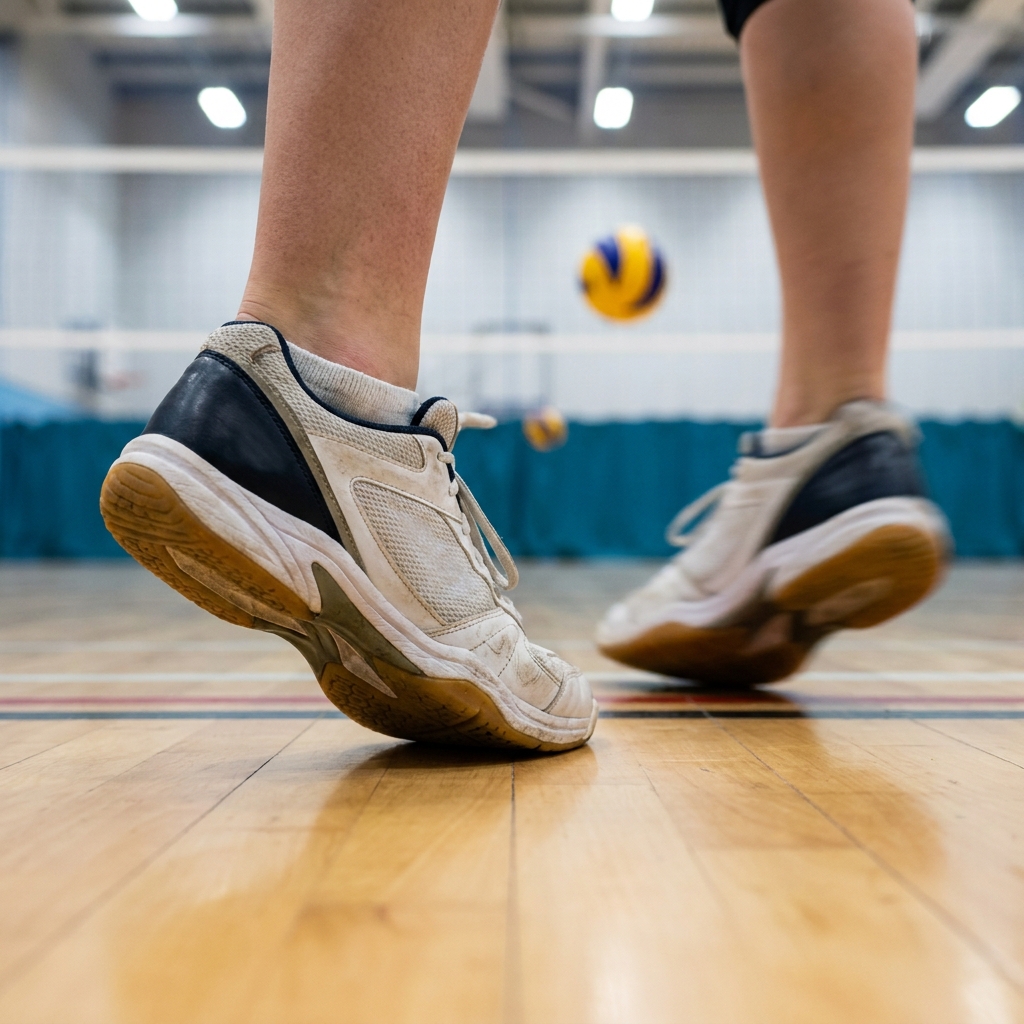
New hitters rarely miss because of their arm. They miss because of their feet. Build a reliable approach, then time it with your setter.
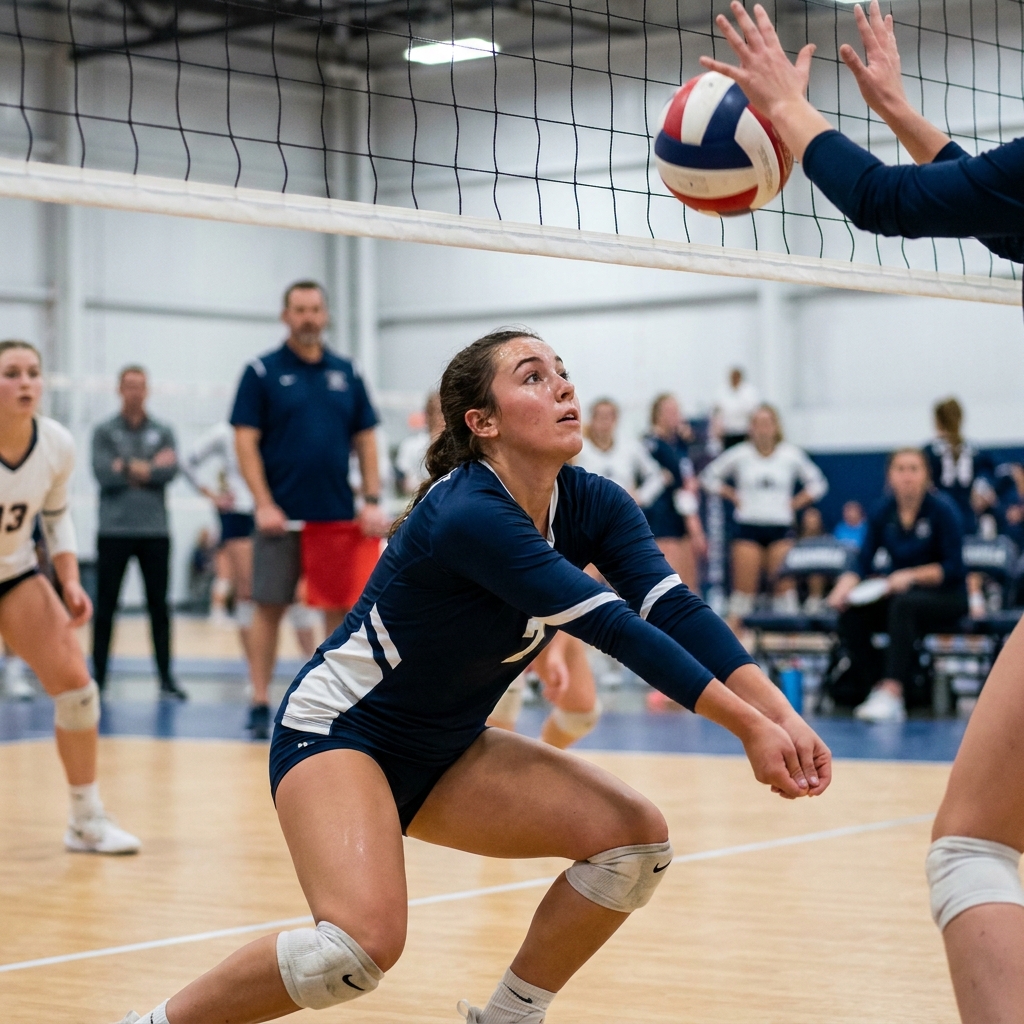
When your hitter gets stuffed, five teammates standing and watching is how you lose the point. Good attack coverage turns a blocked ball into a second swing.

Coaches spend hours correcting arms in serve receive when the real fault is almost always the feet. Fix the movement and the platform fixes itself.


Register for FREE and get coaching tips, top drills, session and more every week!