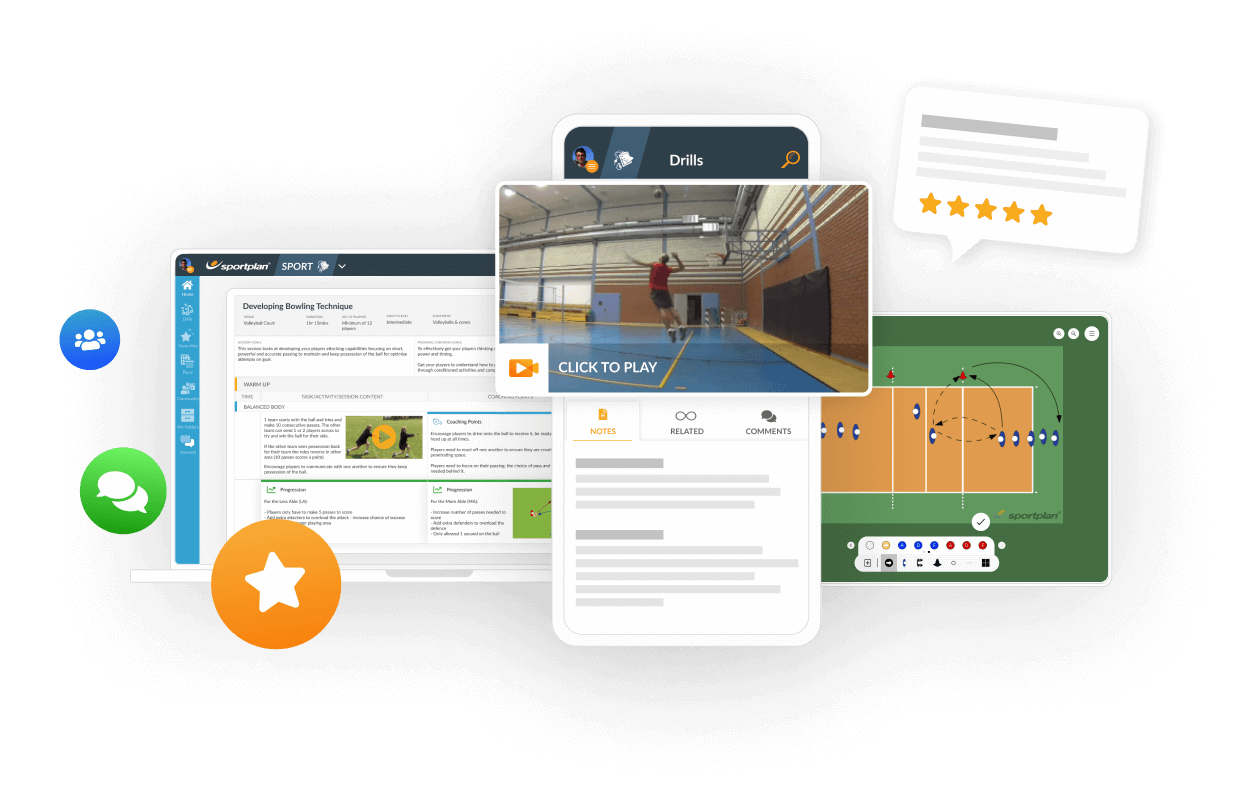
1) This drill involves a number (a minimum of three) of players standing on the baseline as if ready to serve, with a player standing close to the centre of the net of the receivers side (acting as the setter).
2) Players take turns to serve to the player opposite them on the other side of the net.
3) The player receiving the ball then digs the ball to the player by the net (the setter). That player then catches the ball and rolls it back to the server.
In this exercise part of a team works on accuracy of serve while the other improves receiving skills.
It is easier to place the ball crosscourt as its way is longer than down-the-line (this is in case the player hits the ball too powerfully).
Receiving players also have more time to react to the ball when awaiting a crosscourt serve than facing him/her down the line.
Ask the player to take more powerful serves and to change direction of the ball.
The back row attack adds a powerful offensive dimension that stretches the opposing block and creates scoring opportunities from unexpected positions. This guide covers the rules, approach footwork, setter-hitter timing, and progressive training methods for introducing back row attacks to developing teams.
Choosing between a float serve and a jump serve is one of the most important tactical decisions in volleyball. This article examines the mechanics, strengths, and limitations of each serve type, and provides a framework for coaches to help players make the right serving decision in every match situation.
The libero position has never been more important. Here's how to develop elite defensive specialists who transform your team's back-court play.