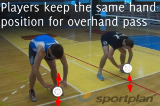
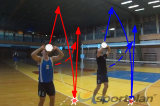
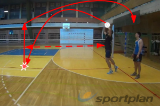
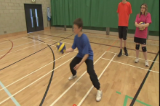
Each player has a ball. The player starts with the ball above their shoulders in front of their face in the overhand passing position.
The task is to throw the ball up with both hands from the forehead position, just like they would during passing and catching it back in a game.
When the coach sees that the player's technique is good, introduce higher and higher throws to activate legs and arm muscles more.
Players should understand the pass must be executed above the level of their eyes so they can watch where to set.
The progression may be achieved by adding a spin between throw and catch phases.
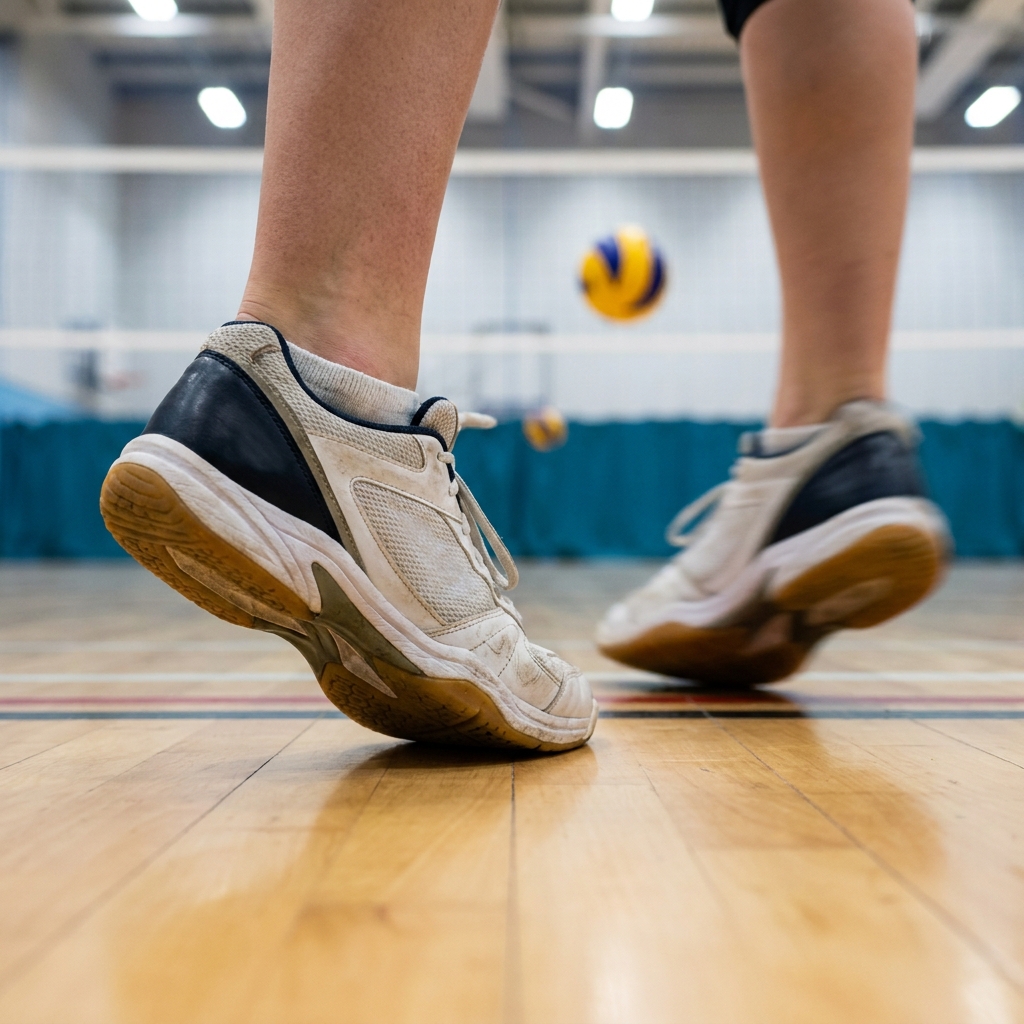
New hitters rarely miss because of their arm. They miss because of their feet. Build a reliable approach, then time it with your setter.
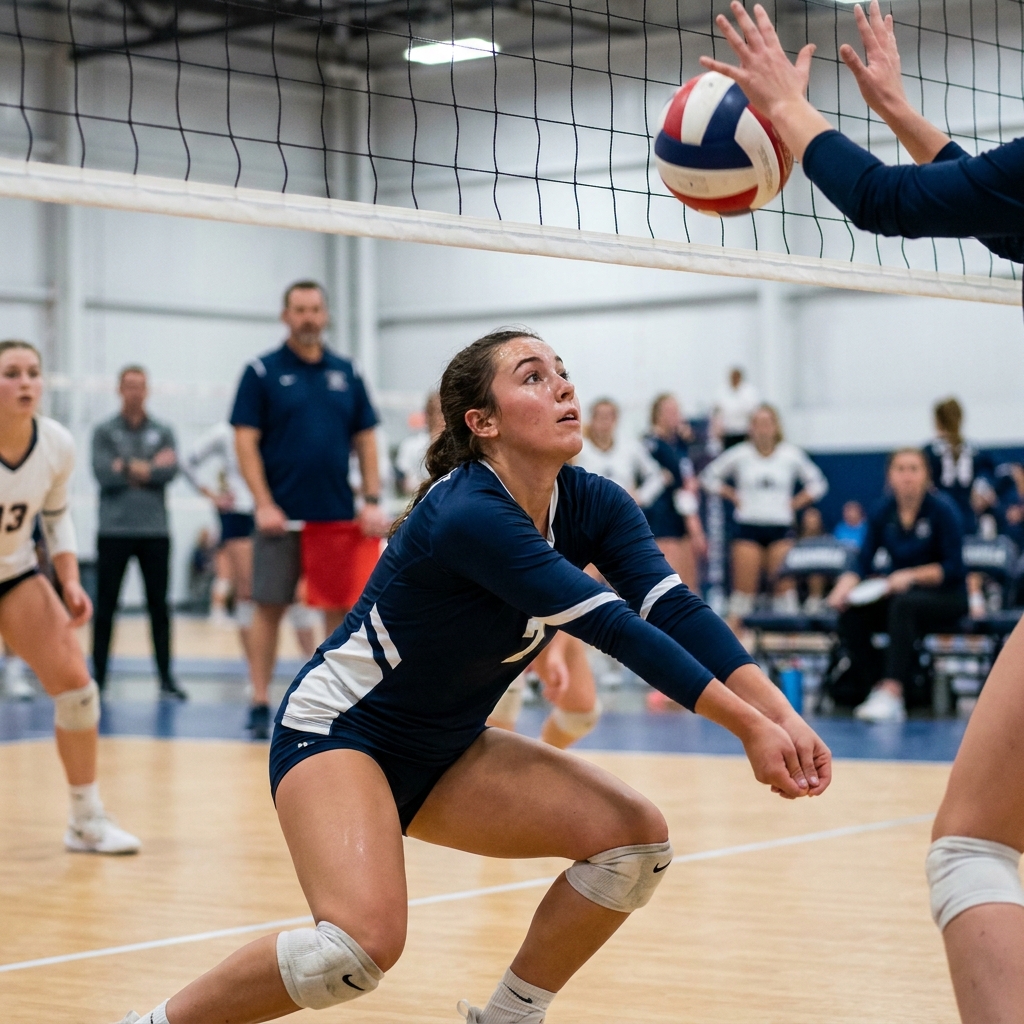
When your hitter gets stuffed, five teammates standing and watching is how you lose the point. Good attack coverage turns a blocked ball into a second swing.
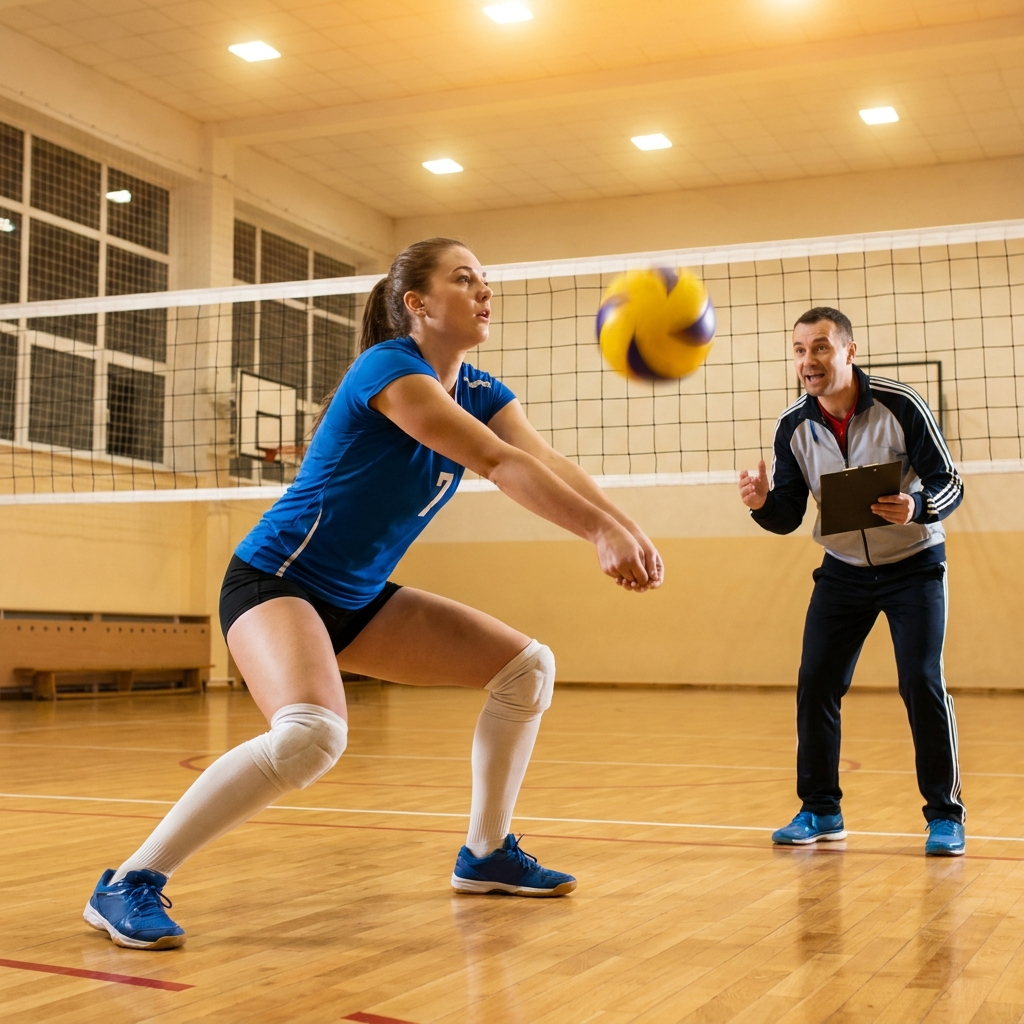
Coaches spend hours correcting arms in serve receive when the real fault is almost always the feet. Fix the movement and the platform fixes itself.


Register for FREE and get coaching tips, top drills, session and more every week!