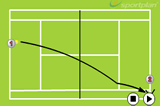
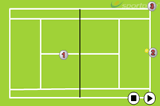
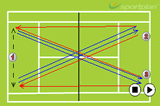
Player 1 is working in a full court and player 2 is 'feeding' from the centre of the court along the baseline. The players rally co-operatively for 3 minutes but with player 2 working the ball around the full-court making player 1 move a reasonable amount without a pattern.
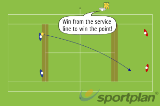
Player 1 is aiming for the rectangle at the back of the court marked by targets and player 2 should count how many balls player 1 makes into the rectangle within the 3 minutes. When the time is up the players switch roles.
This drill can be repeated 3 times for each player and then the totals added up to see who was the most accurate!
The quality of the feeding is important here from player 2. Just because they are not the 'working player' they must still maintain the same level of intensity as player 1, and take care to be as consistent as possible.
Notes:
The target size can be adjusted according to the standard of the players and the accuracy possible.
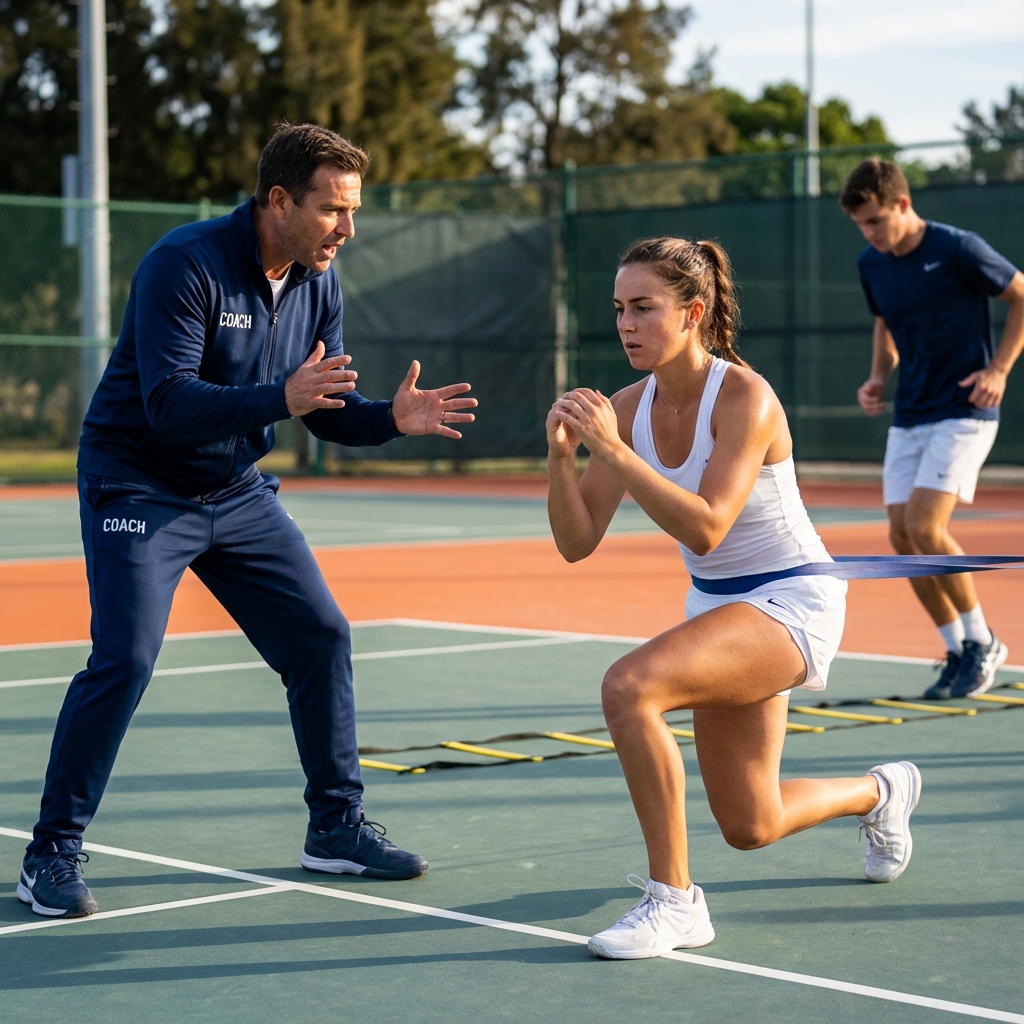
Tennis demands a unique combination of endurance, power, agility, and flexibility. Physical preparation determines how long careers last and how players perform when it matters most.
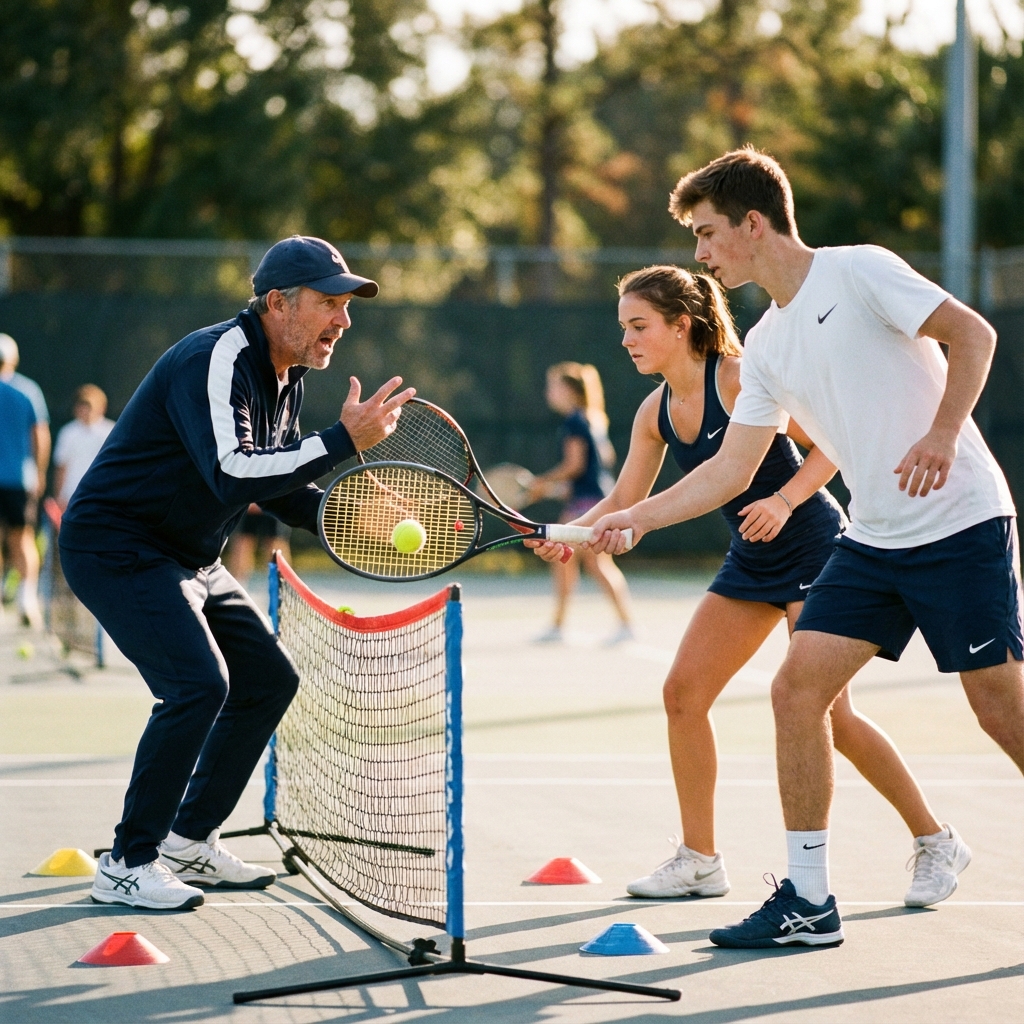
Ecological dynamics is transforming tennis coaching. This constraints-led approach develops adaptable, creative players who can solve problems in competition, not just execute drilled patterns.
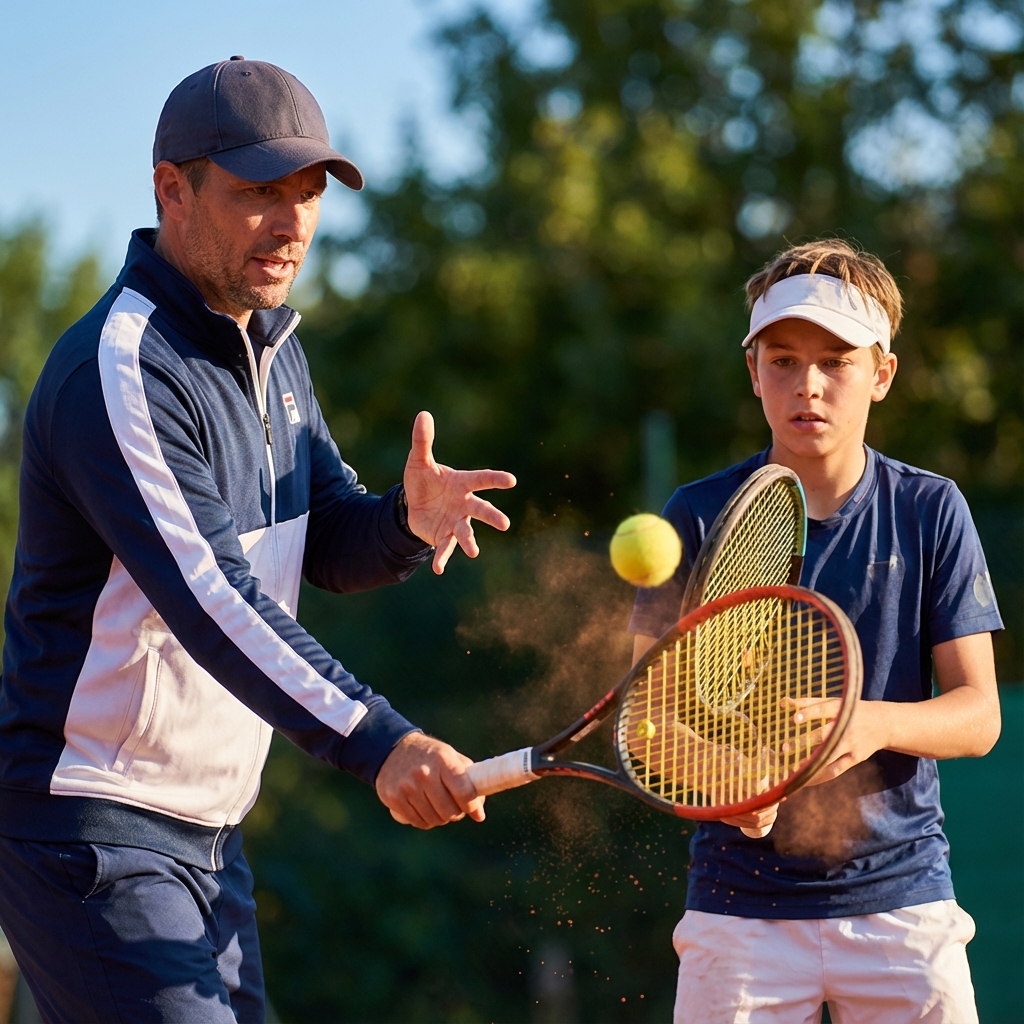
The one-handed backhand is becoming rare, but when executed well, it remains one of tennis's most elegant and effective shots. Is it a dying art or a tactical advantage?


Register for FREE and get coaching tips, top drills, session and more every week!