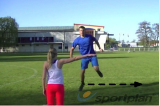
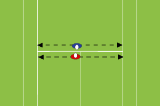
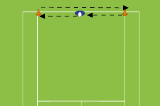
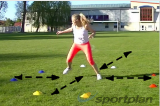
Cones are set inside the service boxes. The player starts from the middle, sprints to the right cone and imitates forehand volley. As fast as possible, the player recovers back and moves to the other side.
In this exercise, the player works on speed, agility, and footwork in net game situation. Playing at the net requires fast reaction with racquet as well with legs so players have to be aware of these facts and spend enough time to improve these factors. Shadowing is a great method to keep exercise real and work on specific areas. The coach should pay attention to the first two steps while going to the volleys, as well as the first recovery step because these steps decide about net game's effectiveness.
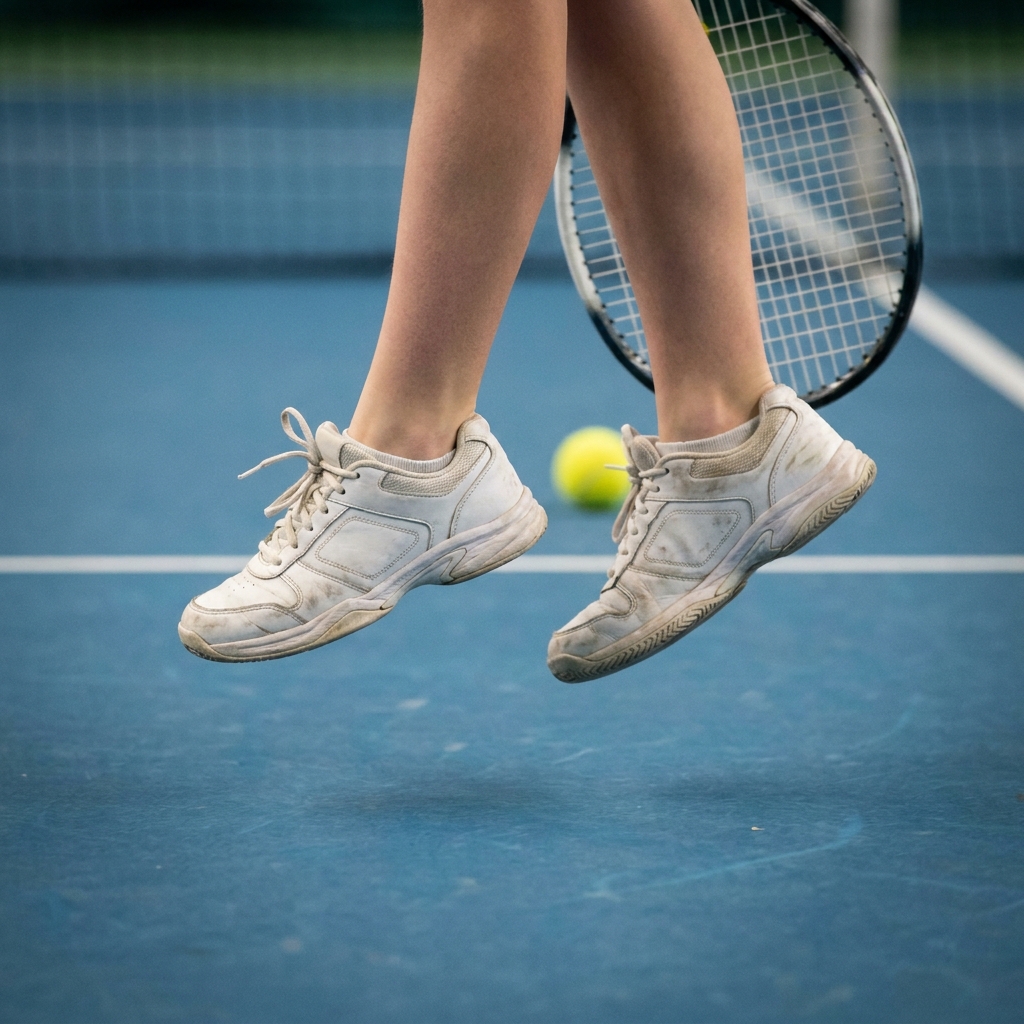
Indoor courts give players less time and less room. Help them sharpen their split step, shorten their swing and stay calm, and winter becomes a season of real progress.
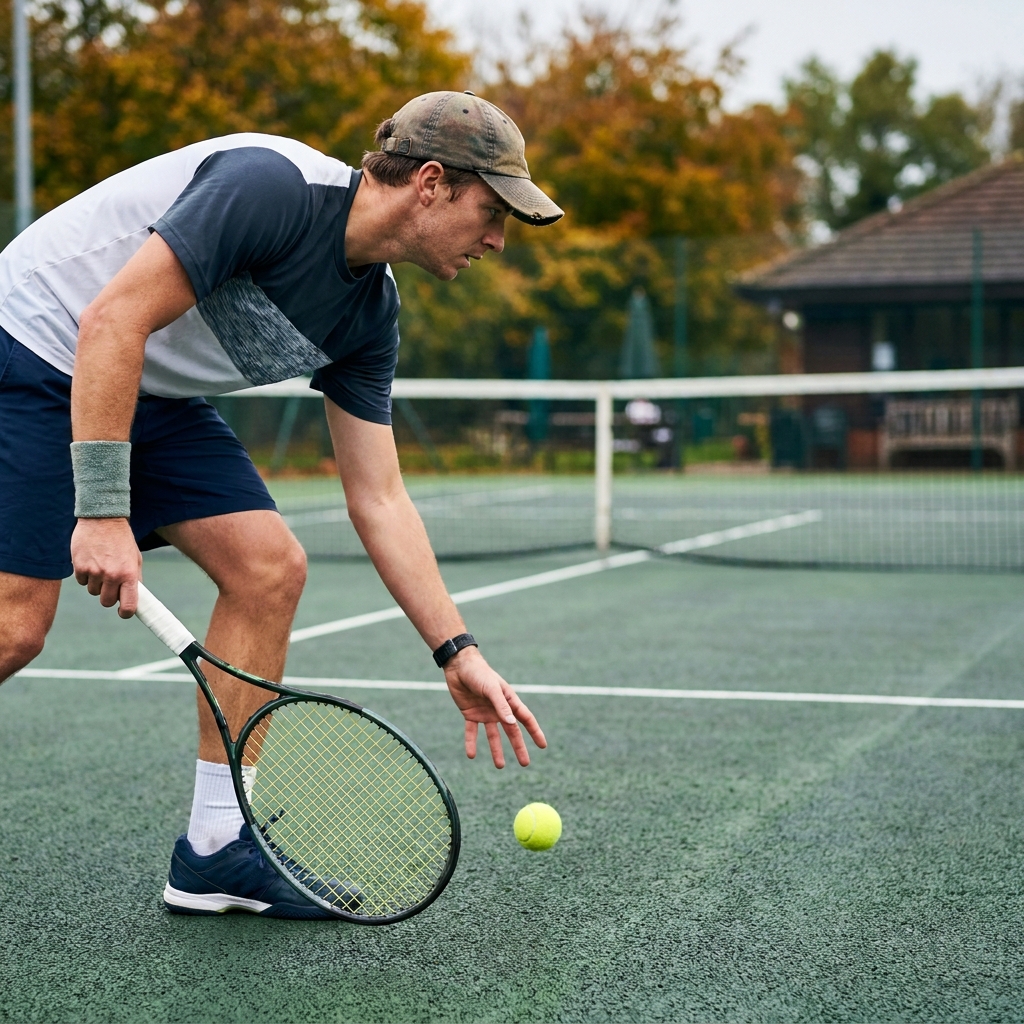
A tiebreak is a short sprint where every point is worth the same as a break of serve. The players who win them are rarely the ones who hit hardest. Here is how to coach the patterns, habits and scoreboard thinking that win the big points.
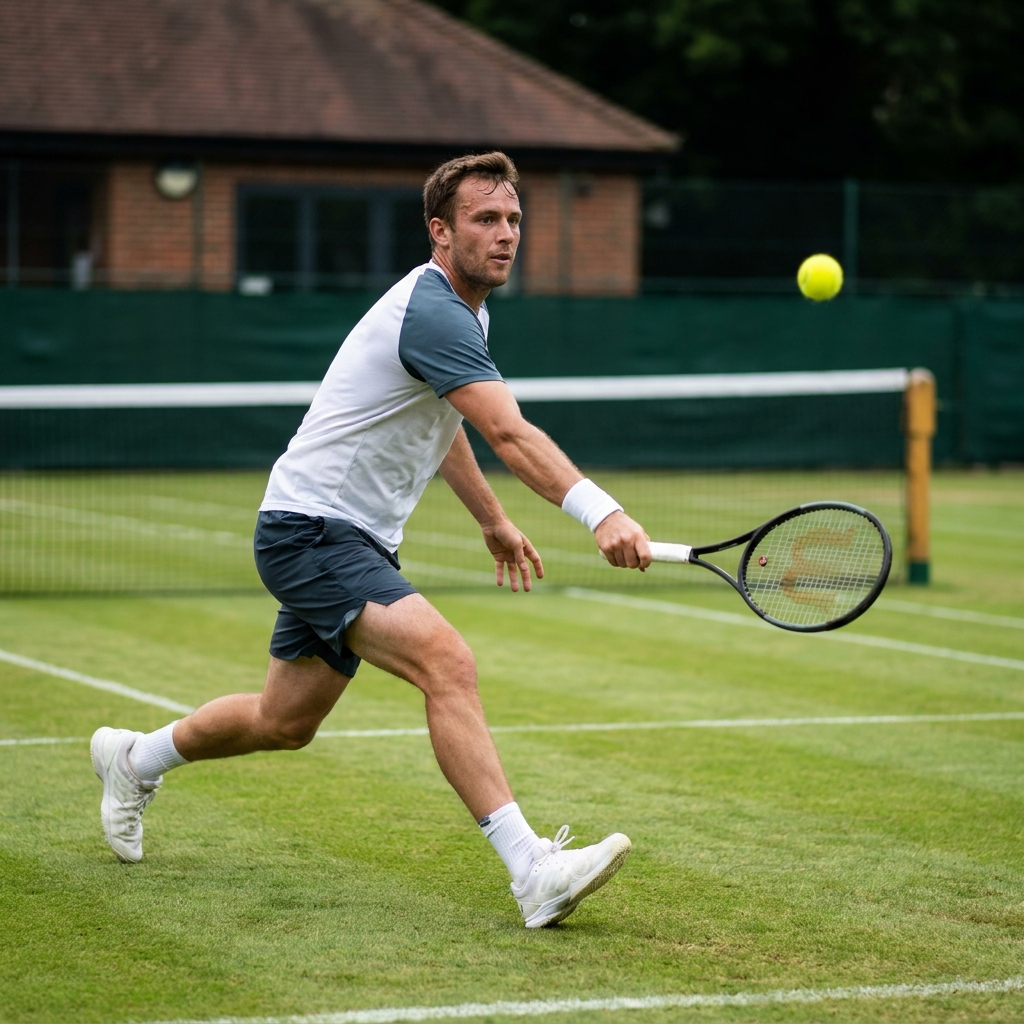
Most club players practise the serve on its own and then have no idea what to do with the ball that comes back. Serve plus one is the pattern that turns a good serve into a won point.


Register for FREE and get coaching tips, top drills, session and more every week!