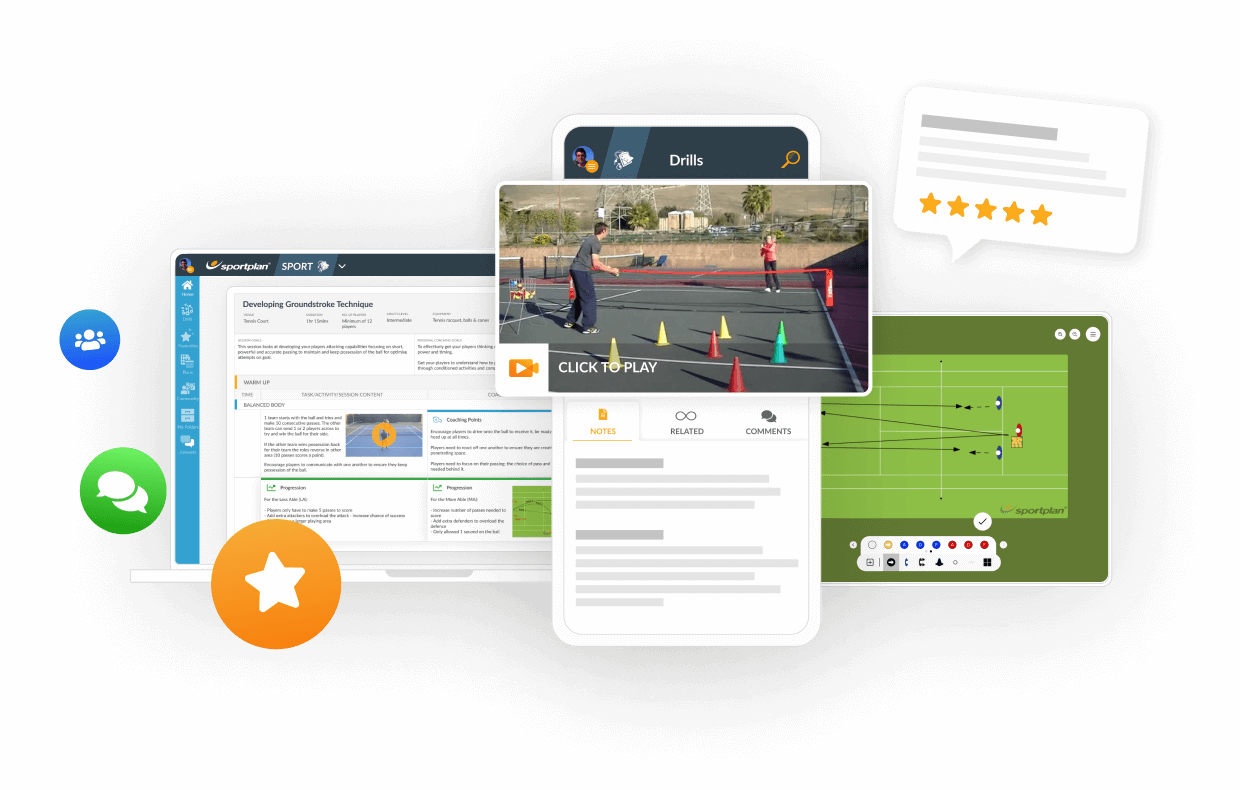
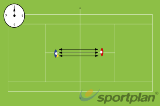
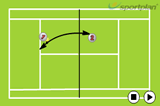
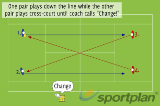
The coach feeds 20 balls from the basket alternating between an overhead and a put-away volley.
The players aim the overheads at the deeper targets and the volleys at the shorter targets, hitting cross-court and closing the net down as they do so.
The coach can feed forehand volley then backhand volley alternately after the smash but they should also vary this and change the pattern - so maybe they will get another forehand volley instead of the backhand that they were expecting.
Once the player has completed the 20 ball set they go around the far end of the court to pick the balls up, and the next player has their turn.
Up to 5 sets of 20 can be repeated in this way.
Even though the player knows there will be a smash after the volley they must still close the net down with the volley and finish the shot before they move back to hit the overhead.
Once the overhead has been completed they must be sharp, moving forward out of it to make the volley as easy as possible.
This drill is quite physically demanding so players will need to rest whilst the other players are completing their sets.
The drill can be made competitive by counting the number of targets or by counting the errors the players make.
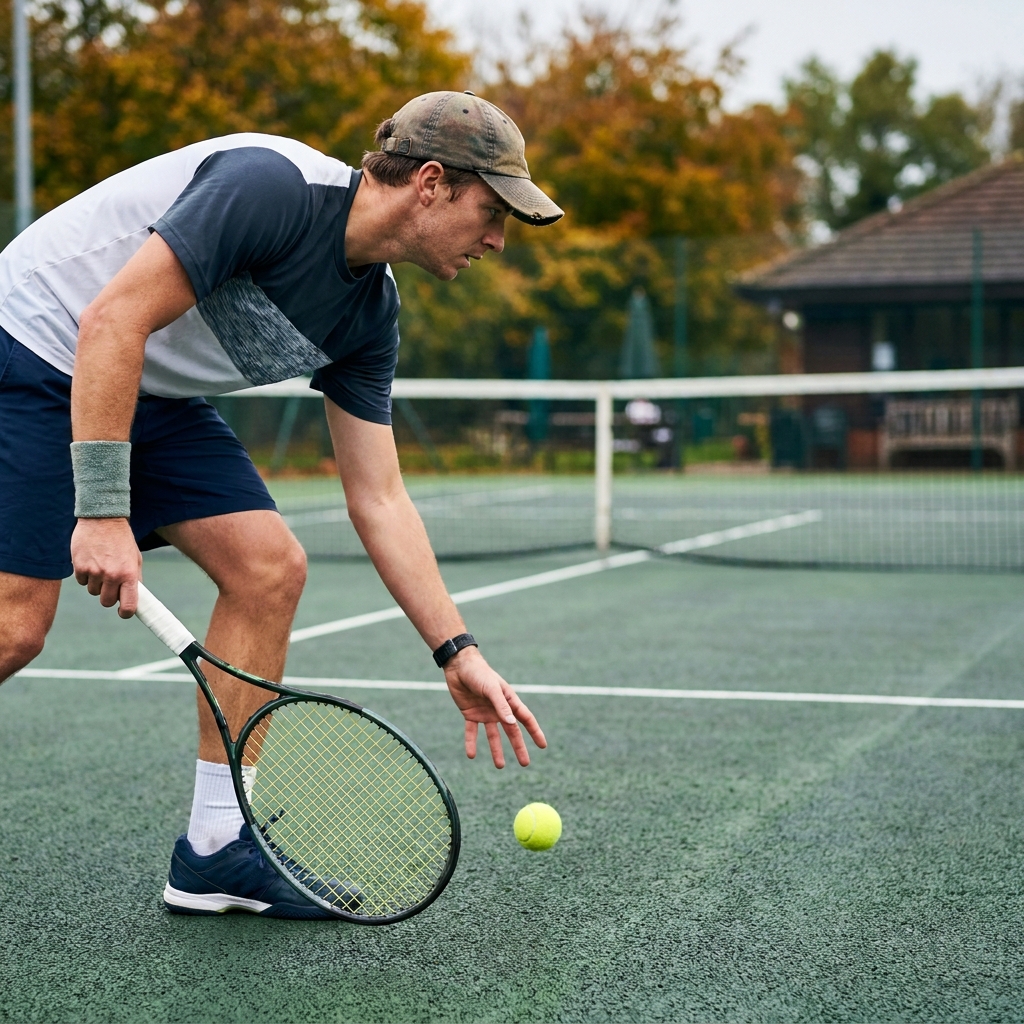
A tiebreak is a short sprint where every point is worth the same as a break of serve. The players who win them are rarely the ones who hit hardest. Here is how to coach the patterns, habits and scoreboard thinking that win the big points.
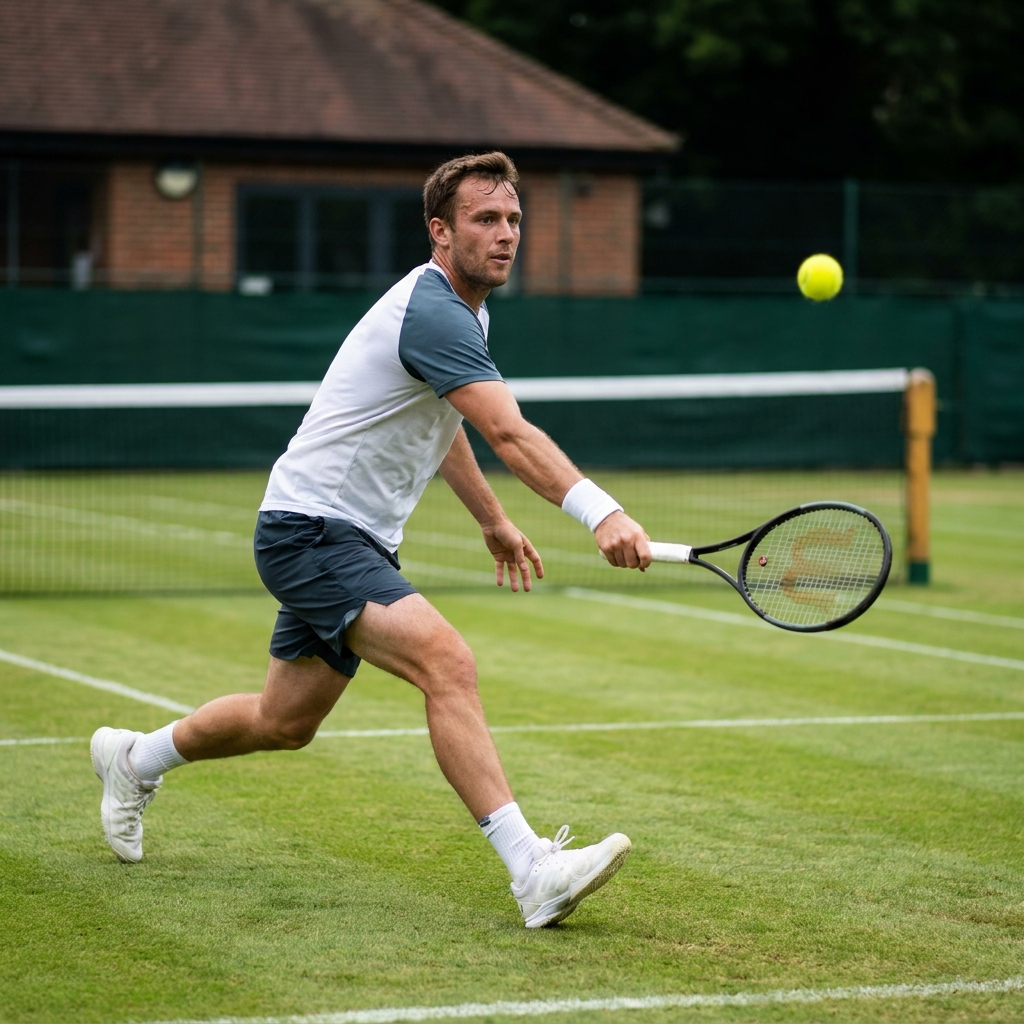
Most club players practise the serve on its own and then have no idea what to do with the ball that comes back. Serve plus one is the pattern that turns a good serve into a won point.
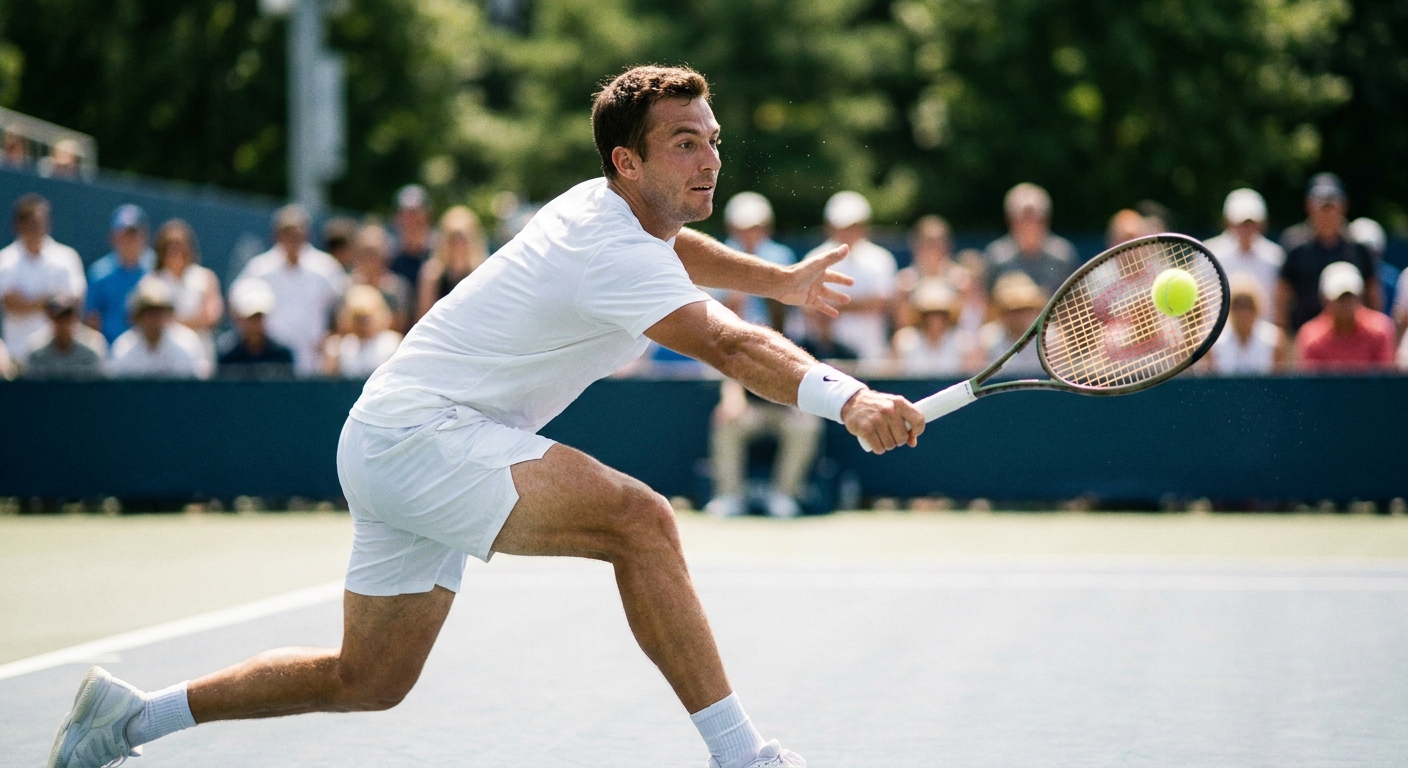
Wimbledon has just crowned another champion, and if you watched closely you saw the same thing every year: the best returners quietly won the tournament. Here is how to coach a return that pressures the server rather than just surviving it.


Register for FREE and get coaching tips, top drills, session and more every week!