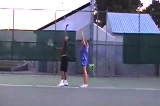
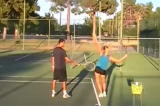
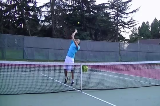
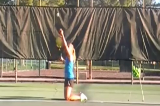
Player learns how to toss the ball into the proper spot. Coach stands on the right of the player (slice serve) or on the left of the player (kick serve). Player tries to toss the ball into the coach's hand.
Players have to be able to vary the toss according to the serve they want to execute. Slice, kick serve and flat serves require slightly different tosses to make chances bigger for effective results.
For the slice serve, players have to learn how to toss the ball slightly to the right side to have possibility to hit outside of the ball and create sidespin. It will also force players to go more across the body with the racquet what will result in better angles.
Coach's position is an easy point of reference for the player to know where the ball should be placed. Bad toss can be responsible for many serving mistakes so players should spend some time on working on this aspect.
For more advanced players, coach can let players serve with awareness of the toss. Every time the toss is misplaced, players have to catch the ball and they can't serve. This will show to coach if players are able to notice good and bad tosses.
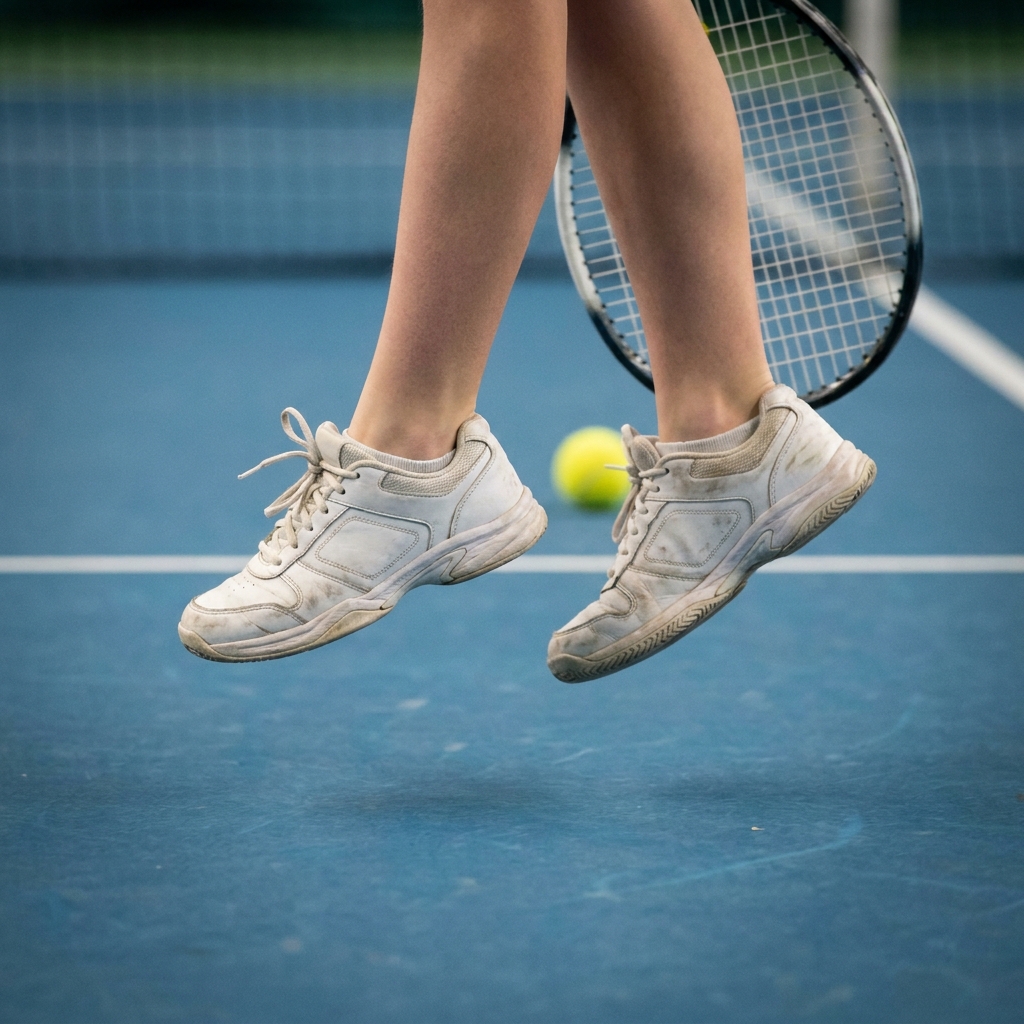
Indoor courts give players less time and less room. Help them sharpen their split step, shorten their swing and stay calm, and winter becomes a season of real progress.
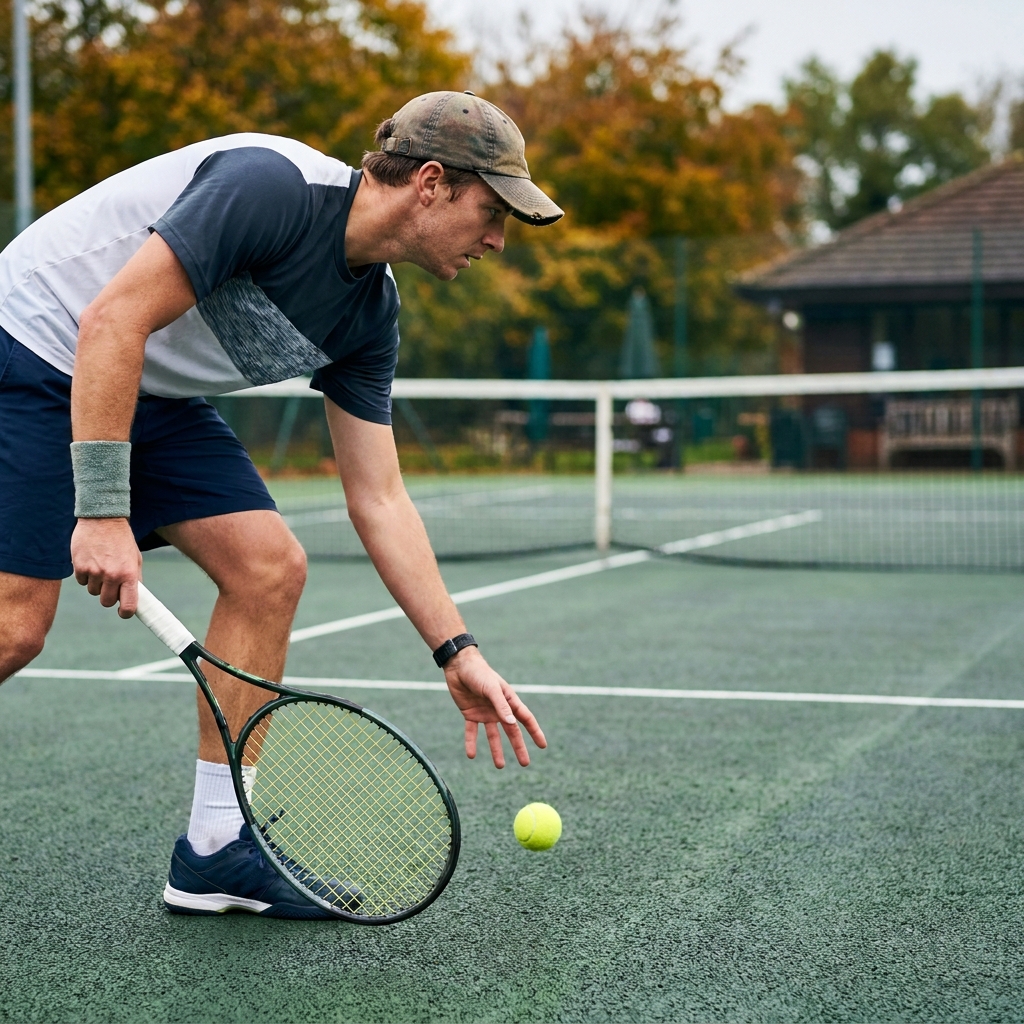
A tiebreak is a short sprint where every point is worth the same as a break of serve. The players who win them are rarely the ones who hit hardest. Here is how to coach the patterns, habits and scoreboard thinking that win the big points.
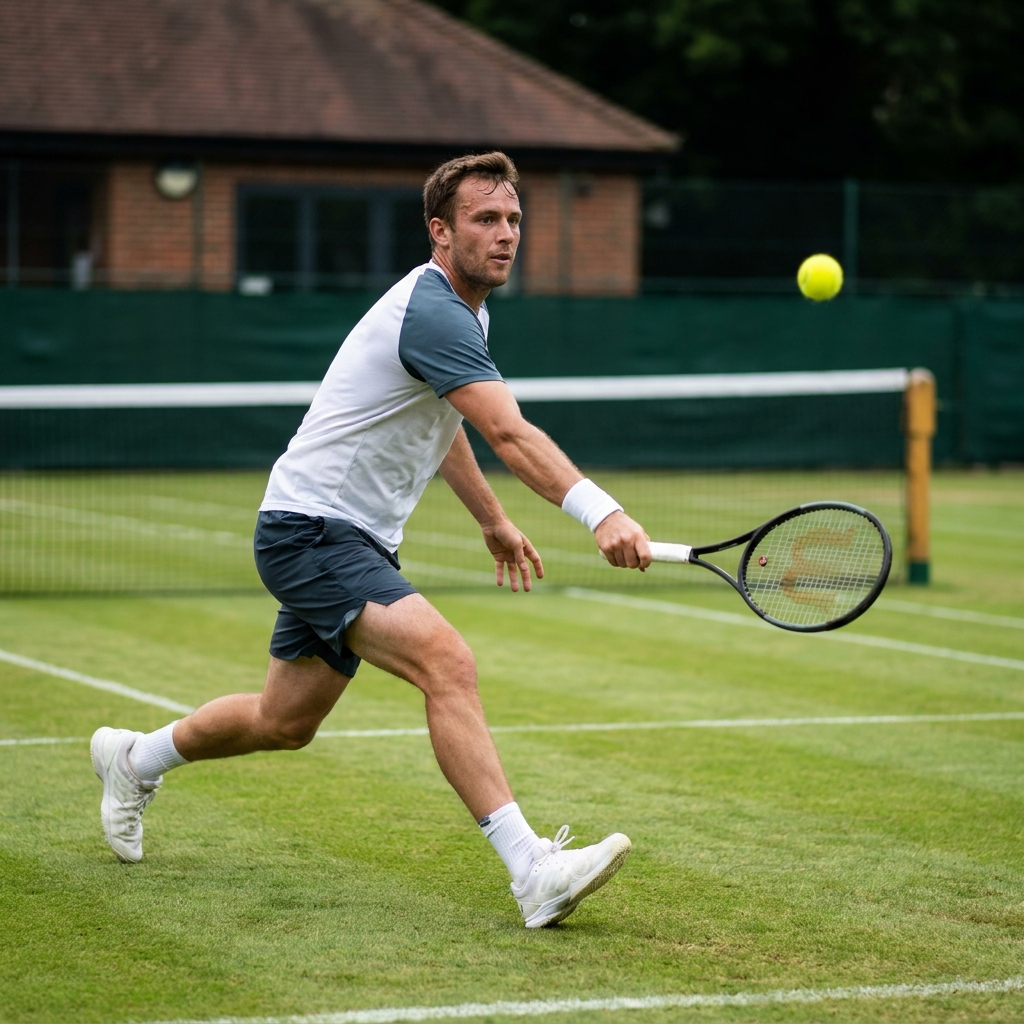
Most club players practise the serve on its own and then have no idea what to do with the ball that comes back. Serve plus one is the pattern that turns a good serve into a won point.


Register for FREE and get coaching tips, top drills, session and more every week!