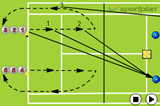
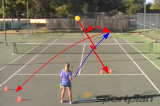
Player A executes serve into the body. Player B hits the return. Player A finishes the point with a volley.
Drill specifications:
1 repetition per set
To make this drill really dynamic players should switch after one point at the serving side. Returning players can switch after few points to guarantee good consistency and more opportunities for the servers to work on the pattern. Waiting players should perform sprints next to the court to improve the speed that is really helpful while running to the net after the serve.
Serve and volley is an effective tactical pattern that all players should feel comfortable while executing. Feliciano Lopez and Roger Federer are great examples of players who use this combination to surprise the opponent, shorten the point and win the rally. Too many juniors believe that modern tennis is a groundstroke game so they forget to work on offensive game including volleys after the serve. Adding this aspect to the player’s game can make a big difference because player will have more options to pick during own serving gems.
In this drill players work on offensive tactical pattern based on serve and volley. Hitting the serve into the body is a real test for the opponent so only real athletes will be able to effectively answer the ball. Most of the returners will be harmed with this kind of shot so players have to follow to the net to punish the next easy ball. Coach should explain to players to run as fast as possible to achieve the best possible position at the net. If players are behind the baseline they will be vulnerable while playing against good opponents. Only position inside the baseline can guarantee offensive execution on the next shot. Coach should give freedom according to the direction and power of the volley to see player’s decisions but players have to be encouraged to play a lot of balls on the run to hit the ball as close to the net as possible. Stopping too early and hitting statically will give much more time for the opponent to recover so it can negatively affect the final result of the action.
A tiebreak is a short sprint where every point is worth the same as a break of serve. The players who win them are rarely the ones who hit hardest. Here is how to coach the patterns, habits and scoreboard thinking that win the big points.
Most club players practise the serve on its own and then have no idea what to do with the ball that comes back. Serve plus one is the pattern that turns a good serve into a won point.
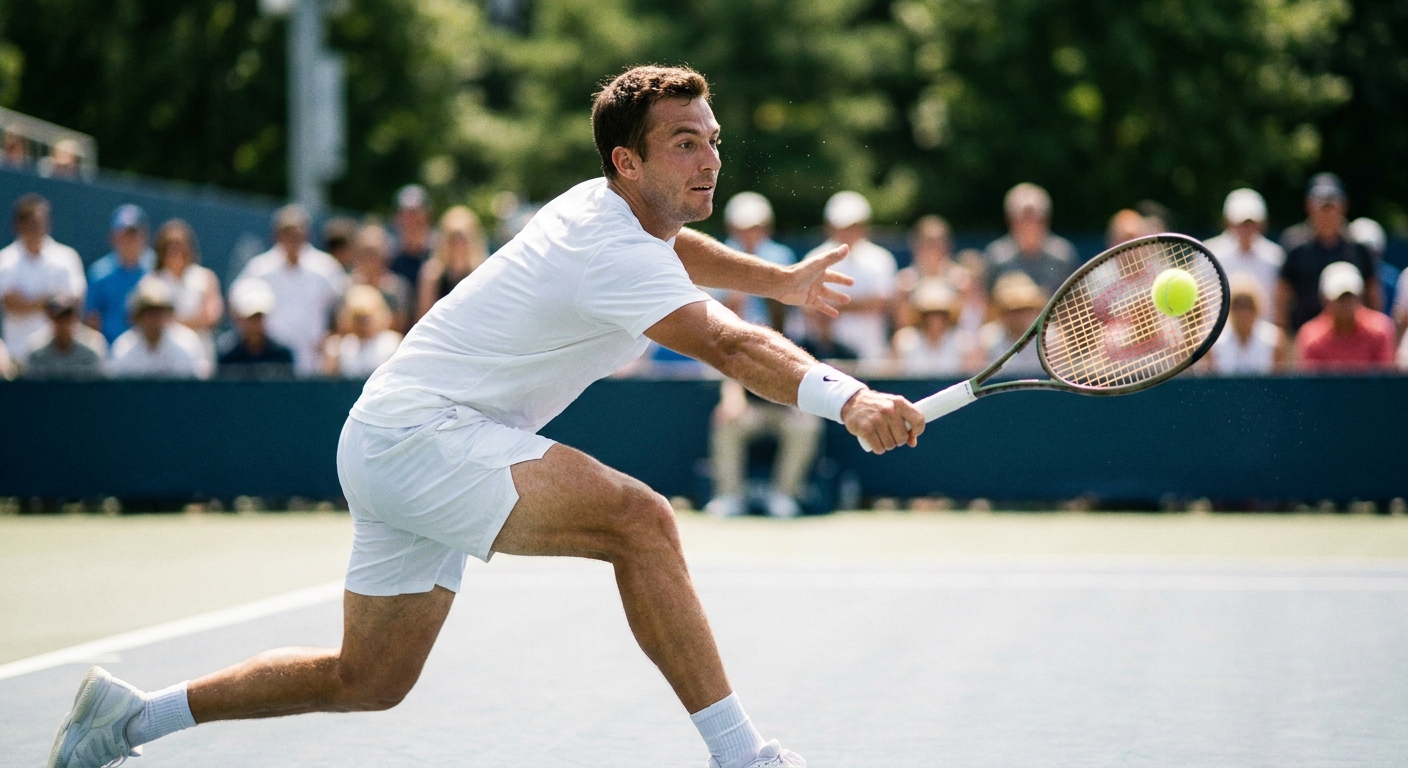
Wimbledon has just crowned another champion, and if you watched closely you saw the same thing every year: the best returners quietly won the tournament. Here is how to coach a return that pressures the server rather than just surviving it.


Register for FREE and get coaching tips, top drills, session and more every week!