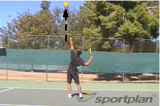
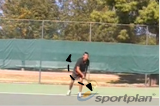
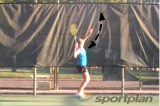
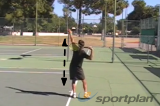
The player stands next to the net and imitates serving action. Player's goal is to touch the net with the hips while being in the trophy position.
Watching top players in the world, it is clearly visible that serves are technically sound. Players spend many hours on the practice courts to make sure that serve won't disappoint them during the match. For every player it should be a priority to develop great serve because it is the only stroke in tennis that we have full control over.
In this exercise, the player tries to add hips into the shot. Pushing hips forward is an important part of serving technique to pre-stretch the muscles and generate additional power for this stroke. The player doesn't need a coach to make this change because he/she knows exactly when the job is done (if he/she touches the net, it means it is done correctly).
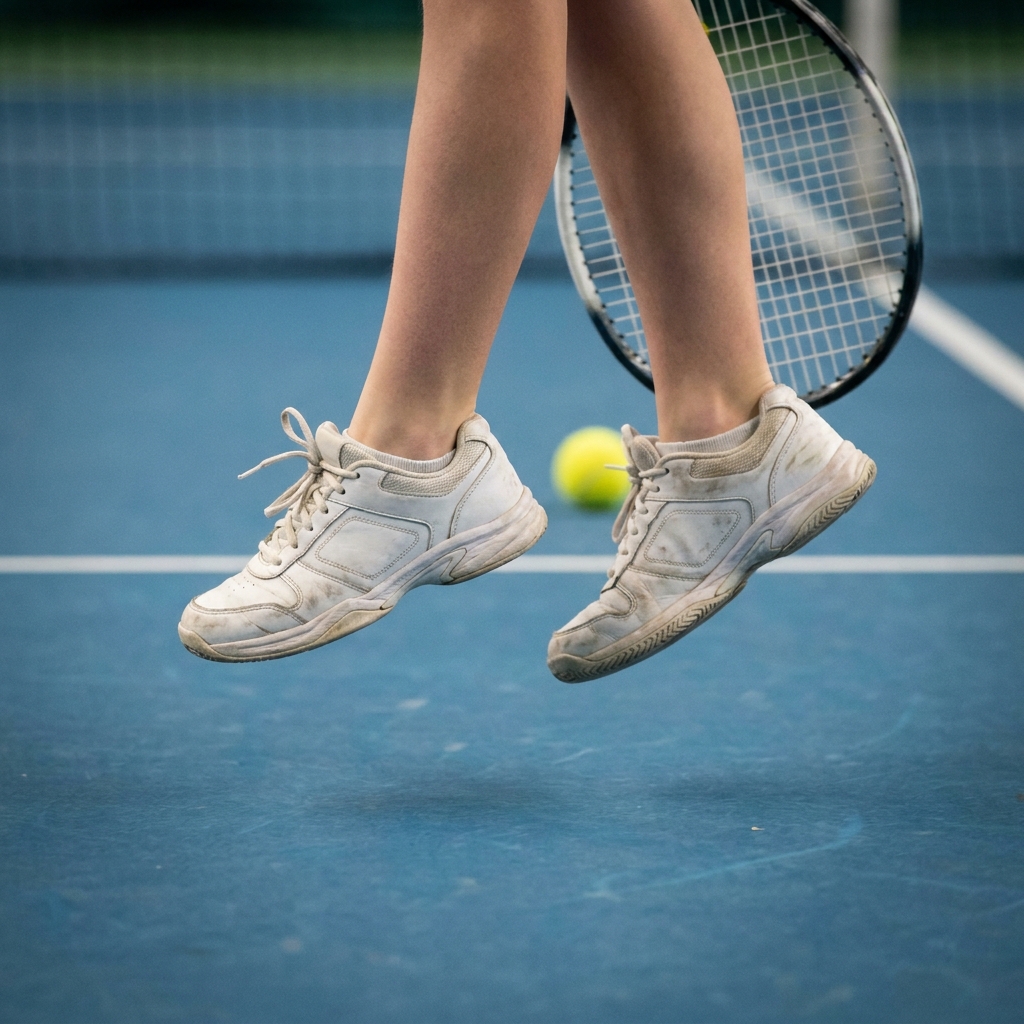
Indoor courts give players less time and less room. Help them sharpen their split step, shorten their swing and stay calm, and winter becomes a season of real progress.
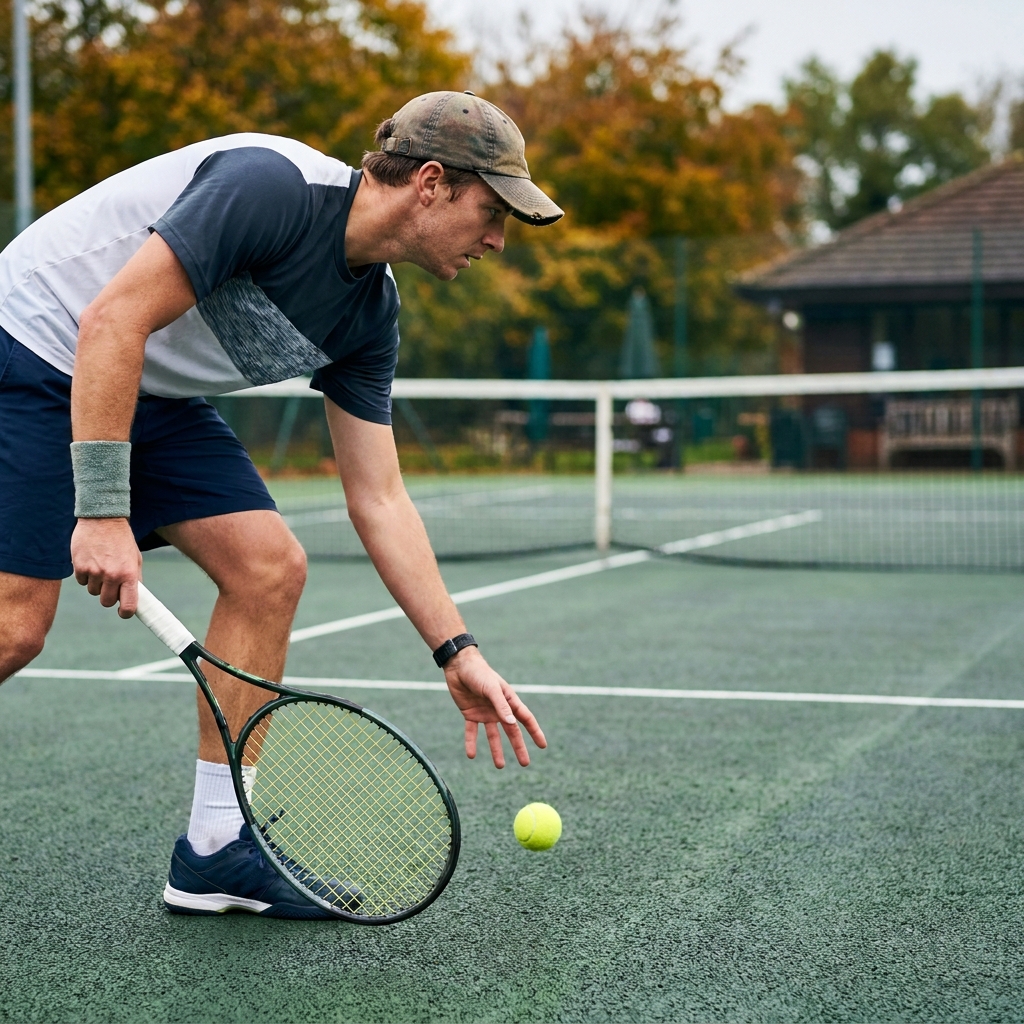
A tiebreak is a short sprint where every point is worth the same as a break of serve. The players who win them are rarely the ones who hit hardest. Here is how to coach the patterns, habits and scoreboard thinking that win the big points.
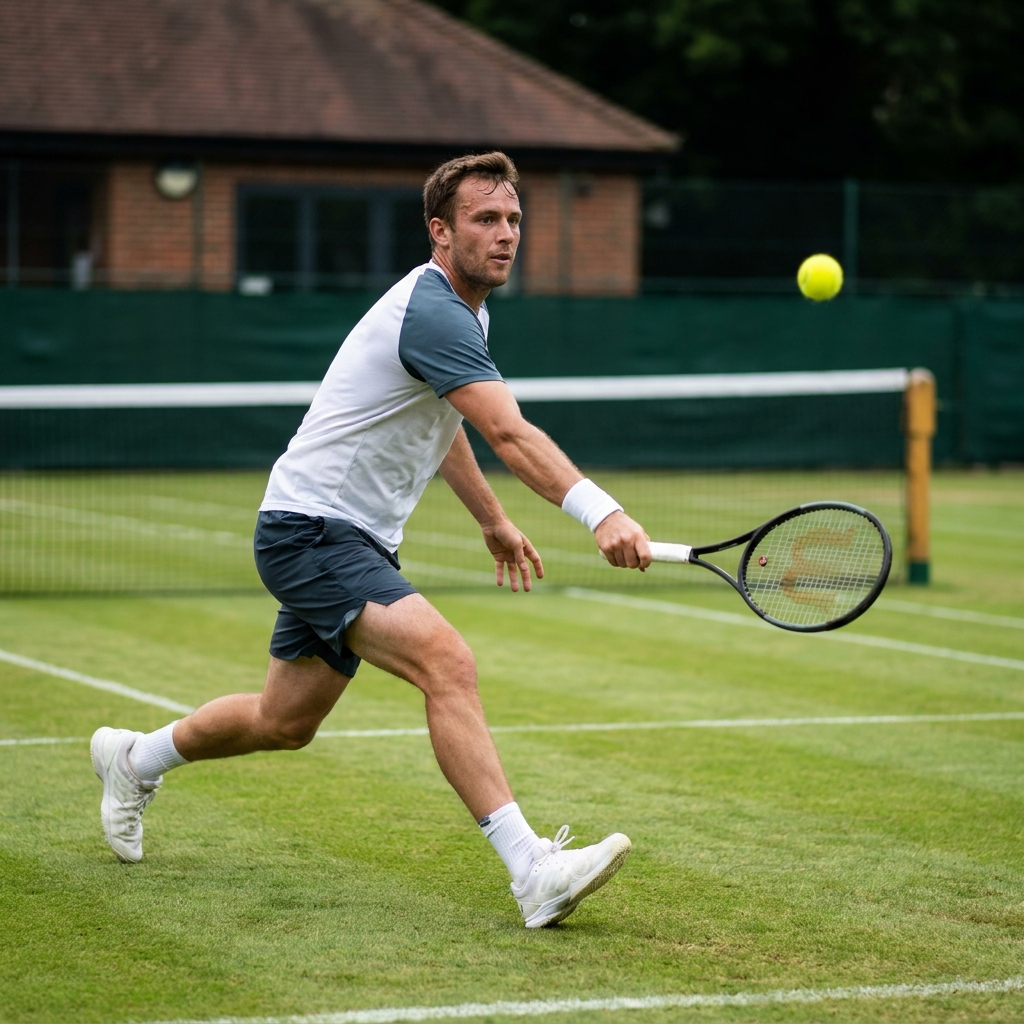
Most club players practise the serve on its own and then have no idea what to do with the ball that comes back. Serve plus one is the pattern that turns a good serve into a won point.


Register for FREE and get coaching tips, top drills, session and more every week!