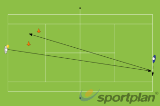
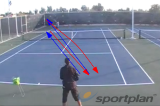
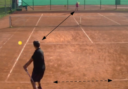
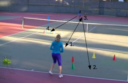
The coach feeds shorter ball to the deuce side. The player moves forward, hits forehand approach shot down the line and comes to the net. The coach hits the ball back to the deuce side and then the player finishes with deep forehand volley cross-court.
Coming to the net is an important skill that all players should develop. Most of the shots are played around the baseline but during each point there are opportunities to move forward and try to finish at the net so players shouldn't be limited just to one strategy. Having more weapons in own arsenal allow players to play effectively against different opponents or when the primary strategy is not working.
In this drill, the player works on skills that are necessary to win at the net. The first step to effectively come to the net is approach shot. Players have to be aware that down the line shot allows them to cover the net successfully so that is why this direction should be a priority. After a good approach, a quick run to the net is a priority because a lack of effort can result in an easy passing shot for the opponent. The last shot is a simple strategy to move the opponent and put enormous pressure on possible passing shot. To make this drill more competitive, the coach can give points for hitting the zone with volley or can play more aggressively while responding to approach shot.
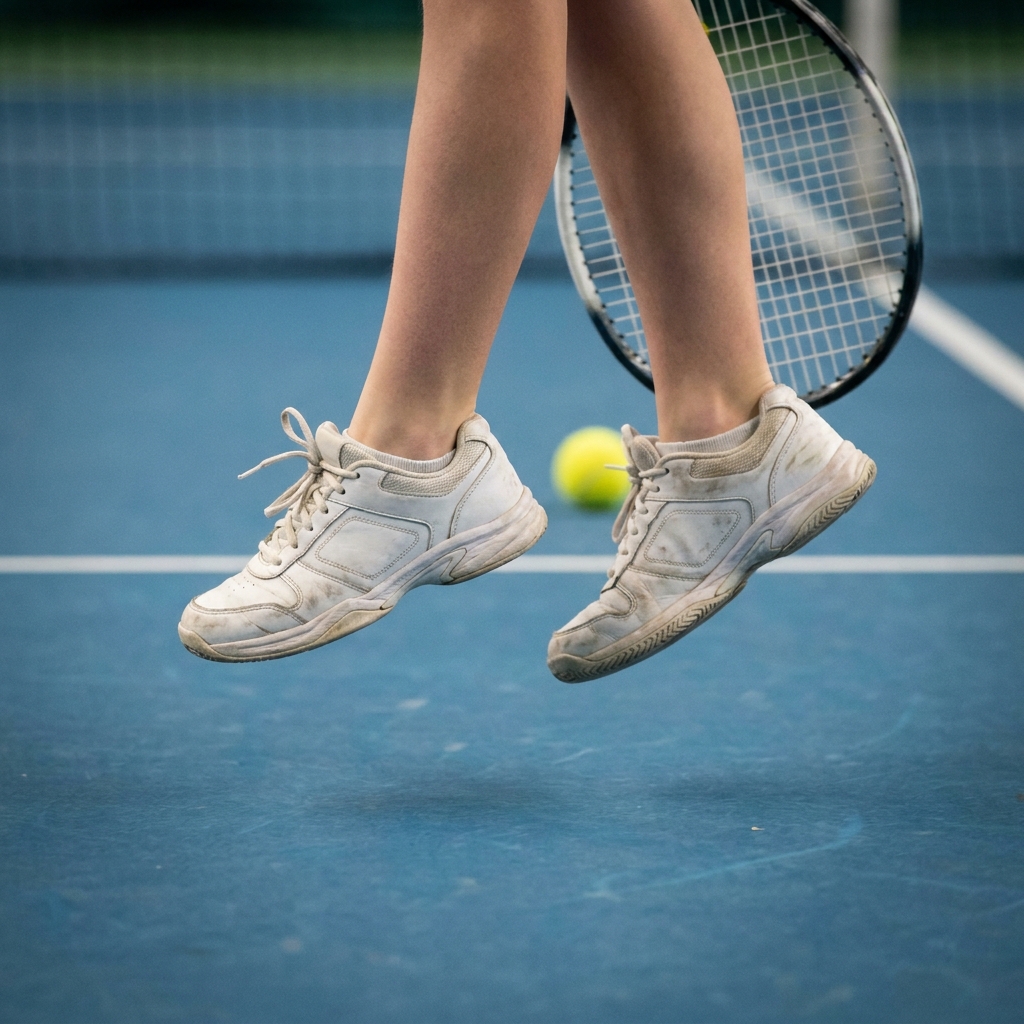
Indoor courts give players less time and less room. Help them sharpen their split step, shorten their swing and stay calm, and winter becomes a season of real progress.

A tiebreak is a short sprint where every point is worth the same as a break of serve. The players who win them are rarely the ones who hit hardest. Here is how to coach the patterns, habits and scoreboard thinking that win the big points.

Most club players practise the serve on its own and then have no idea what to do with the ball that comes back. Serve plus one is the pattern that turns a good serve into a won point.


Register for FREE and get coaching tips, top drills, session and more every week!