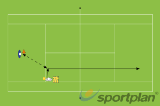
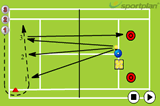
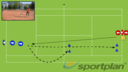
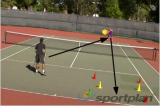
Coach feeds an easy ball to attack. Player runs and hits aggressive angle shot.
Drill specifications:
1-5 repetitions per set
This drill suits individual lessons as also can be successfully used with more players on the court. When coach is working only with 1-2 students more repetitions can be used to allow players correct own mistakes by looking at the previous shots. Group lessons will be more effective with players switching after one shot because it guarantees good pace of the drill as also all the players will be learning from others all the time.
Angle shots are not reserved only for balls that are close to the sideline. Easy put-aways can also be executed with a tactical goal in mind so players have to learn how to incorporate this scenario into their game. Offensive angle shot is a great weapon to punish defenders who tend to move far behind the baseline. Rafael Nadal from the forehand side and Novak Djokovic from the backhand side are examples of professionals who successfuly execute offensive angles while playing in the most prestigious tournaments.
In this drill players work on offensive angle shot. Short and high balls are most often hit with the powerful groundstrokes that are aimed around the baseline to put the opponent far behind. Unfortunately this option is not the best way to beat good defenders because their strong footwork skills help them to quickly move back and get good position before player attacks the ball. By changing offensive methods and implementing aggressive angles player forces the opponent to change positioning and show high anticipation skills. Coach should teach players to take the ball in the highest possible point to hit shorter but still powerful shots. Players shouldn’t also aim for the clear sideline because huge racquet acceleration doesn’t allow full control over the ball so bigger target is a much safer option to win the point.
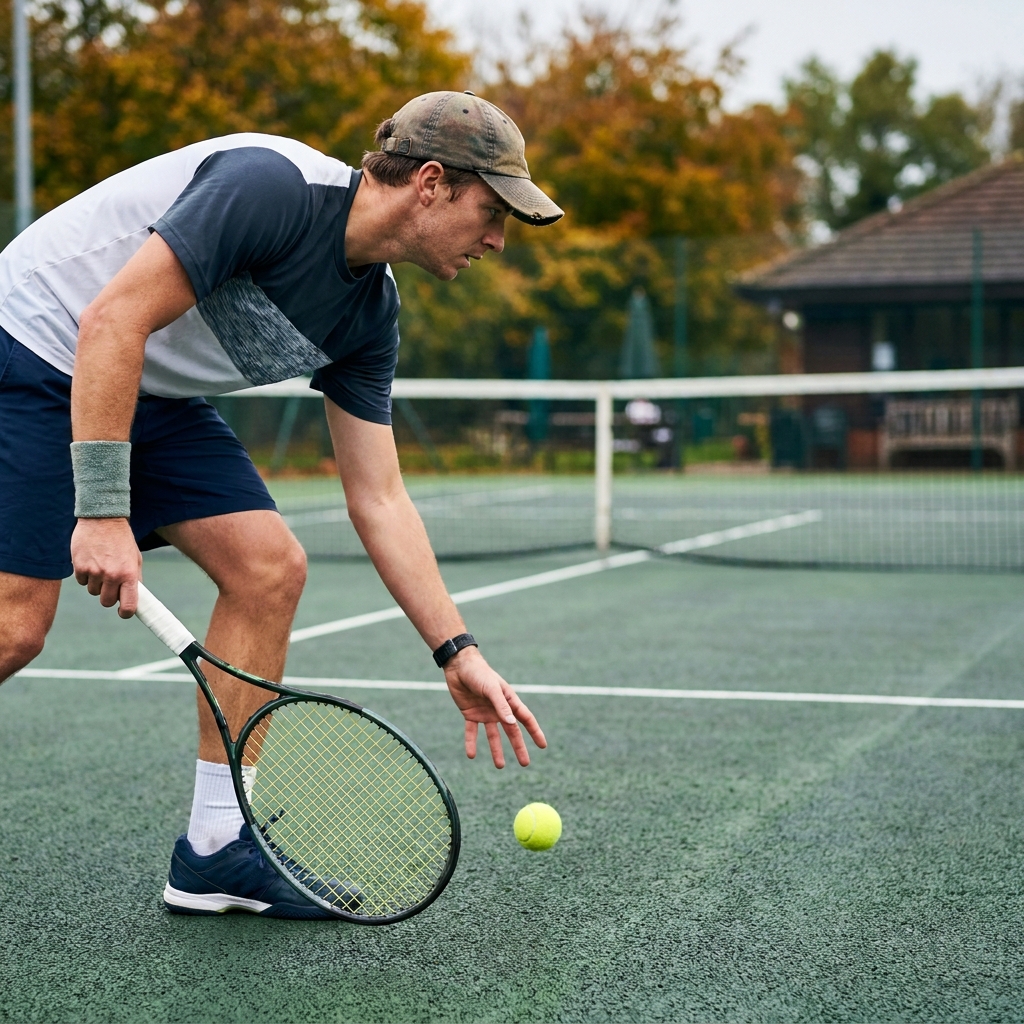
A tiebreak is a short sprint where every point is worth the same as a break of serve. The players who win them are rarely the ones who hit hardest. Here is how to coach the patterns, habits and scoreboard thinking that win the big points.
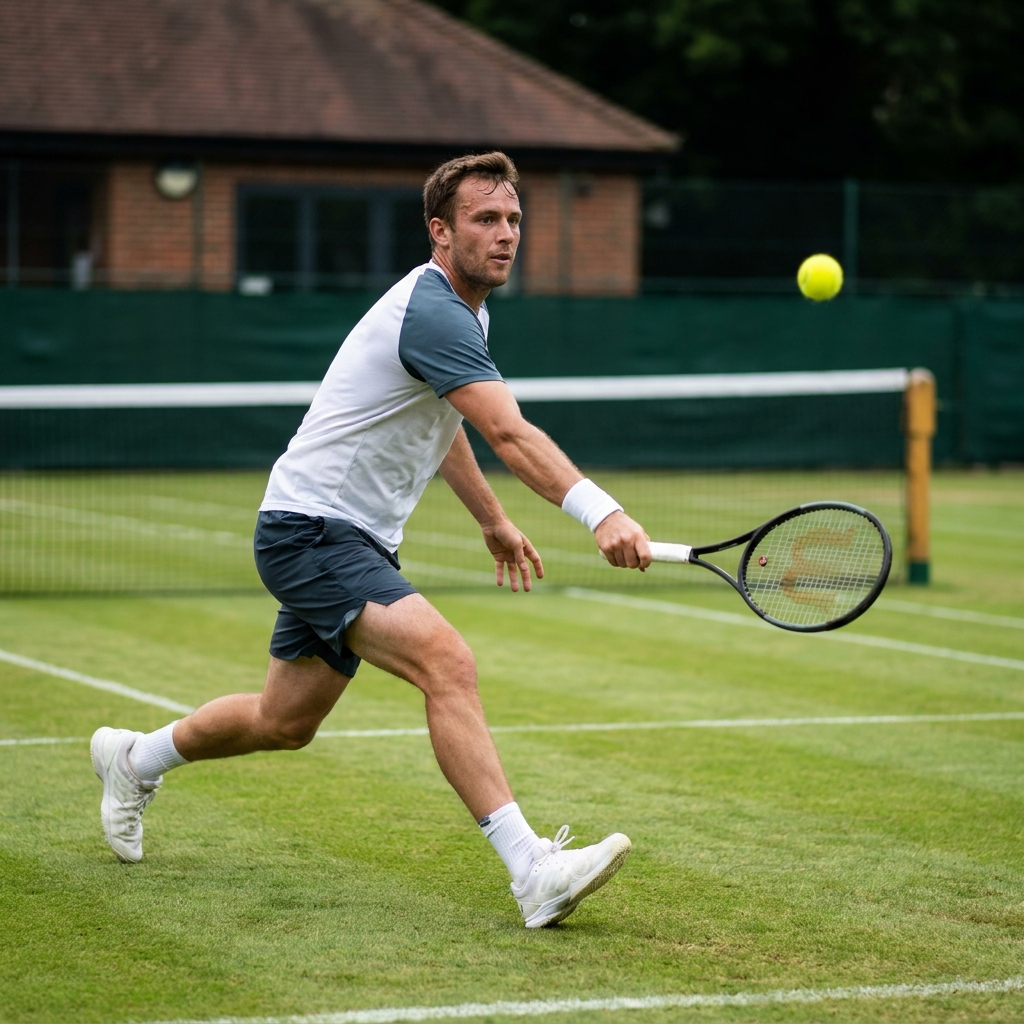
Most club players practise the serve on its own and then have no idea what to do with the ball that comes back. Serve plus one is the pattern that turns a good serve into a won point.
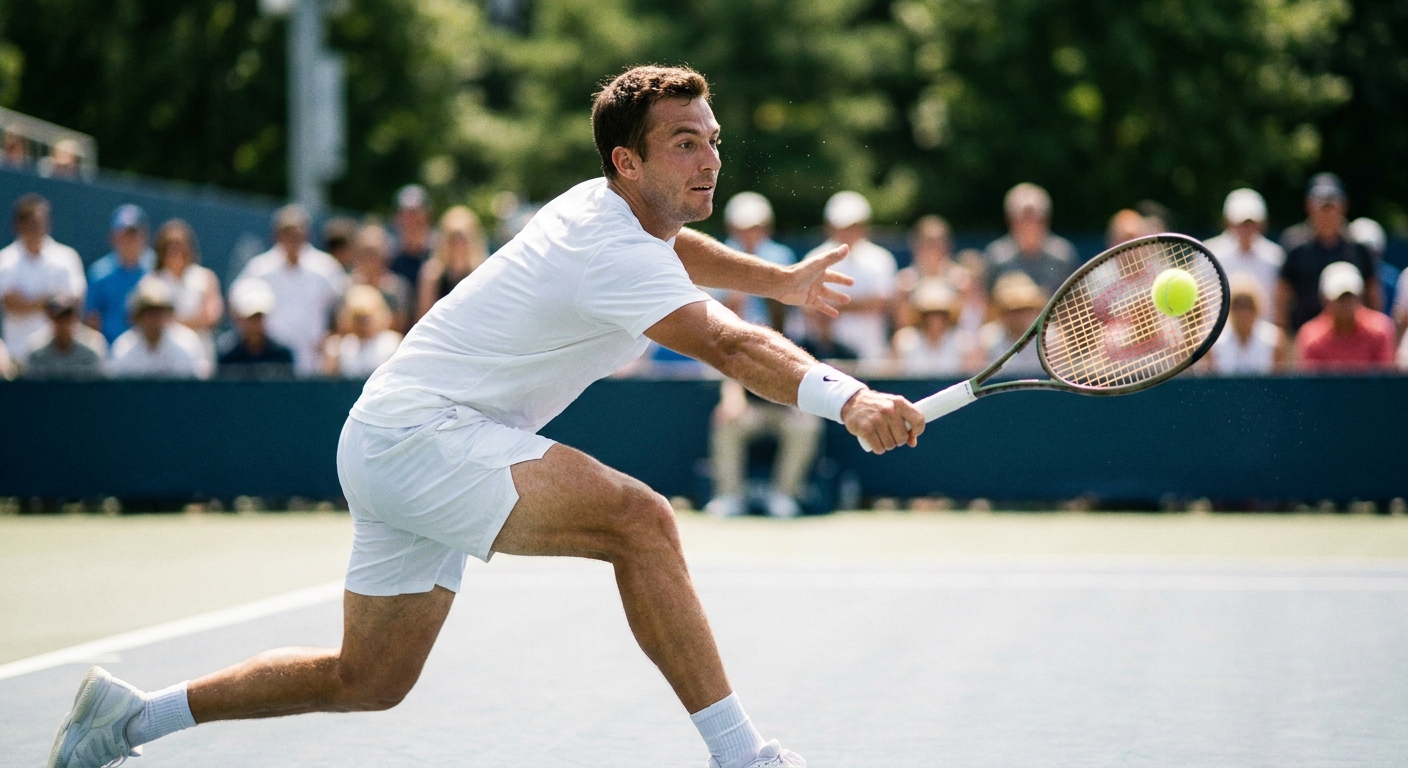
Wimbledon has just crowned another champion, and if you watched closely you saw the same thing every year: the best returners quietly won the tournament. Here is how to coach a return that pressures the server rather than just surviving it.


Register for FREE and get coaching tips, top drills, session and more every week!