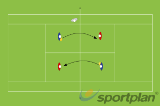
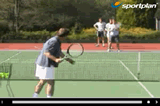
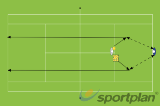
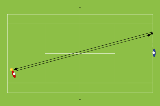
2 players play points against each other. Player A has to finish the point in 3 shots to win.
Drill specifications:
2-3 points and switch
Points are short so players can play few rallies in a row before they switch. With more players on the court waiting players should perform physical activities to improve footwork or they can observe other players to learn different tactical approaches.
At the lower levels of performance, 2-3 offensive shots in a row are enough to win the point so players have to learn how to maintain some consistency while hitting the balls with more risk. At the top level there are totally different demands so players like Nadal or Djokovic have to perform full-speed shots over and over again to increase the chances for winning. Being limited to only 3 shots in rally, player has to bring his A game and focus totally on execution to win the point.
In this drill players work on offensive skills in a match situation. Playing points is a demanding environment because everyone wants to win. Knowing that players tend to go back to old habits coach has to emphasize using all the skills that were learned during the previous sessions. 2 players have different objectives so tactical skills are aspects that players should focus on. Player A wants to win the point within 3 shots so offensive responses have to be implemented from the first execution. Player B should focus more on defensive solutions to develop consistency while responding to the offensive rival. Coach should ask both players about possible strategies and encourage them to use all the skills (drop shots, angles, attacks).
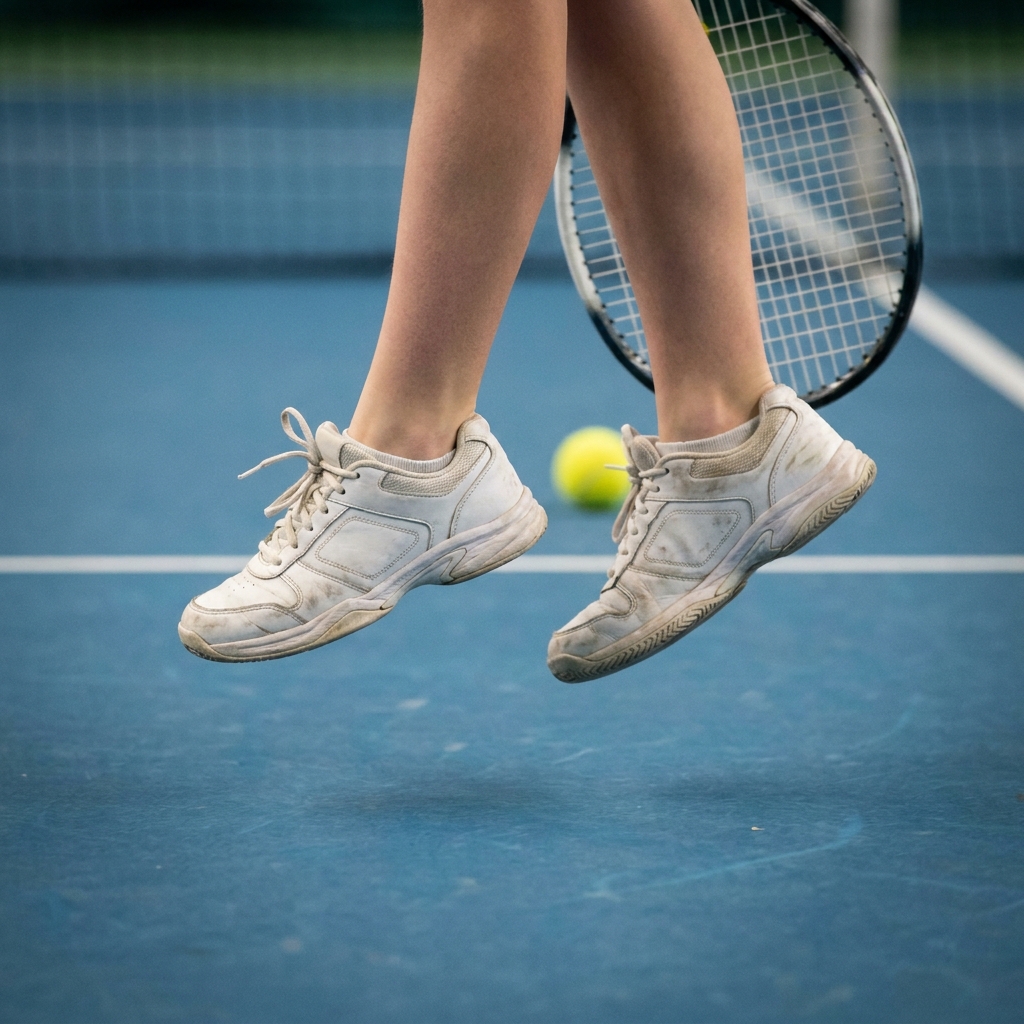
Indoor courts give players less time and less room. Help them sharpen their split step, shorten their swing and stay calm, and winter becomes a season of real progress.
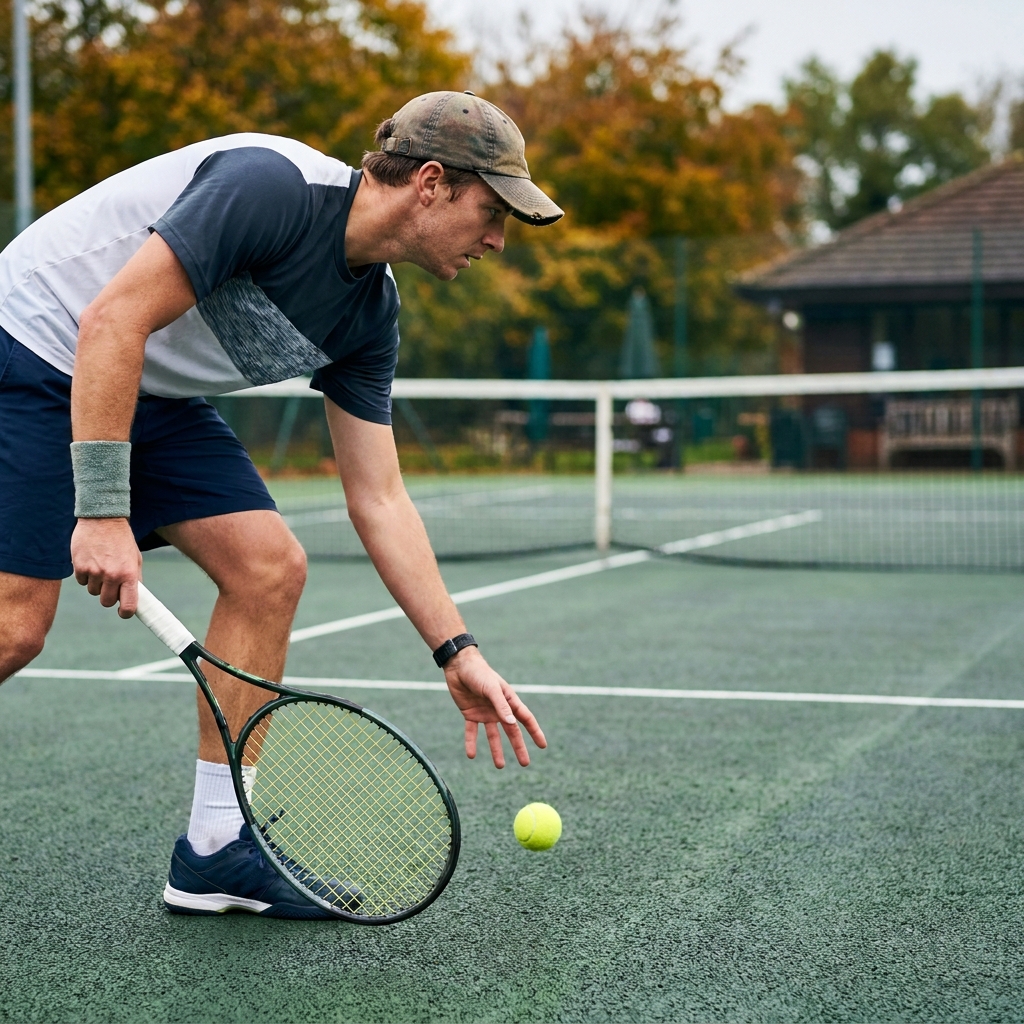
A tiebreak is a short sprint where every point is worth the same as a break of serve. The players who win them are rarely the ones who hit hardest. Here is how to coach the patterns, habits and scoreboard thinking that win the big points.
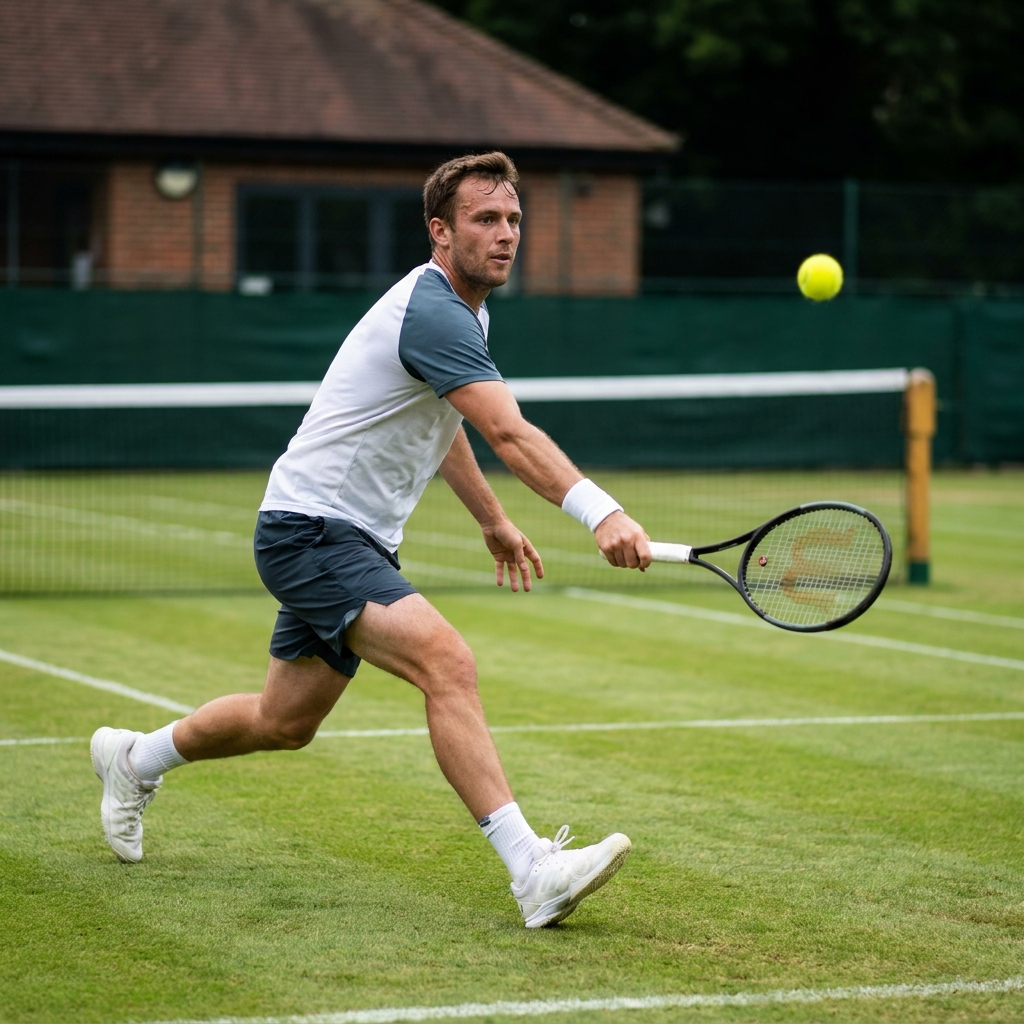
Most club players practise the serve on its own and then have no idea what to do with the ball that comes back. Serve plus one is the pattern that turns a good serve into a won point.


Register for FREE and get coaching tips, top drills, session and more every week!