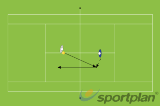
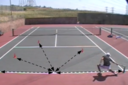
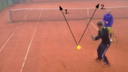
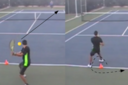
The coach stands in front of the player. The coach throws difficult ball to the backhand corner, the player then sprints, slides and hits neutral/defensive ball.
More and more players are able to really hit the ball from the baseline so there are many situations during the match when we are under time pressure. Being able to survive these critical moments can be a deciding factor about who will win the match so players have to work in these conditions during practice session to develop automatic responses.
In this drill, the player works on neutral/defensive backhand under time pressure. By sprinting and sliding to the ball, the player is forced to hit the ball in extremely difficult conditions so he has to be aware of few factors that have impact on the shot. The coach should explain to the player that proper balance comes from being wide and low with legs, keeping the upper body straight and not letting the head to drop during the stroke. By working on these parts separately players will develop automatic habits so they will execute effective shots without thinking. If there are too many mistakes after minutes of this drill, it simply means that player has some weaknesses in physical preparation that cause drop in performance. Addressing these issues during next fitness session should be a priority.
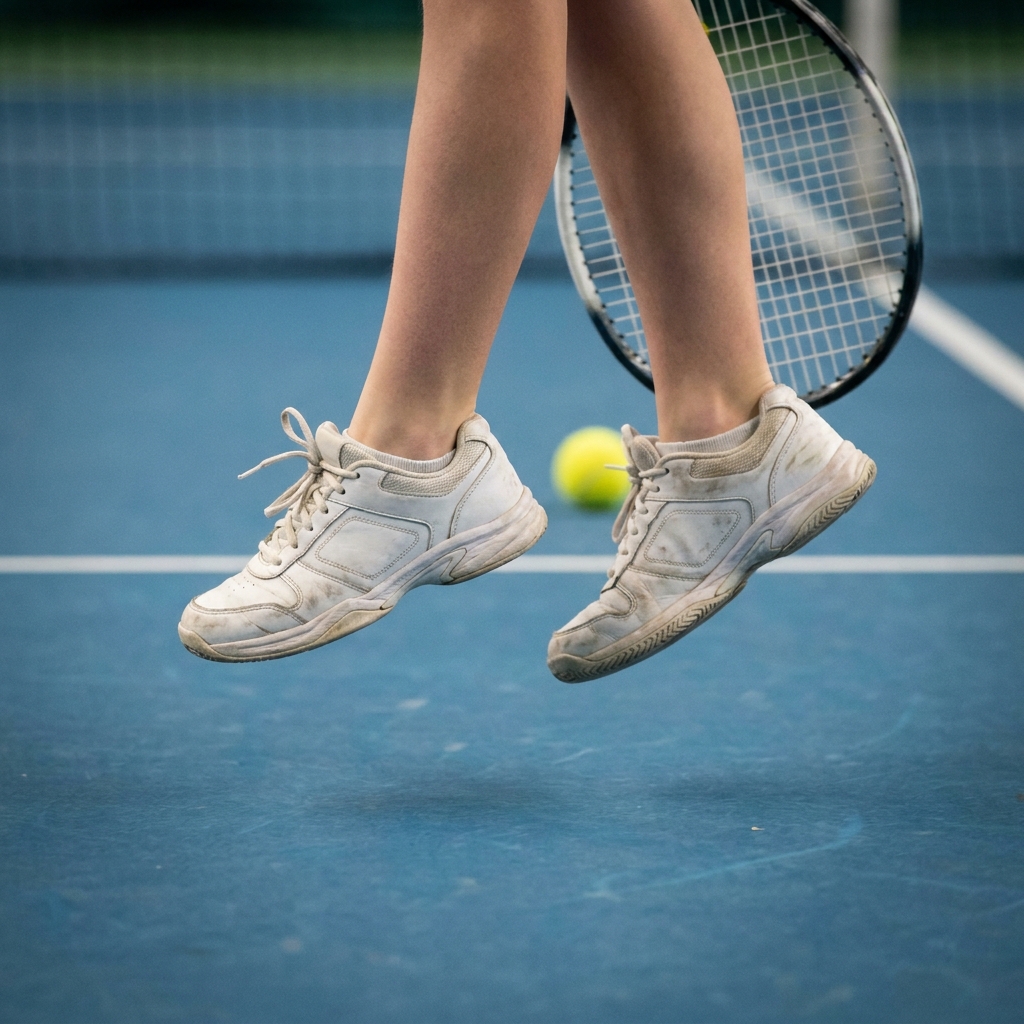
Indoor courts give players less time and less room. Help them sharpen their split step, shorten their swing and stay calm, and winter becomes a season of real progress.
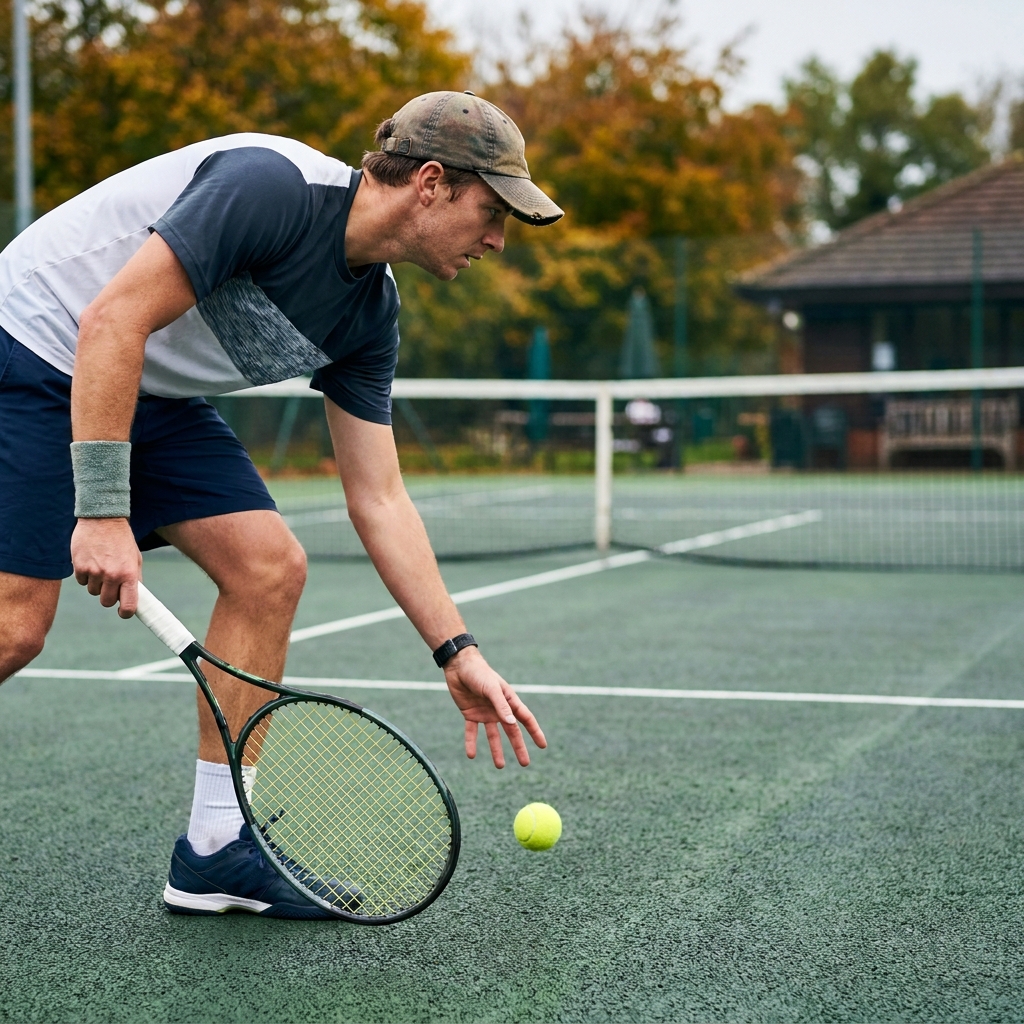
A tiebreak is a short sprint where every point is worth the same as a break of serve. The players who win them are rarely the ones who hit hardest. Here is how to coach the patterns, habits and scoreboard thinking that win the big points.
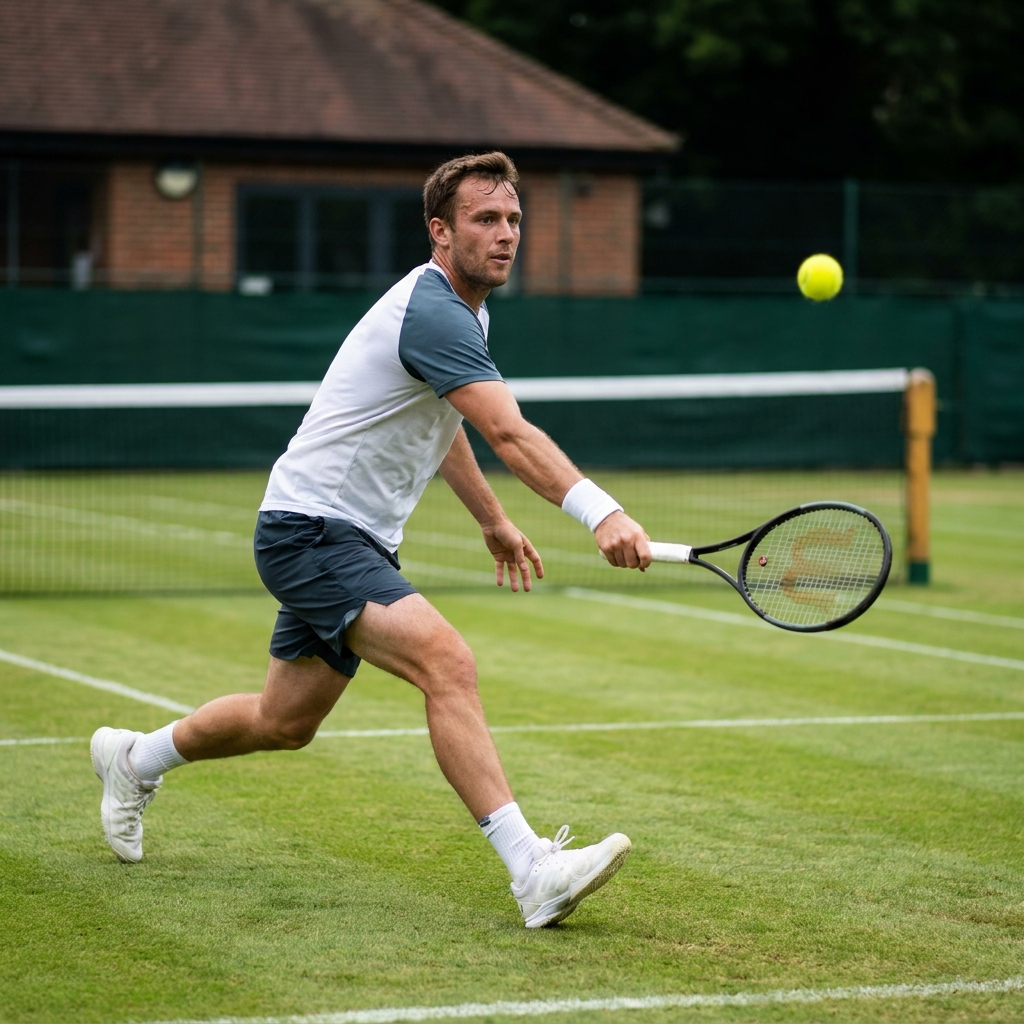
Most club players practise the serve on its own and then have no idea what to do with the ball that comes back. Serve plus one is the pattern that turns a good serve into a won point.


Register for FREE and get coaching tips, top drills, session and more every week!