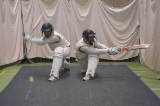
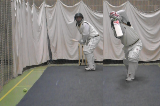
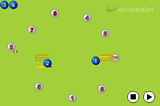
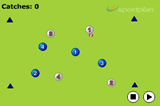
This drill can be done in pairs/groups of three (minimum one batter and one feeder required), with six tennis balls per pair/group.
Batter plays shot from one knee and progresses to ordinary stance when competent in the kneeling sweep position.
The types of feed should be rapid fire feeds, where hands only move, and balls are fed quicker. Move onto the types of sweep below, hitting:
Feeds need to be altered slightly here, quicker for the paddle, and wider and more looped for slog sweep.
Feeder can also call the name of the shot they are going to hit as they are fed the ball to further progress decision making.
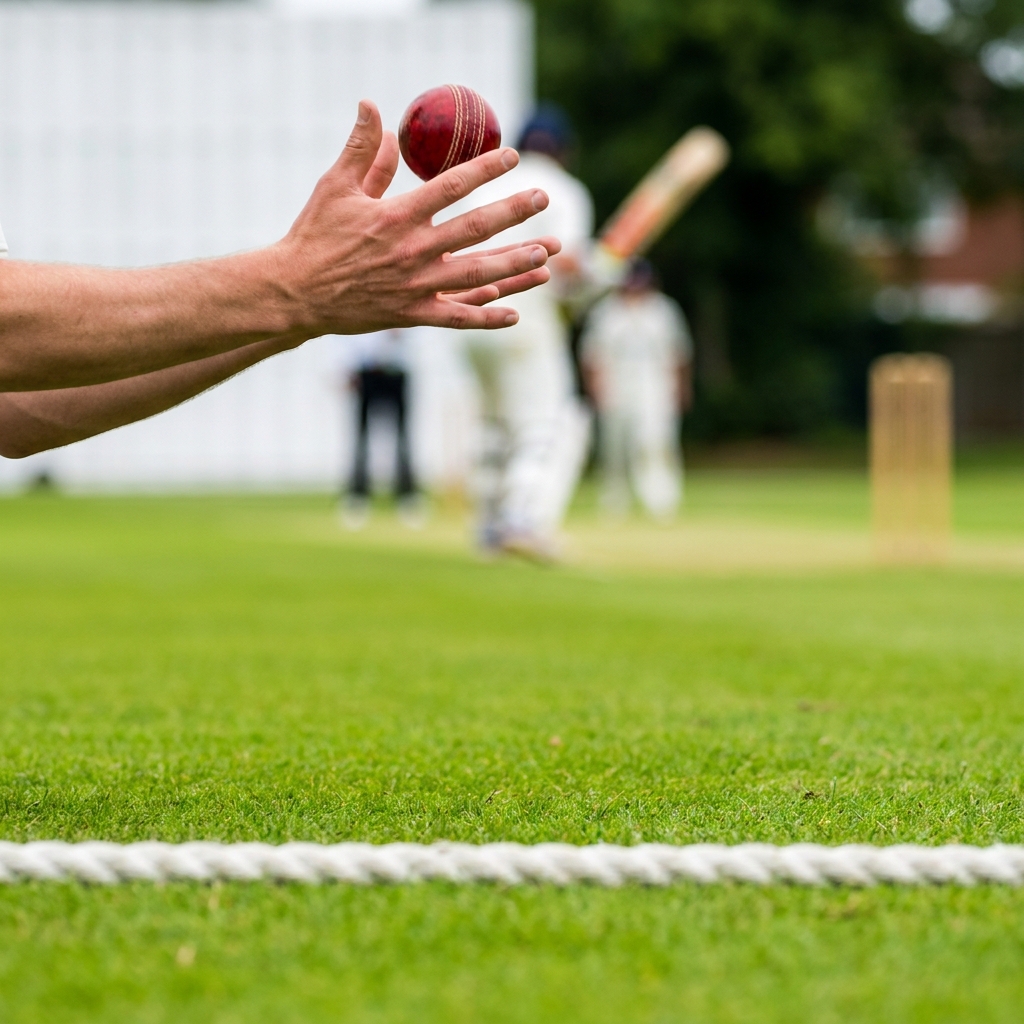
The new Laws of Cricket are in force from 1 October 2026 and the 'bunny hop' boundary catch is gone. Here is how to coach your fielders to catch on the rope this winter.

The covers are on and the last tea has been served. What your club does between now and April decides how the next season starts. Here is a simple, honest winter plan for players, bowlers and juniors.
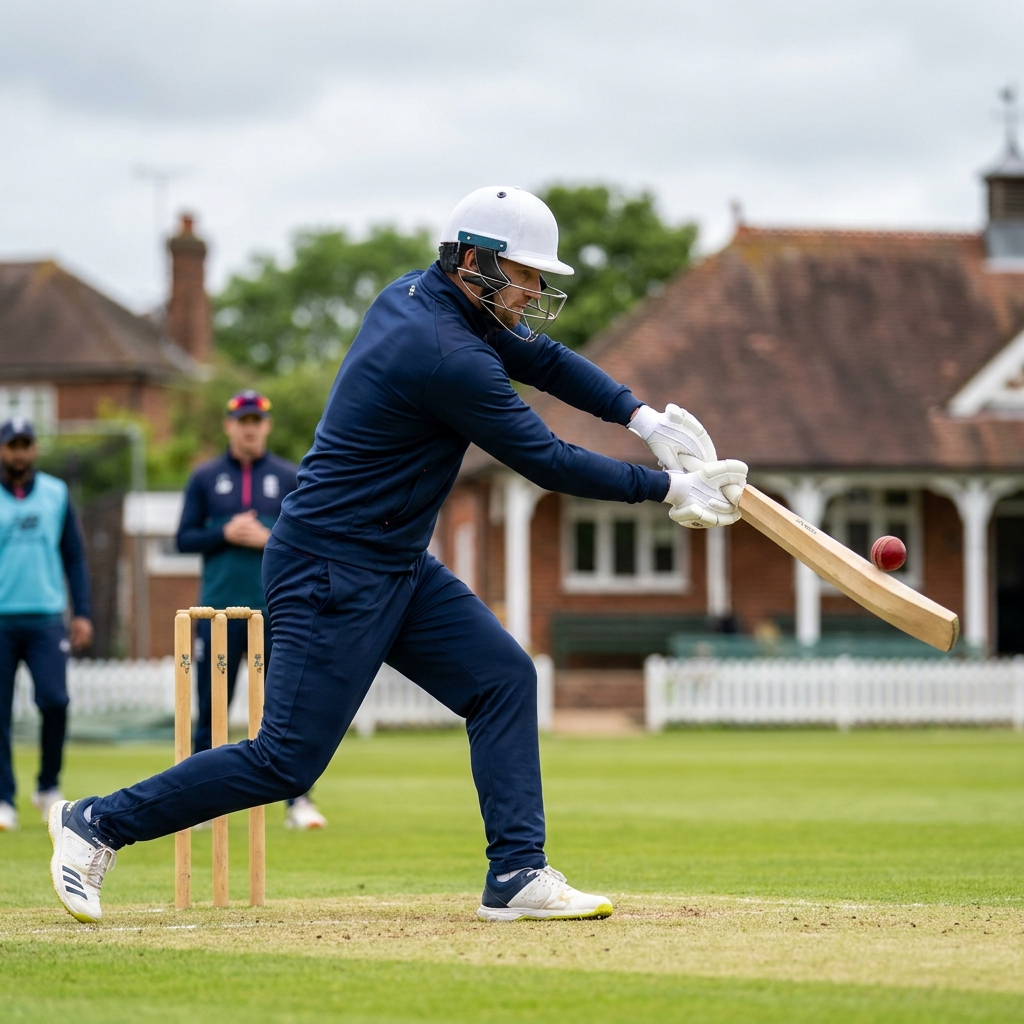
August is when seasons are decided, and most club games are lost chasing rather than setting. Give your batters a framework for the chase and you win the close ones.


Register for FREE and get coaching tips, top drills, session and more every week!