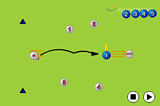
This game can be played in teams (6-10 a-side) or in pairs (8-10 players).
Rules of the game:
There should be a batter at both ends.
If playing in pairs, give each pair two or three wickets. If playing in teams, when a wicket falls it is the turn of the next batsman. Tip and run, or two or three balls to make a run.
The coach throws either all front foot defence or all back foot defence bowls.
The fielders must stay on the cones or with one hand on the wall until the ball is thrown, otherwise batsmen automatically get a two run bonus.
Ways of getting out:
Bowled, caught, run out, stumped, playing an attacking shot, or failing to score off the limited number of deliveries.
The batsman can only score singles but the boundaries count for overthrows.
Overthrows: side walls = 2 runs, back wall behind wicket keeper = 1 run, front wall = 4 runs (Unless you hit a 4 you can run singles to add to the side and back wall scores.)
If a batsman leaves the ball it does not count and he does not have to run.
If the batsman plays and misses it counts as a delivery
Players must try and play with the full face of the bat as much as possible, even when trying to work the ball into gaps.
This can be done by maintaining a high elbow in the shot, and just a turn of the wrists upon impact.

The new Laws of Cricket are in force from 1 October 2026 and the 'bunny hop' boundary catch is gone. Here is how to coach your fielders to catch on the rope this winter.

The covers are on and the last tea has been served. What your club does between now and April decides how the next season starts. Here is a simple, honest winter plan for players, bowlers and juniors.
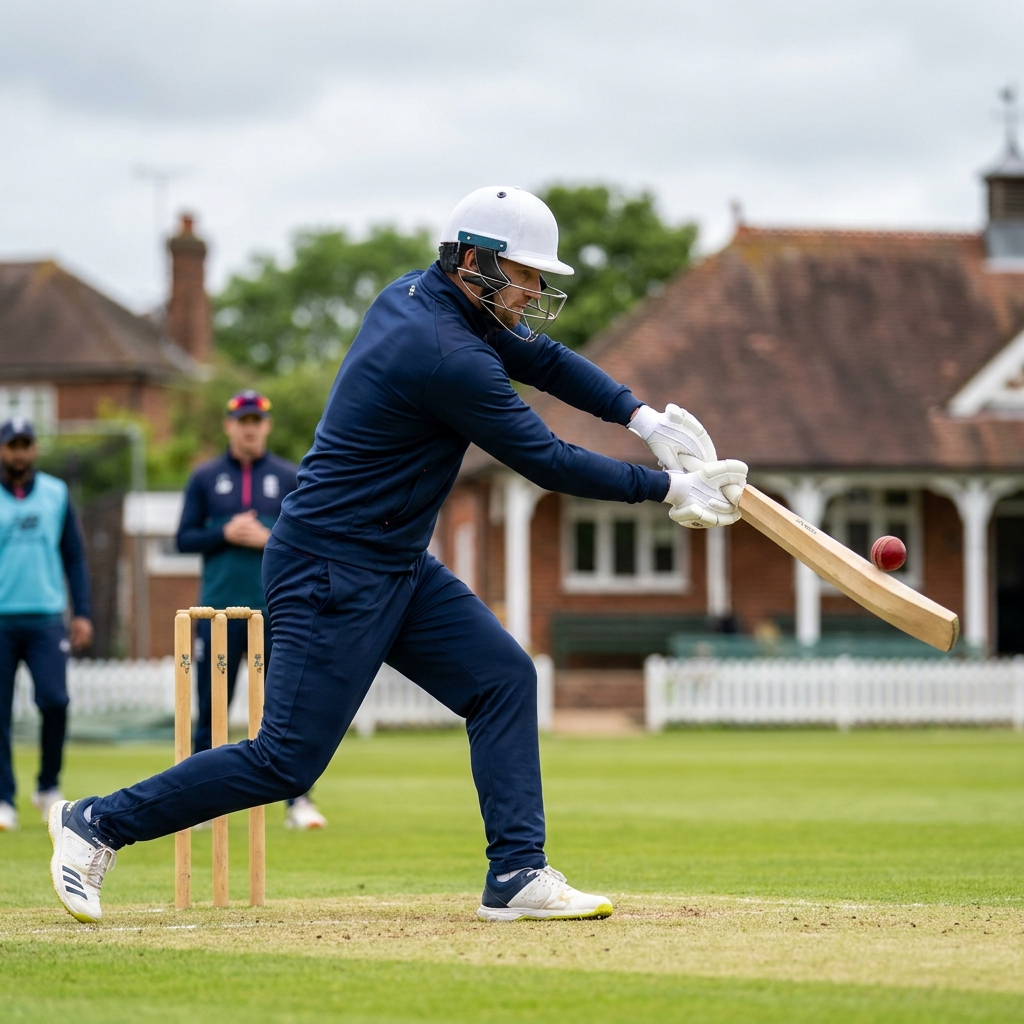
August is when seasons are decided, and most club games are lost chasing rather than setting. Give your batters a framework for the chase and you win the close ones.


Register for FREE and get coaching tips, top drills, session and more every week!