30 mins
Defenders aim to push defenders back and wide before winning the ball and countering to pass the ball into one of the wide goals or dribbling/ receiving the ball in the central square.
How can we slow attackers down? How quickly can we get to them?
How do we make attackers predictable?
How do we deny attackers space?
Add further defensive overload to secure success.
Body position and quick closing down key, with effective support needed. Shifting over as blocks.
Same focuses as in previous exercise.
Protecting the central narrow box and moving out from there.

in more ways than one
 sportplan_netball


in more ways than one
sportplan_football
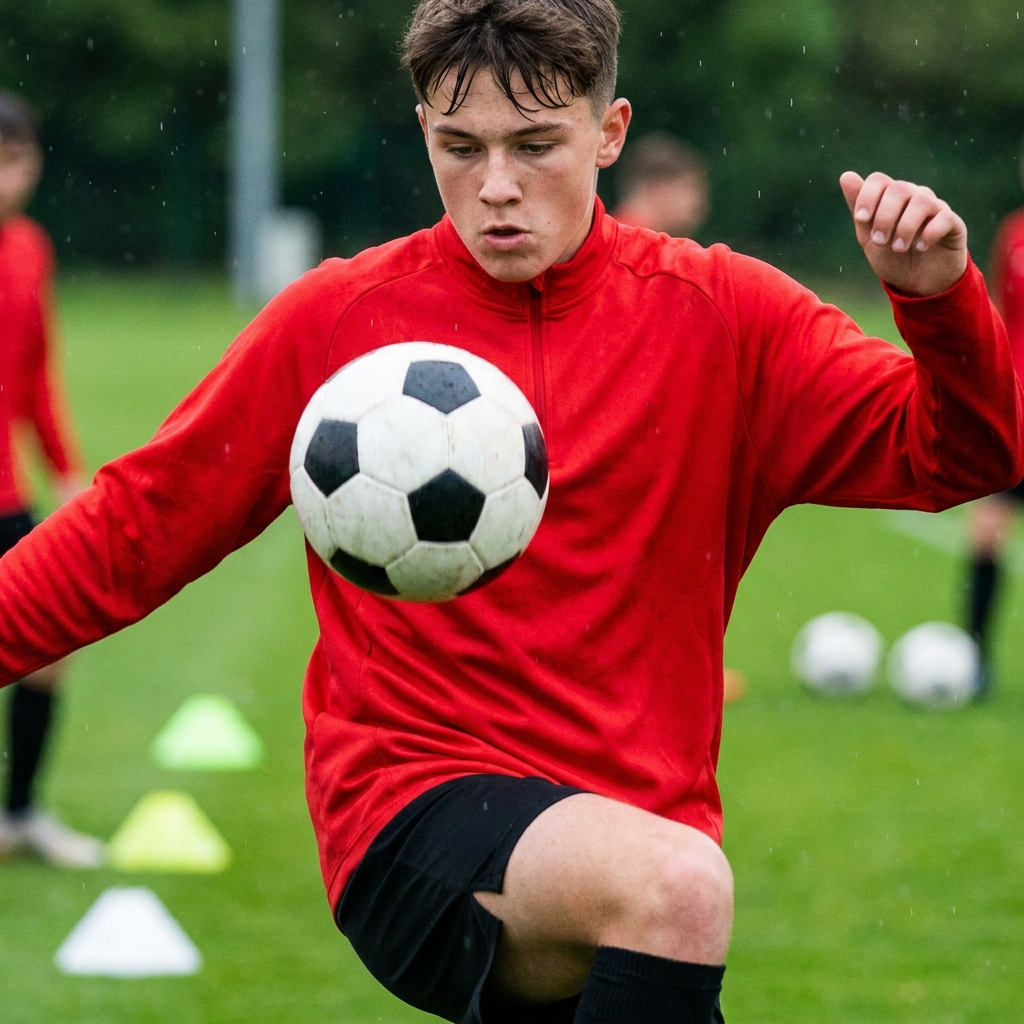
Deliberate heading is now out of U11 grassroots matches. Here is how to coach chest, thigh and foot control so your players still win the ball in the air.
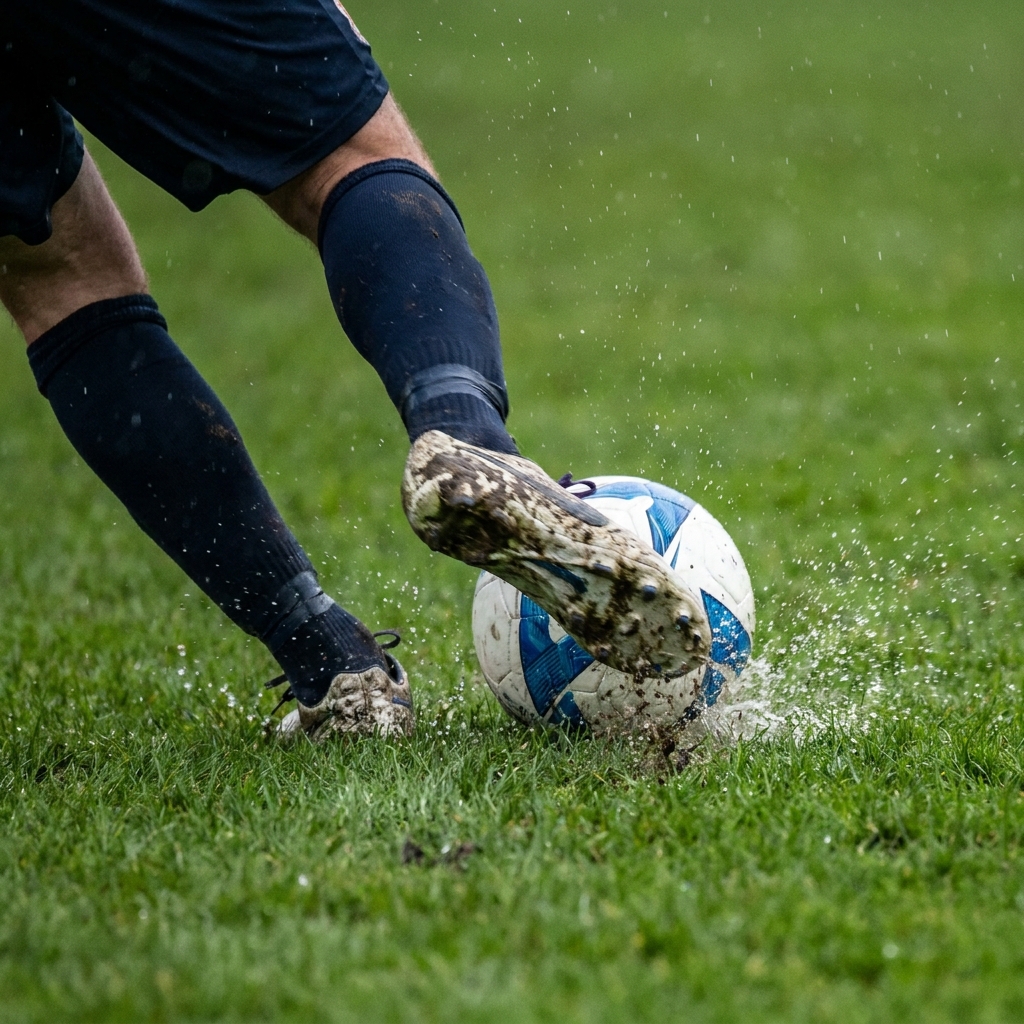
Long-range goals doubled at the 2026 World Cup as teams sat deep. Here is how to coach when to shoot from distance, the technique, and the follow-up.
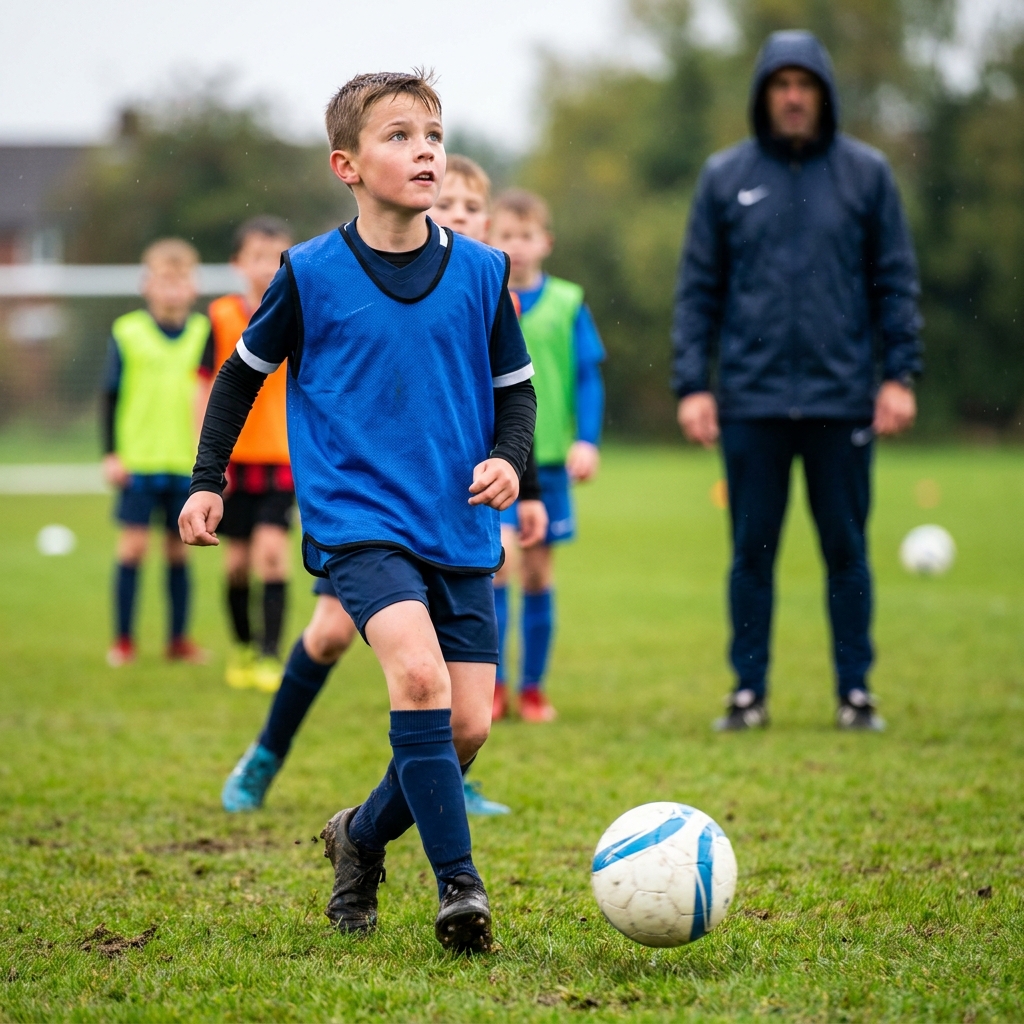
Under FutureFit, your Under-9s stay at 5v5, your Under-11s stay at 7v7 and your Under-13s stay at 9v9. Same pitch, same numbers, one more year. Here is how to make sure that year feels like a step forward rather than a repeat.