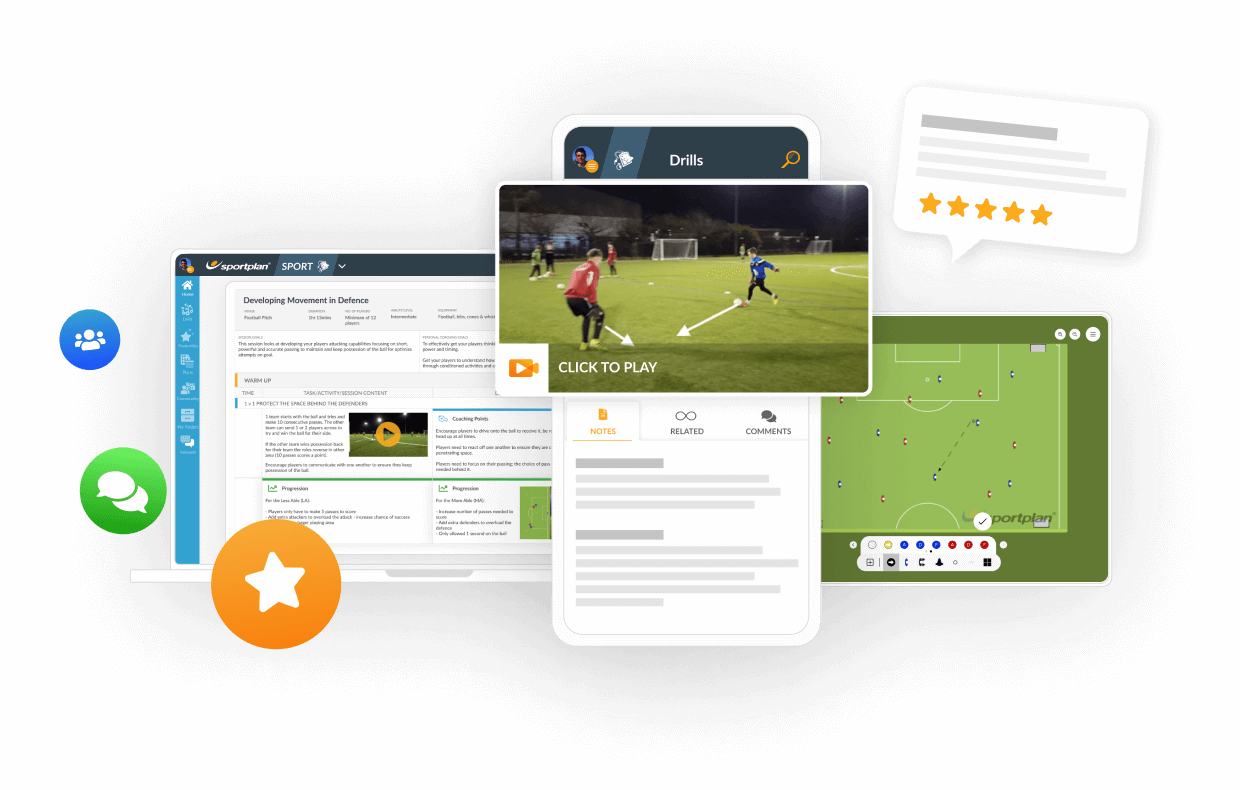
L'équipe qui défend commence avec la balle au gardien.
Leur but est de sortir de leur zone par l'un ou l'autre des couloirs latéraux.
Ne pas se faire marquer de but.
Assurer la relance et la sortie par les flancs.
Créer des opportunités et du mouvement tout en assurant le support
Si c'est bloqué, revenir par l'arrière, impliquer le gardien, et repartir de l'autre côté
VARIANTE
Faire débuter avec le ballon aux attaquants ce qui ajoute comme complexité de devoir d'abord rester compact pour prévenir le tir, récupérer le ballon et ensuite élargir le jeu.
in more ways than one
 sportplan_netball

in more ways than one
sportplan_football
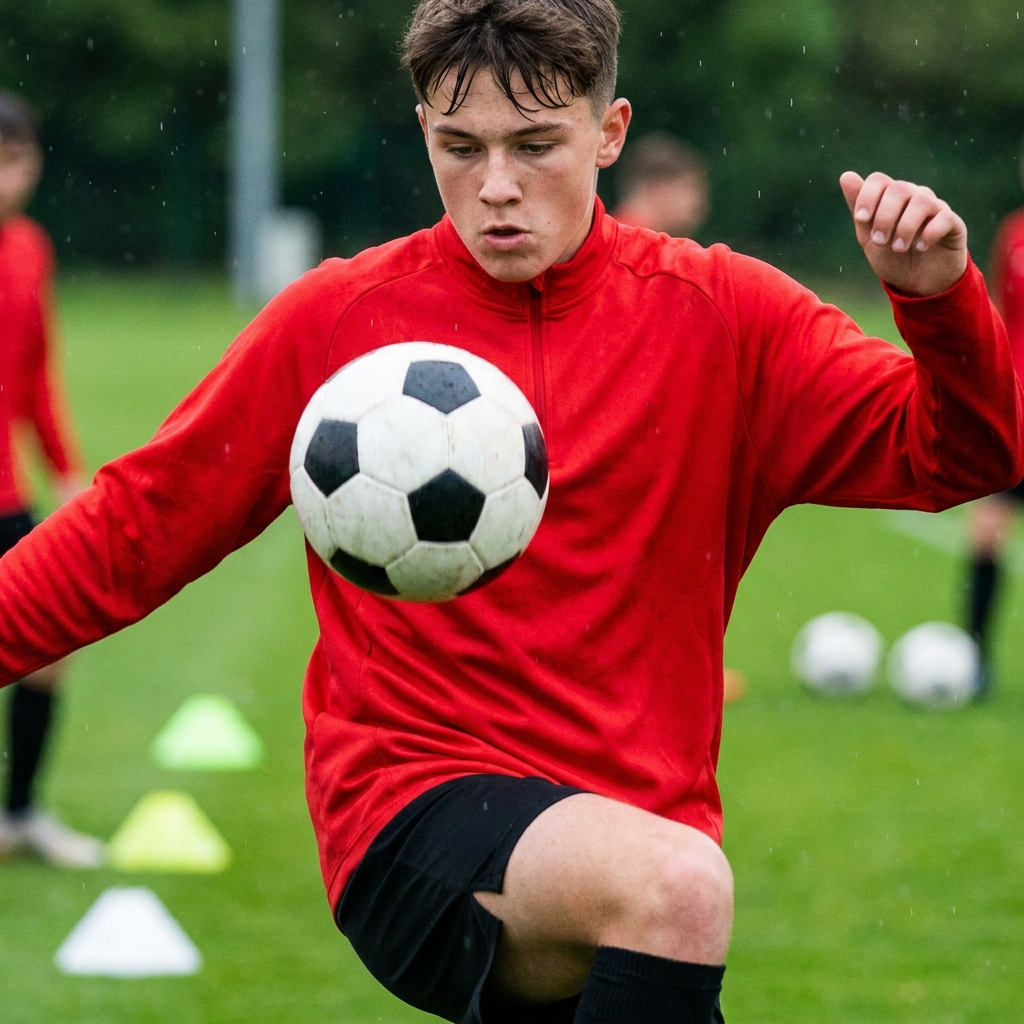
Deliberate heading is now out of U11 grassroots matches. Here is how to coach chest, thigh and foot control so your players still win the ball in the air.
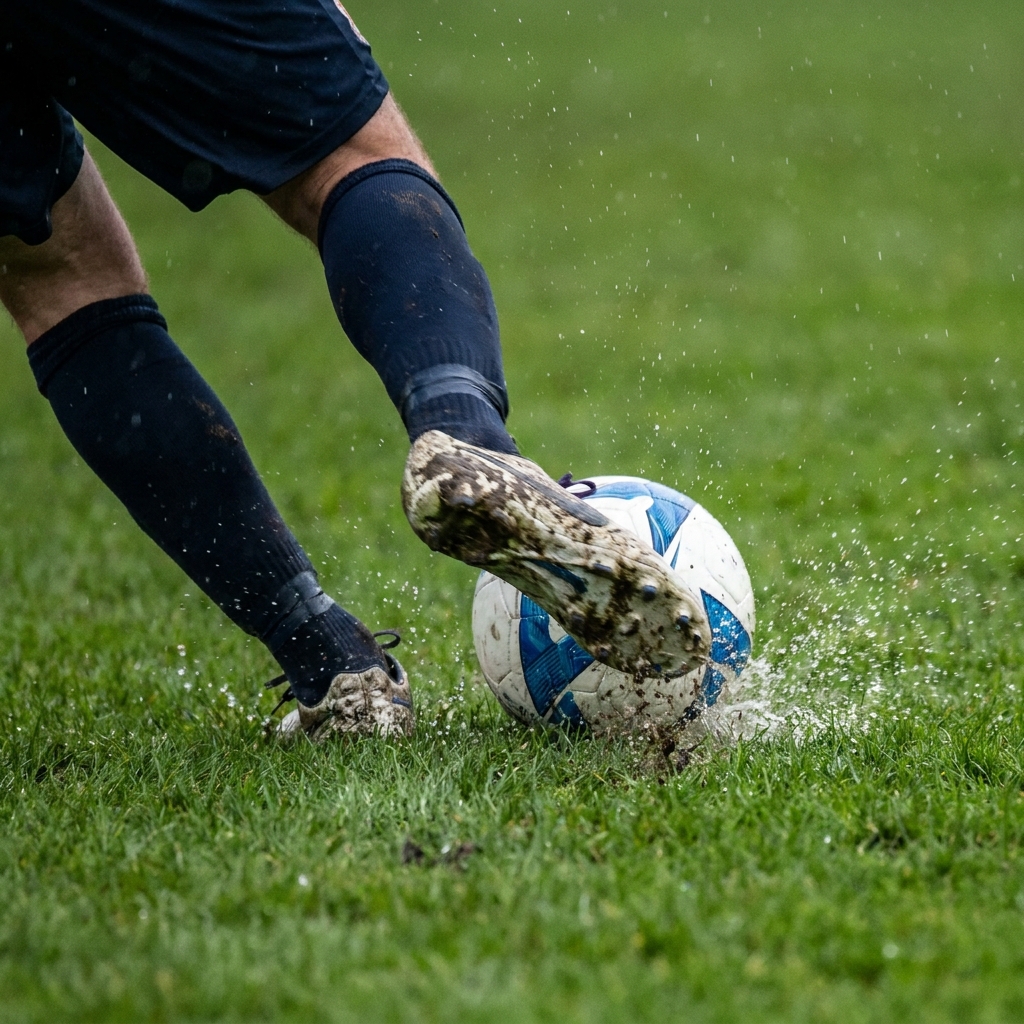
Long-range goals doubled at the 2026 World Cup as teams sat deep. Here is how to coach when to shoot from distance, the technique, and the follow-up.
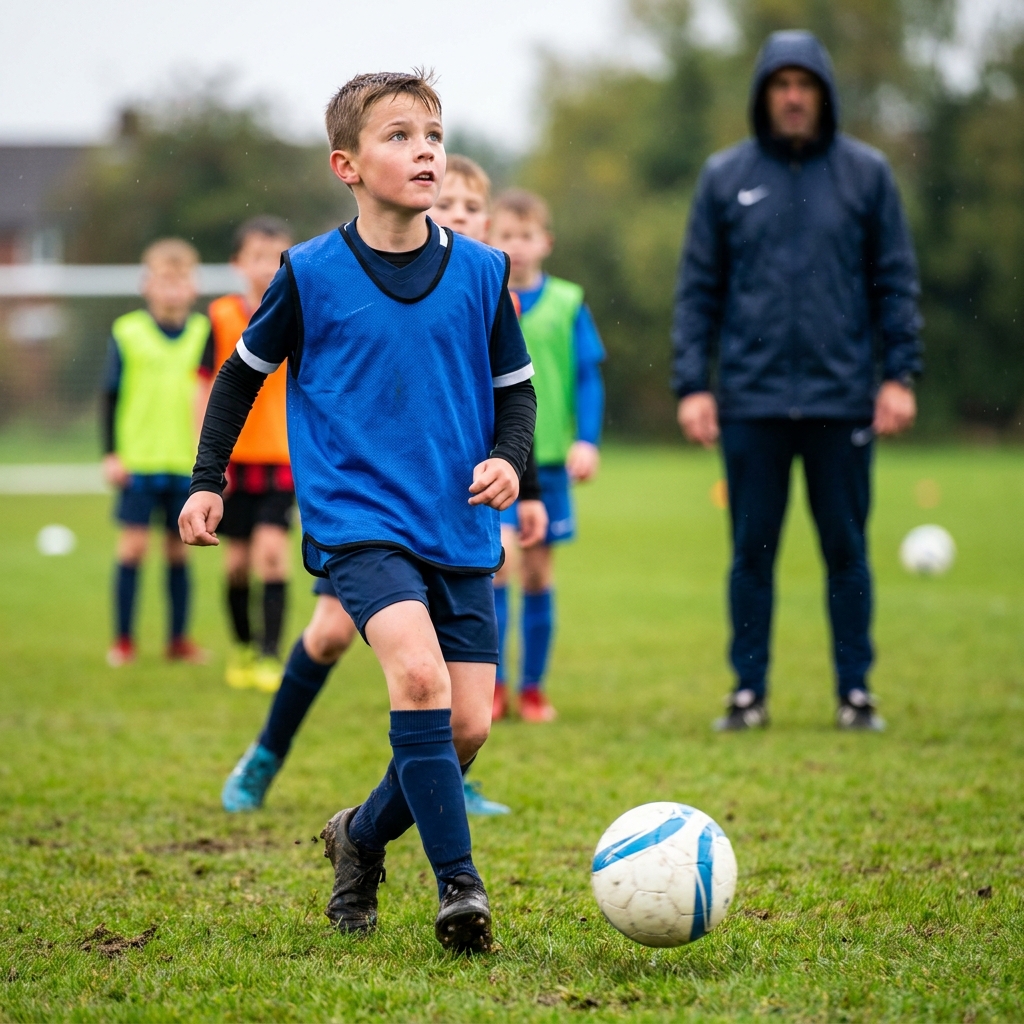
Under FutureFit, your Under-9s stay at 5v5, your Under-11s stay at 7v7 and your Under-13s stay at 9v9. Same pitch, same numbers, one more year. Here is how to make sure that year feels like a step forward rather than a repeat.