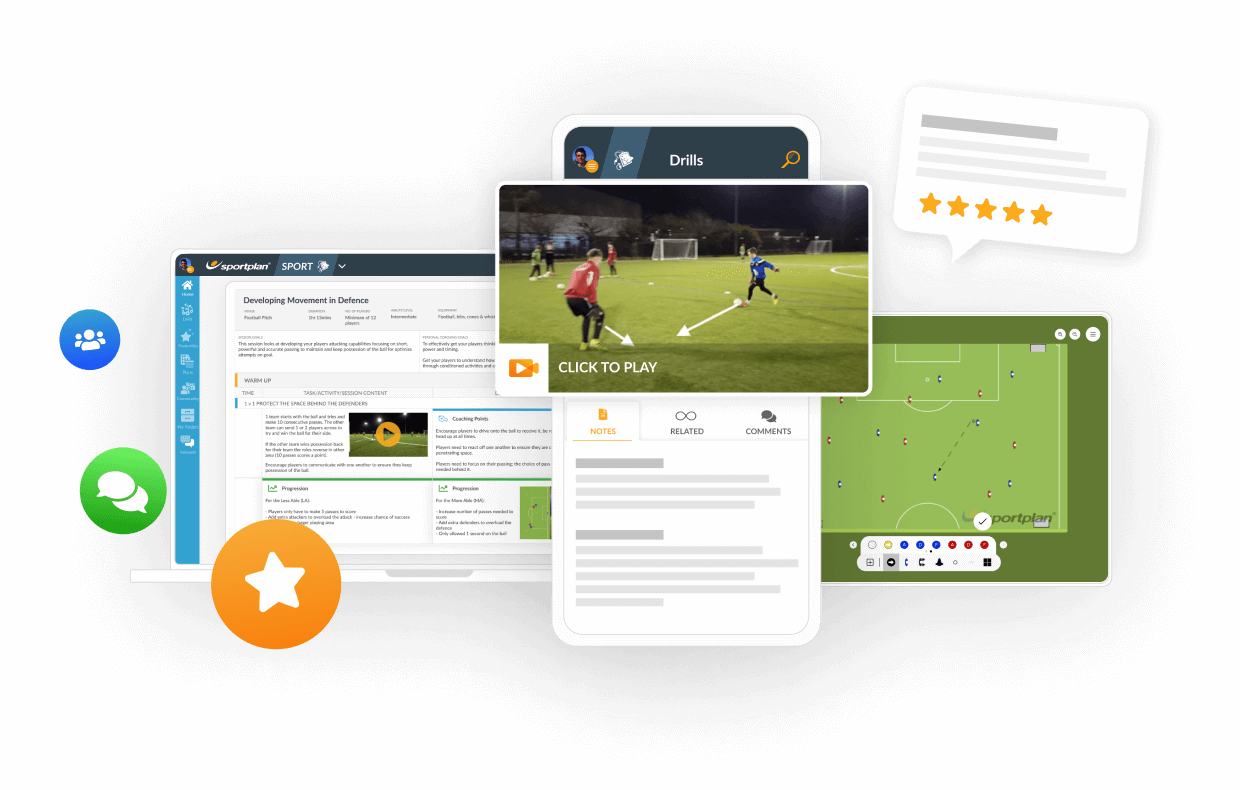
1) PRESSURE - COVER- BALANCE.
2) TEAM SHIFTS IN BEHIND THE BALL.
1) PRESSURE (CF) IS NEAREST TO BALL SO THEY TAKE A BENDING ROUTE TO THE BALL TO FUNNEL BALL TO OUTSIDE.
2) OM MOVES TO TAKE AWAY AN OPTION OR PRESSURE IF THEY ARRIVE LATE. TRY TO FORCE BALL WIDE.
3) THEY WILL TRY TO GET BALL TO THEIR OUTSIDE MID SO OUR OB MOVES TO COVER/ PRESSURE THEM
4) OUR CM COVERS ALLEYS FOR OUTLET PASSES.
5) TEAM SHIFTS IN BEHIND THE BALL.
6) ONE HOLDING MID STAYS ON THE BALL LINE IN FRONT OF OUR BACK LINE.
7) ONE HOLDING MIDTAKES AWAY PASSING LANES OR PRESSURES/DOUBLES AS NEEDED.
8) BACK LINE READS PRESSURE ON THE BALL TO BACKPEDAL AS NEEDED TO KEEP LONG BALLS IN FRONT OF THEM.
in more ways than one
 sportplan_netball

in more ways than one
sportplan_football
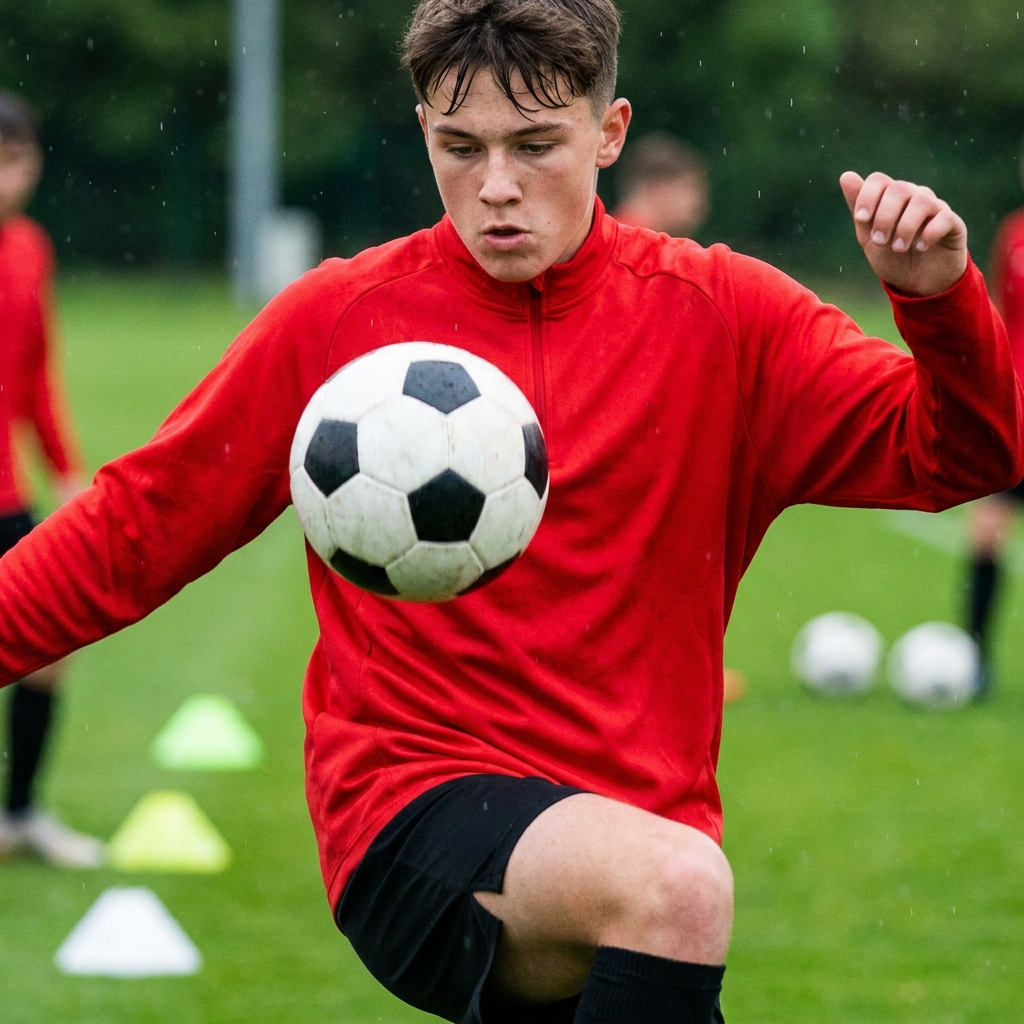
Deliberate heading is now out of U11 grassroots matches. Here is how to coach chest, thigh and foot control so your players still win the ball in the air.
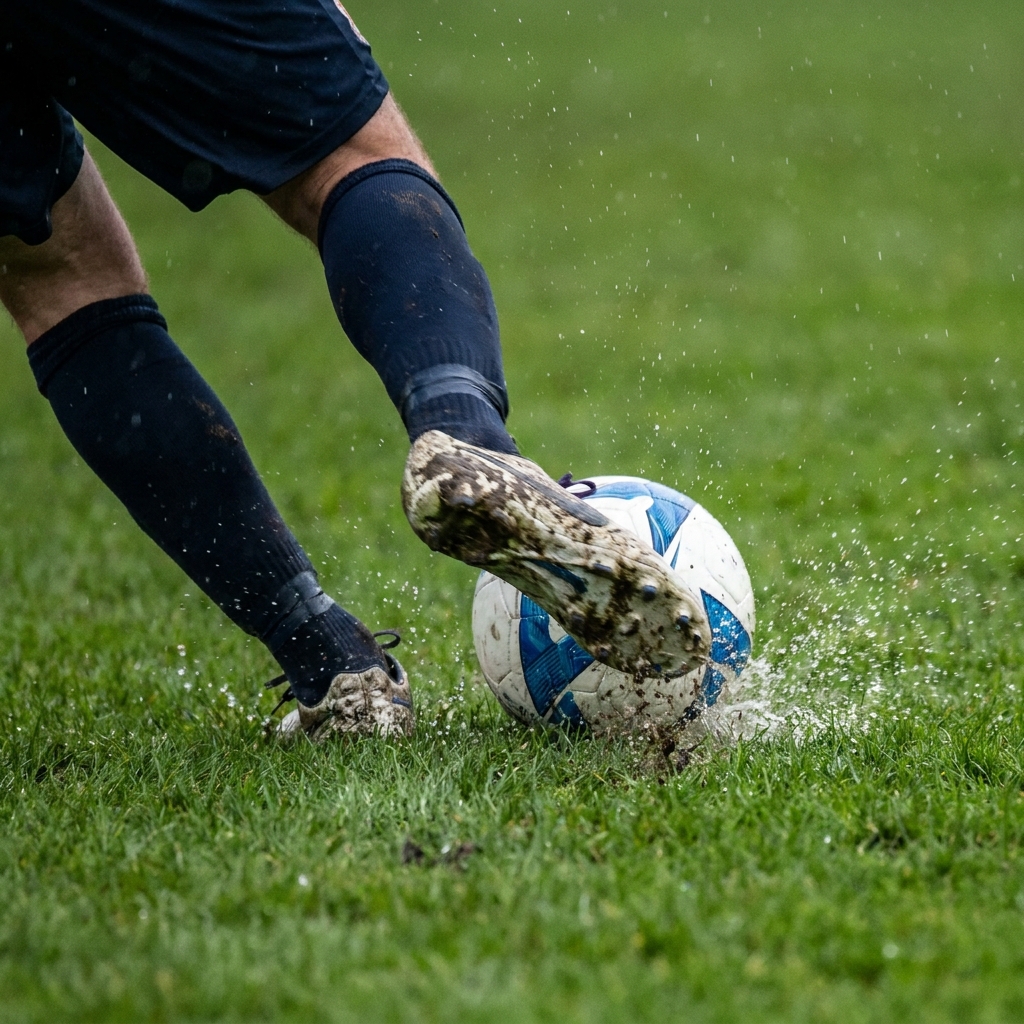
Long-range goals doubled at the 2026 World Cup as teams sat deep. Here is how to coach when to shoot from distance, the technique, and the follow-up.
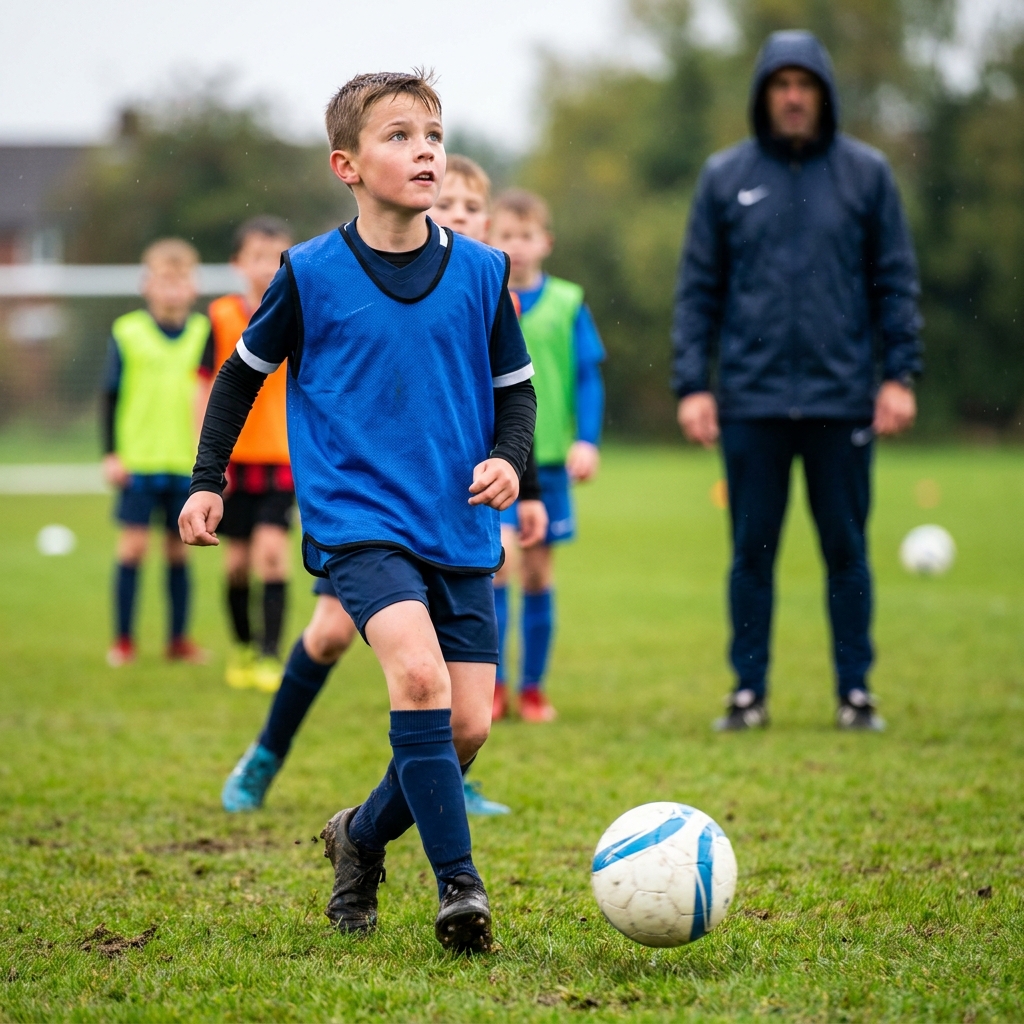
Under FutureFit, your Under-9s stay at 5v5, your Under-11s stay at 7v7 and your Under-13s stay at 9v9. Same pitch, same numbers, one more year. Here is how to make sure that year feels like a step forward rather than a repeat.