Rounders: Built for Big, Mixed Groups
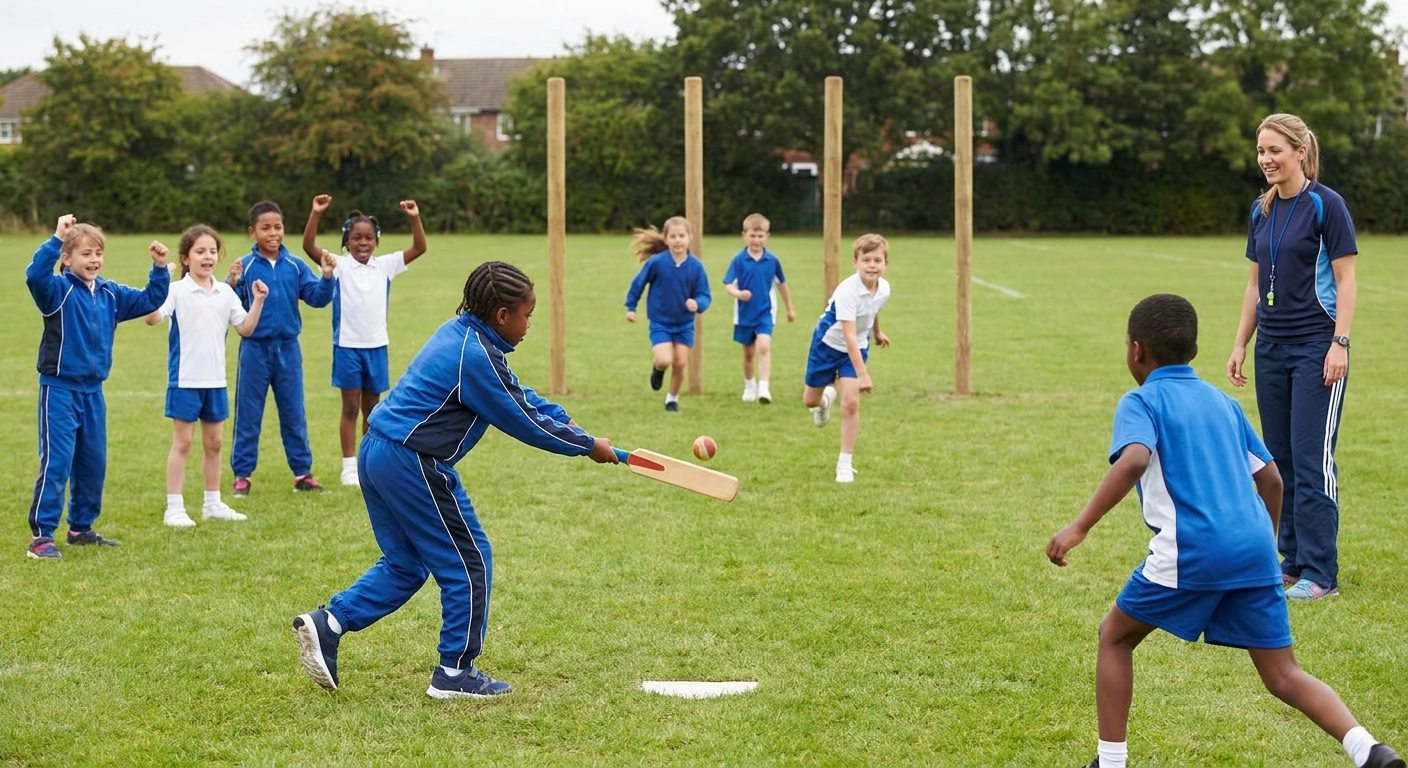
Few sports suit a school PE lesson as well as rounders. You can hand a whole mixed-ability class a bat and a ball and have everyone striking, running and fielding within minutes - on any flat grass, with cones for posts and a handful of soft balls. It costs almost nothing to set up, the rules are quick to grasp, and a nervous beginner and a confident games player can enjoy the same session side by side. That inclusiveness is exactly why rounders thrives in schools, summer clubs and social leagues across the country.
The one trap to avoid is the long queue. Stand 25 children behind a single batting post and most of them spend the lesson waiting, cooling down and losing interest. Every drill below is chosen to fight that: small groups, several things happening at once, and as many hits, bowls, catches and throws per child as you can pack into the time. Keep the activity high and the standing about low, and rounders almost coaches itself.
We have grouped 15 drills into six blocks - warm-up and fun games, batting, bowling, backstop and catching, ground fielding and throwing, and full conditioned games for festival or match-play. Pick one or two from each block to build a balanced session, or lift a whole block to focus on a single skill. Every drill links straight through to the full Sportplan practice with a diagram and animation. New to the rules and the playing positions? Read our rounders positions and rules explained guide first so the game-based drills make sense.
1. Warm-Up & Fun Games
Start every session with movement and a smile. These get the whole group active at once - no waiting - while sneaking in the throwing, catching and reactions the lesson will build on. Perfect for settling a lively class in the first few minutes.

2. Batting
Striking the ball is the moment every child wants, so make it the part they get most of. Work batting at small stations so nobody waits long for a turn, and use soft balls so beginners swing freely without fear. These three build a clean, controlled hit.
3. Bowling
A good underarm bowl makes the whole game flow, so it pays to coach it properly. Pair children up so everyone bowls and everyone receives - no standing in line. These three take a beginner from grip to a smooth, accurate delivery.

4. Backstop & Catching
The backstop is the busiest fielder in rounders and a great role for a confident catcher - but good catching hands matter everywhere on the pitch. Rotate children through these so nobody is parked in one spot, and use soft balls to build brave, sure hands.
5. Ground Fielding & Throwing
Most outs in rounders come from sharp fielding and an accurate throw to a post. These drills get the ball moving fast around the group with everyone involved - exactly the skills that decide a close game.
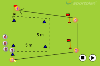
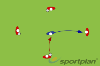
6. Conditioned Games (Festival & Match-Play)
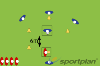
Finish with a game - it is where everything comes together and where children have the most fun. Small-sided and conditioned games keep numbers high and queues short: run two or three pitches at once rather than one big match, and every child bats, bowls, fields and runs far more often.
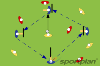
Running a High-Energy Class or Club Session
Fifteen drills are only useful if they slot into a session that flows. The shape below works for a 45 to 60 minute PE lesson or a longer club night - warm up the whole group, split into small skill stations so nobody queues, then bring it together in a game. Adjust the timings to your slot and keep the transitions sharp.
A Simple Session Plan (45-60 minutes)
- Warm-up game (8-10 min): Get everyone moving at once with Divots or Keepy-Uppys. No standing about - whole group active from the first whistle.
- Skill stations (20-25 min): Split into small groups rotating round two or three stations - say batting (Spot Hits), bowling (Good Bowling Action) and catching (Catching Hands Position). Several children active at every station, no long queues.
- Conditioned game (15-20 min): Finish with 5 v 5 Festival or Diamond Rounders. Run two or three pitches at once so every child bats, bowls and fields often.
- Cool-down & recap (3-5 min): A gentle stretch and a quick "what did we work on today?" to lock in the learning.
When you want to build your own session from scratch, drop any of these drills into our free rounders session plan template and you have a ready-to-coach lesson in minutes. For the laws of the game and where each fielder stands, the positions and rules guide is the companion read. And for hundreds more practices sorted by skill - batting, bowling, backstop, fielding and full games - browse the complete Rounders drills library.
Frequently Asked Questions
What age can children play rounders?
Children can start playing simple rounders games from around age 5 or 6, using a soft ball, a short bat or even a hand, and posts placed close together. At that age the focus is on striking, running and basic catching through fun games rather than the full nine-a-side match. From Key Stage 2 (roughly age 7 upwards) most children can handle a proper bat, underarm bowling and the real rules. Rounders England runs versions of the game for primary, secondary and adult players, so there is a suitable format for almost any age and ability.
How do I run rounders with a big PE class?
The golden rule with a full PE class is no long queues - never have 25 children waiting for one turn to bat. Split the class into small groups working at several stations at once, or run two or three small-sided games (such as 5 v 5) side by side rather than one big match. Conditioned games like Diamond Rounders and Beat the Ball keep everyone batting, fielding or running, and warm-up games such as Divots get the whole class active in seconds. Aim for maximum hits, throws and catches per child, with minimal standing about.
How long should a rounders session be?
A school PE lesson of 45 to 60 minutes is plenty: allow about 10 minutes for a warm-up game, 20 to 25 minutes on two skill stations, and 15 to 20 minutes for a conditioned game or match-play to finish. A club session of 60 to 90 minutes can follow the same shape with longer skill blocks and a proper game at the end. Keep transitions quick, the groups small and the activity high, and even a short session delivers dozens of hits, catches and throws per player.
What kit do you need for rounders?
Rounders is one of the cheapest team sports to set up. The basics are a few rounders bats, some balls (soft or sponge balls are ideal for beginners and big classes), and four posts - though cones or markers work perfectly well for school sessions. A backstop area behind the batting square is useful, and bibs help split teams. You do not need a specialist pitch: any flat grass area or playground marked out with cones is enough to run a full session, which is part of what makes rounders so brilliant for schools.