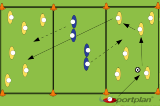
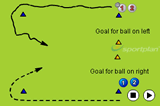
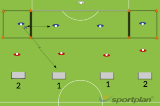
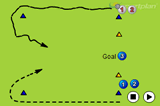
6 vs 6 game with 2 Floaters (who can play for whichever team has the ball).
Set up an area the size of one half of the pitch. In each corner and in the middle, position 2 cones to make 5 mini goals.
Also have 6 players stood around the outside of the area, who the ball can be passed to and from.
After the first game, switch one of the teams out and have the outside 6 come in and form a team. Rotate round like this so they each play each other.
Play 3 mins each of attacking, 3 times (9 mins in total each, 27 mins overall).
Defenders should be delaying Attackers until they have defensive support. They do this by firstly by putting pressure on the ball carrier.
It is important when delaying that they don't "dive in" and get beaten easily. They keep pressure on the ball but perhaps do not engage until teammates are there for support.
Rationale:
This is working on channelling players to where you want them to go, which is useful in a game to help you direct play and limit the opposition's choices.
Channelling is used to make play predictable - if Defence can restrict play to one area then they know where the ball will go.
in more ways than one
 sportplan_netball

in more ways than one
sportplan_football
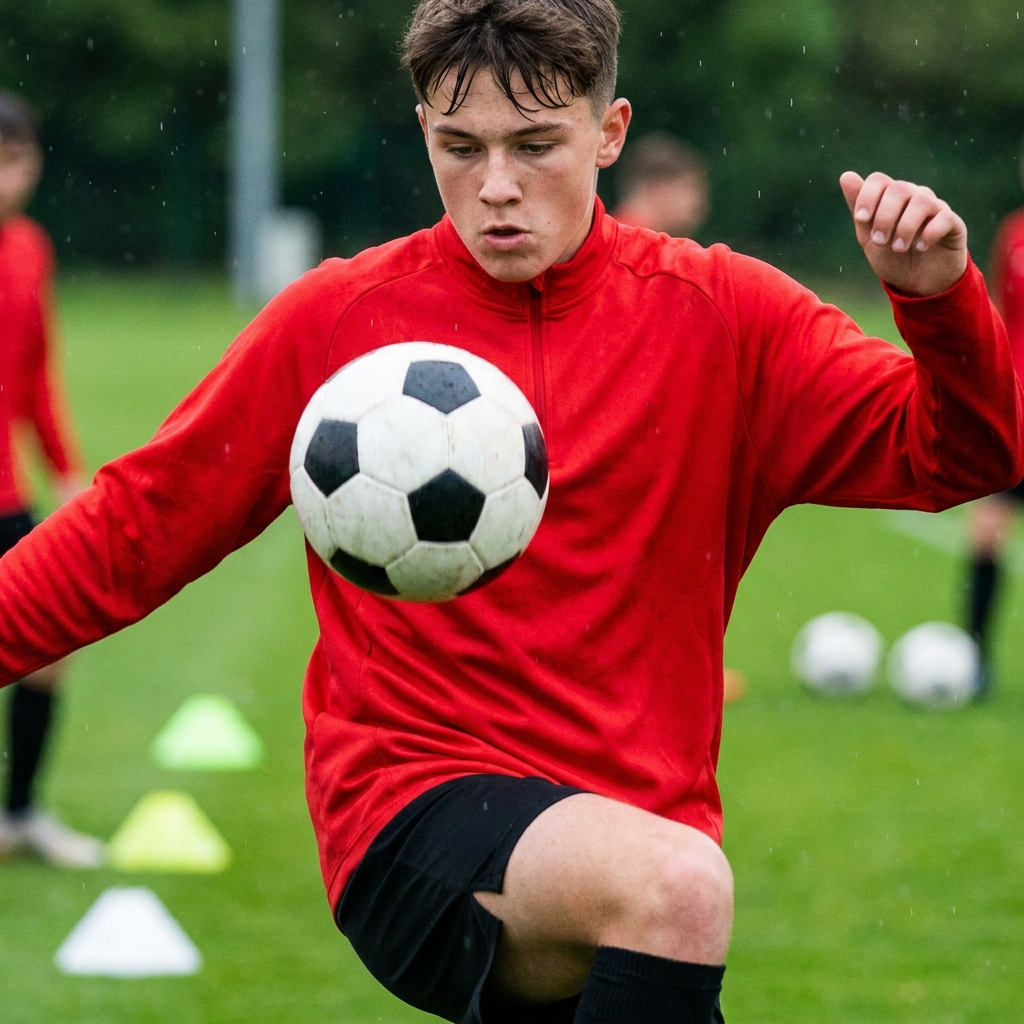
Deliberate heading is now out of U11 grassroots matches. Here is how to coach chest, thigh and foot control so your players still win the ball in the air.
Long-range goals doubled at the 2026 World Cup as teams sat deep. Here is how to coach when to shoot from distance, the technique, and the follow-up.
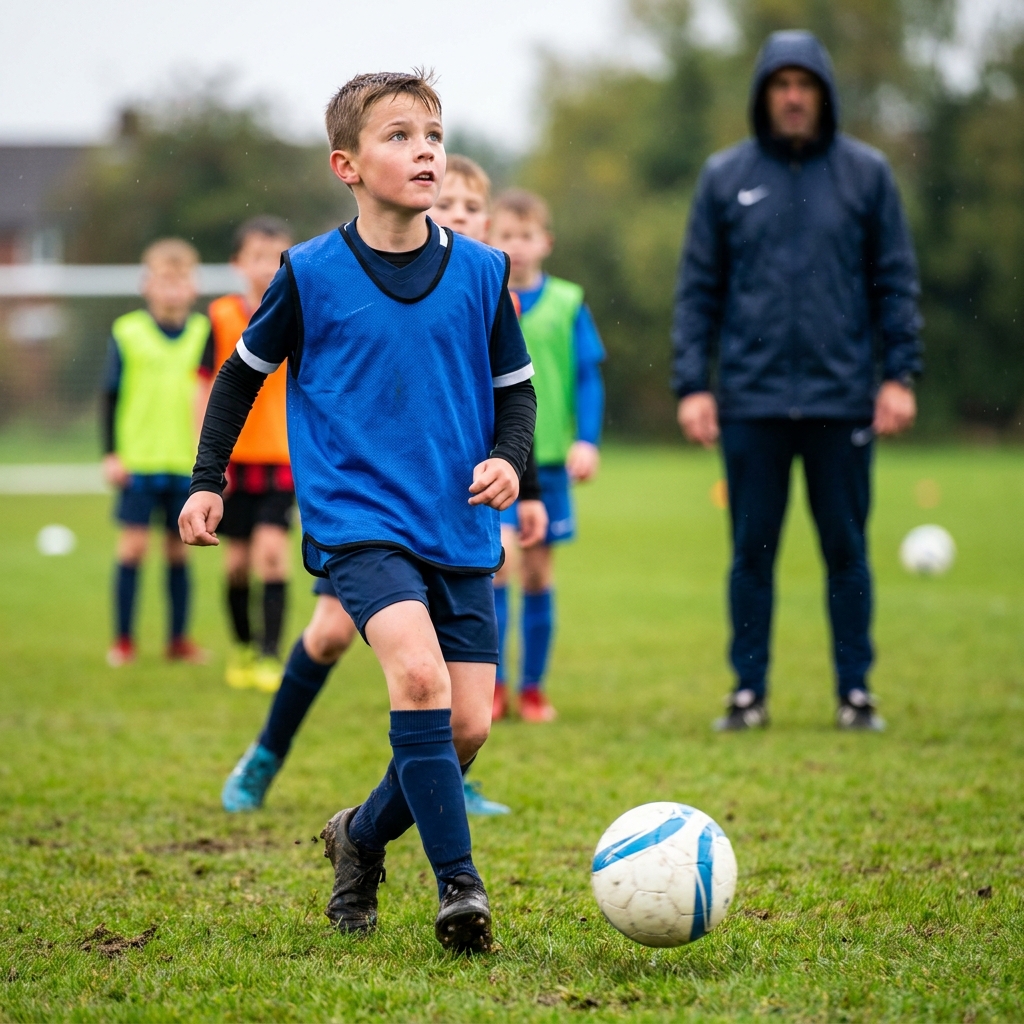
Under FutureFit, your Under-9s stay at 5v5, your Under-11s stay at 7v7 and your Under-13s stay at 9v9. Same pitch, same numbers, one more year. Here is how to make sure that year feels like a step forward rather than a repeat.