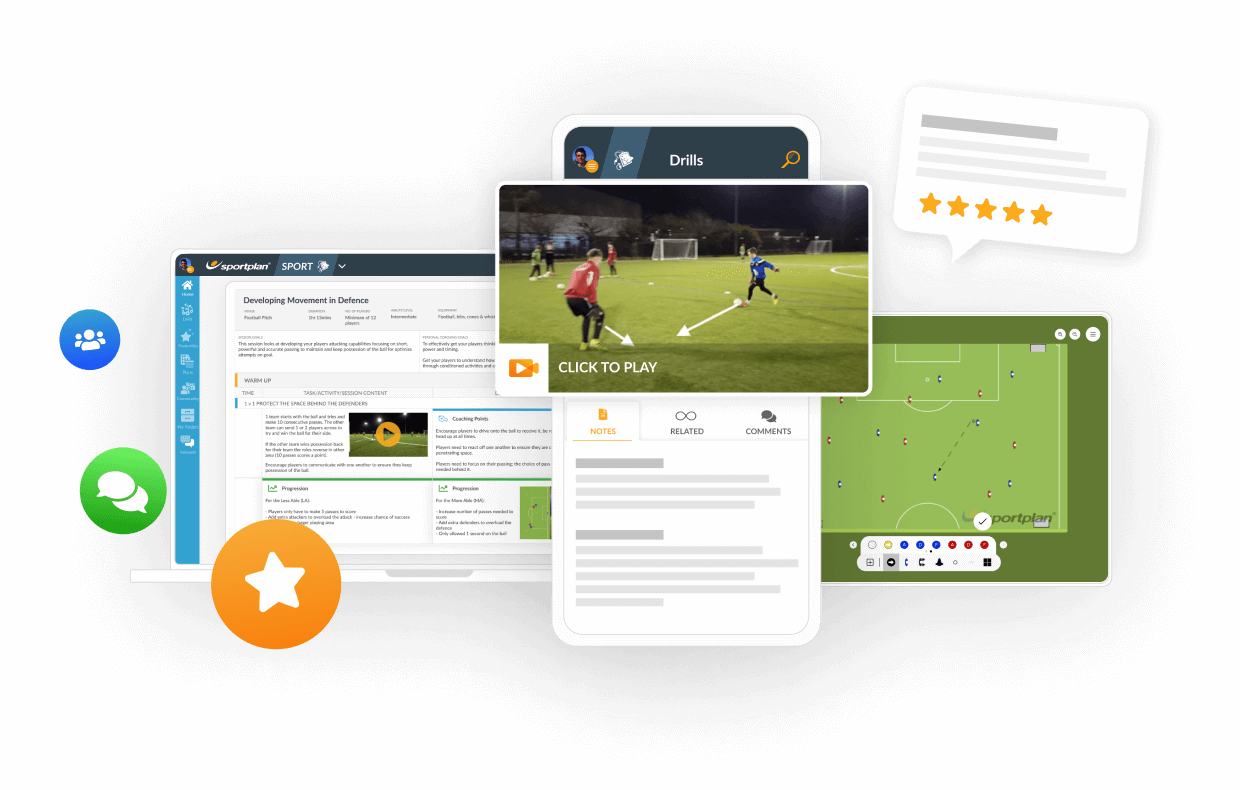
High Intensity drill
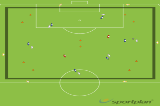
This a 6 vs 2 invasion game. Mark out three areas in a line (each box 15m x 25m) using cones (You can adjust the area based on the level of the players and if it is too easy for the Attackers or Defenders).
Start with 6 players in each of the two end areas and 4 in the middle area.
The aim of this drill is for the 6 players in each end to keep possession of the ball, with those in the middle taking turns to try and win the ball. Players in the end zone have 2 touches maximum or a point goes to the Defenders.
To start, a Feeder will throw the ball into one of the ends. Two Defenders will then move into the relevant end and chase down passes in an effort to win the ball back in a 6 vs 2 game.
The 6 players will be passing the ball amongst themselves. Once they have completed 6 successful passes then they can pass to the opposite end. When this happens, the players left in the middle will enter that end and do the same thing.
The Defenders work for 3 minutes then rotate the playing positions around.
Keep score of how many times they win the ball back in the 3 minutes.
The team that gets the least touches can do a forfeit- e.g high intensity run, or collecting kit in.
Defenders should touch the ball around 8-10 times in 3 minutes. If not then adapt the area size.
The Defenders should:
Team in possession:
To make it harder for the Defenders:
To make it harder for the Attackers:
in more ways than one
 sportplan_netball


in more ways than one
sportplan_football

Deliberate heading is now out of U11 grassroots matches. Here is how to coach chest, thigh and foot control so your players still win the ball in the air.
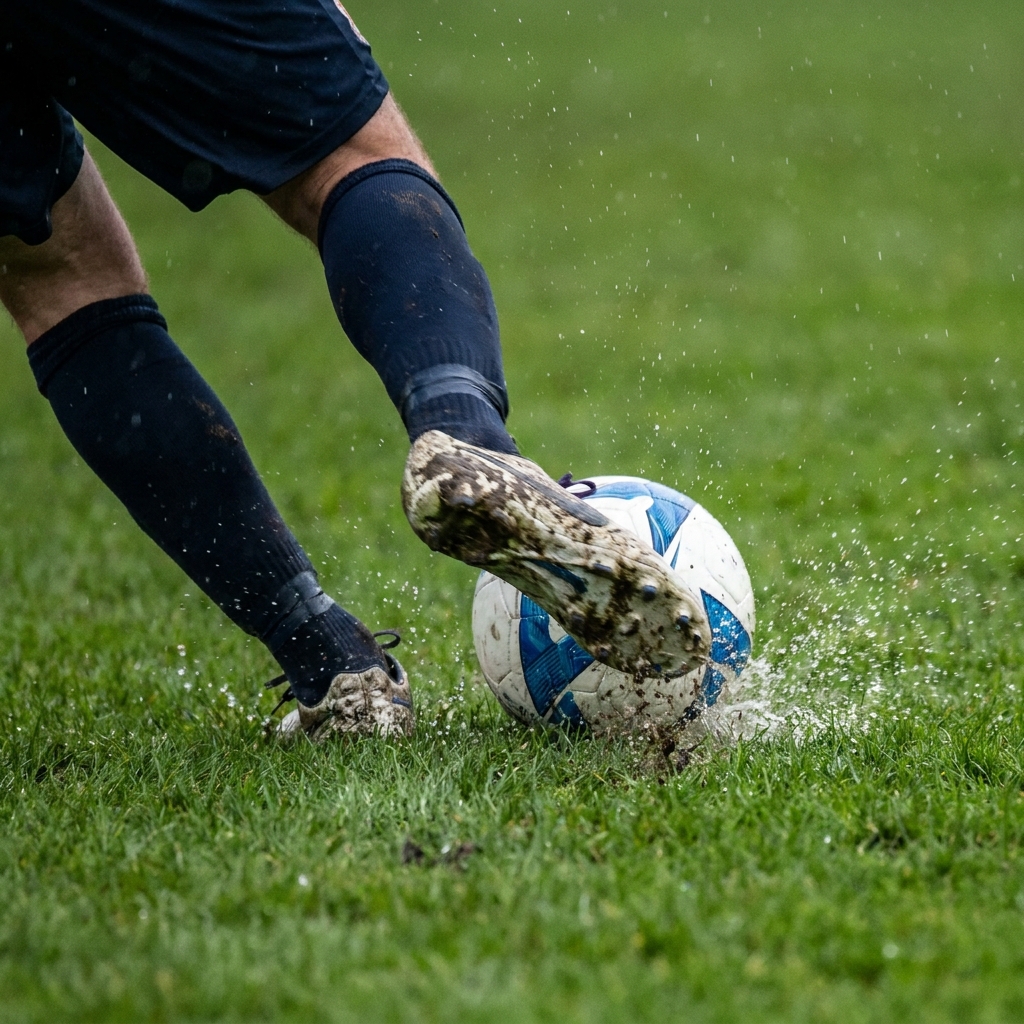
Long-range goals doubled at the 2026 World Cup as teams sat deep. Here is how to coach when to shoot from distance, the technique, and the follow-up.

Under FutureFit, your Under-9s stay at 5v5, your Under-11s stay at 7v7 and your Under-13s stay at 9v9. Same pitch, same numbers, one more year. Here is how to make sure that year feels like a step forward rather than a repeat.