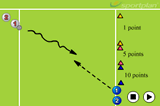
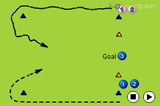
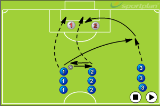
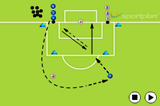
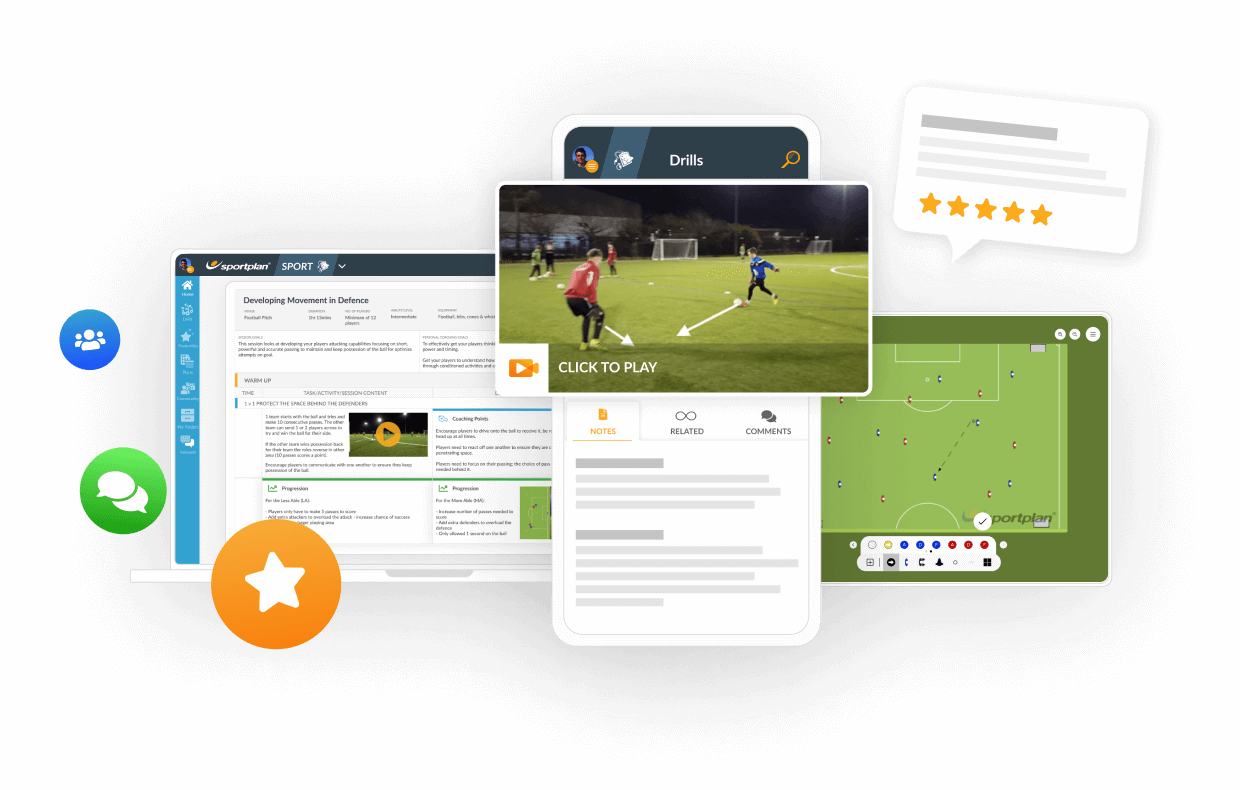
Two teams line up side by side behind their cones. When the player with the ball sets off to run around the cone the drill is live.
The player with the ball must run around the cone and then try to score a goal in the defender's side goal by dribbling the ball across the line. This will score them a point.
The defenders have to try and force the player to run across their own goal line or tackle them and run the ball over the line themselves.
The winner is the first team to 3 goals. After this you can swap the roles around, with the attackers now defending and vice versa.
The defensive player should be patient and not commit themselves too easily or else they may give away an easy goal to the attacking side.
The defenders should stay low and try not to cross over their feet but shuffle and shadow using fast feet.
in more ways than one
 sportplan_netball


in more ways than one
sportplan_football

Deliberate heading is now out of U11 grassroots matches. Here is how to coach chest, thigh and foot control so your players still win the ball in the air.

Long-range goals doubled at the 2026 World Cup as teams sat deep. Here is how to coach when to shoot from distance, the technique, and the follow-up.
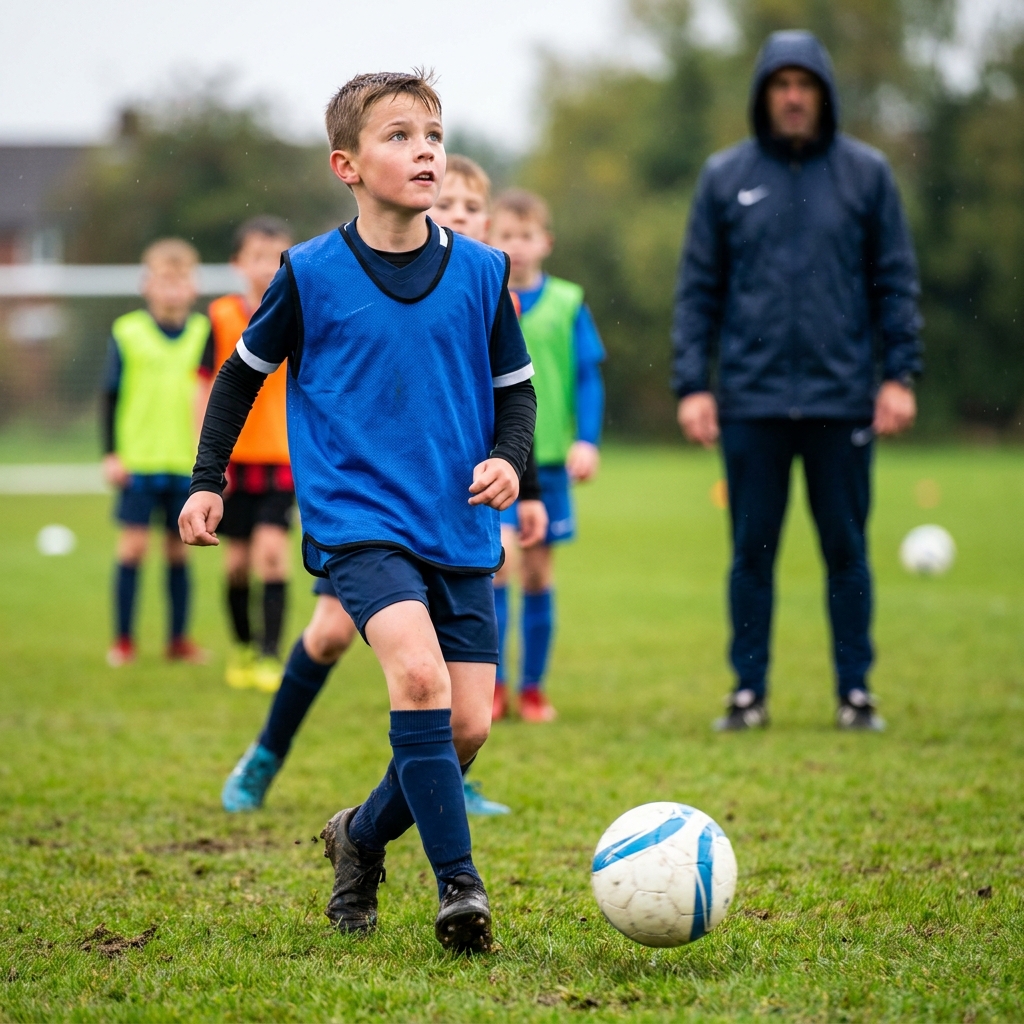
Under FutureFit, your Under-9s stay at 5v5, your Under-11s stay at 7v7 and your Under-13s stay at 9v9. Same pitch, same numbers, one more year. Here is how to make sure that year feels like a step forward rather than a repeat.