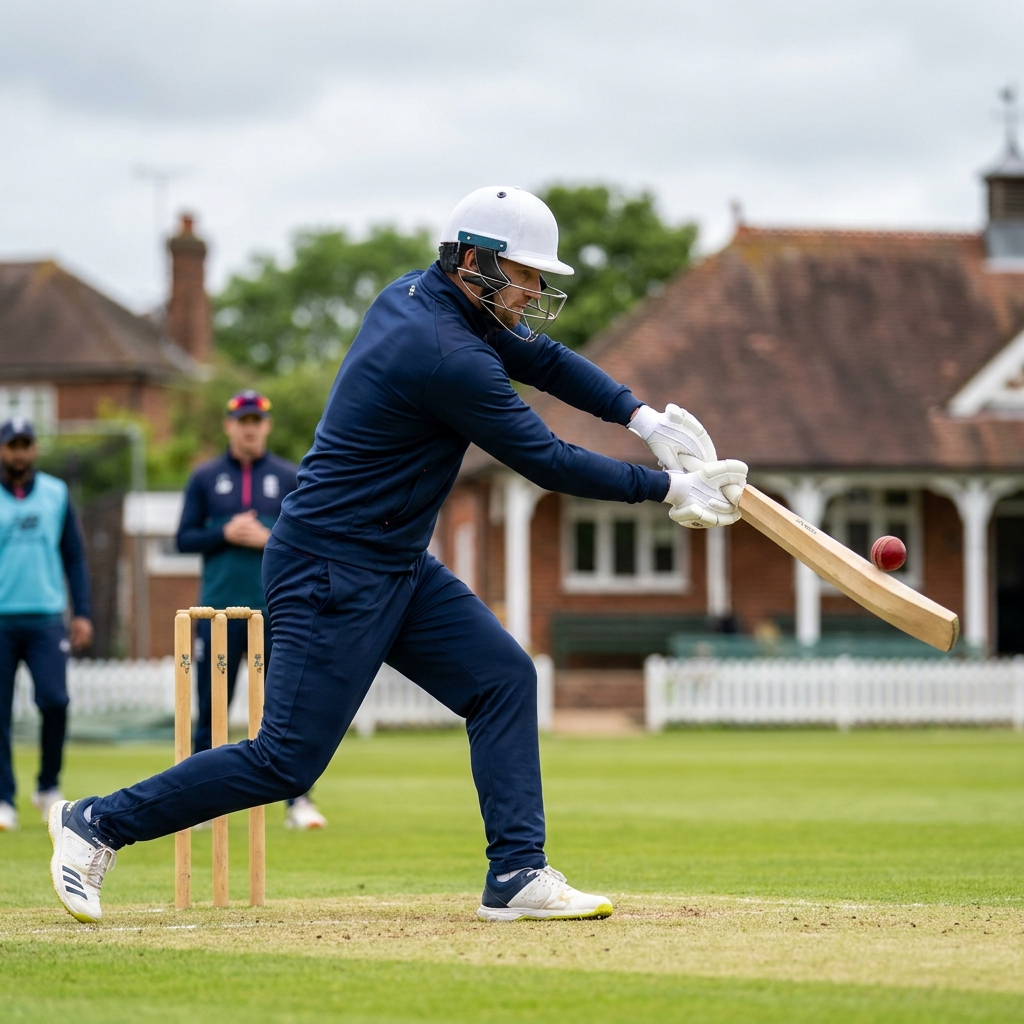
In groups of 4, there must be a bowler, a batsman and two feilders. The bowler must bobble feed a wind ball to the batsman who has to try and drive the ball through two goals which the feilders are protecting. Each participant within the group will recieve 6 balls each (twice), earning one point each time they manage to hit the ball past the two feilders and through the cones.
Ensure that the correct technique is used within every shot and highlight strengths and weaknesses within the groups general performance once each participant has had one go each. After this give them another chance to go through the activity to put what they have learnt about the technique to practice.
This practice has no coaching points
This practice has no progressions
There are currently no more drills being shared in this category

The new Laws of Cricket are in force from 1 October 2026 and the 'bunny hop' boundary catch is gone. Here is how to coach your fielders to catch on the rope this winter.

The covers are on and the last tea has been served. What your club does between now and April decides how the next season starts. Here is a simple, honest winter plan for players, bowlers and juniors.
August is when seasons are decided, and most club games are lost chasing rather than setting. Give your batters a framework for the chase and you win the close ones.


Register for FREE and get coaching tips, top drills, session and more every week!