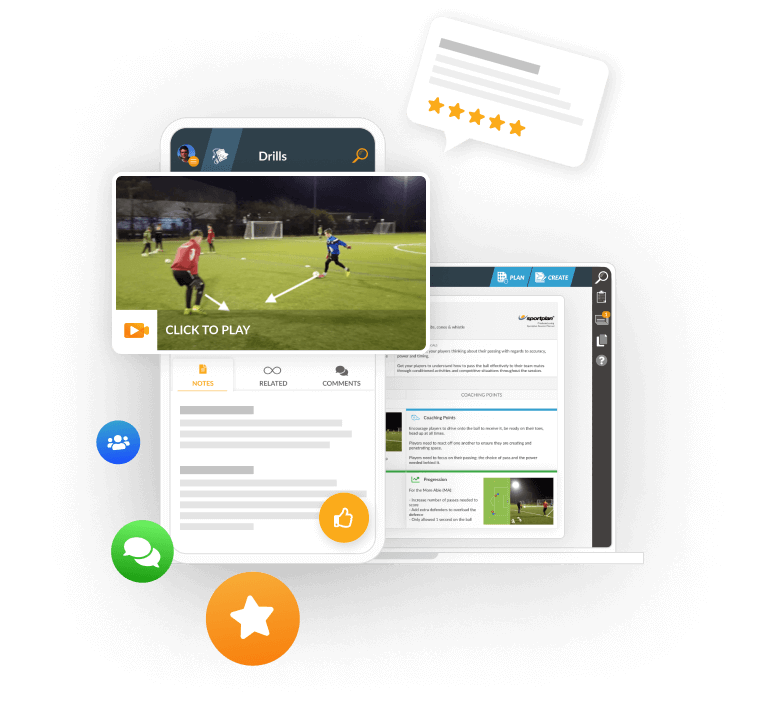
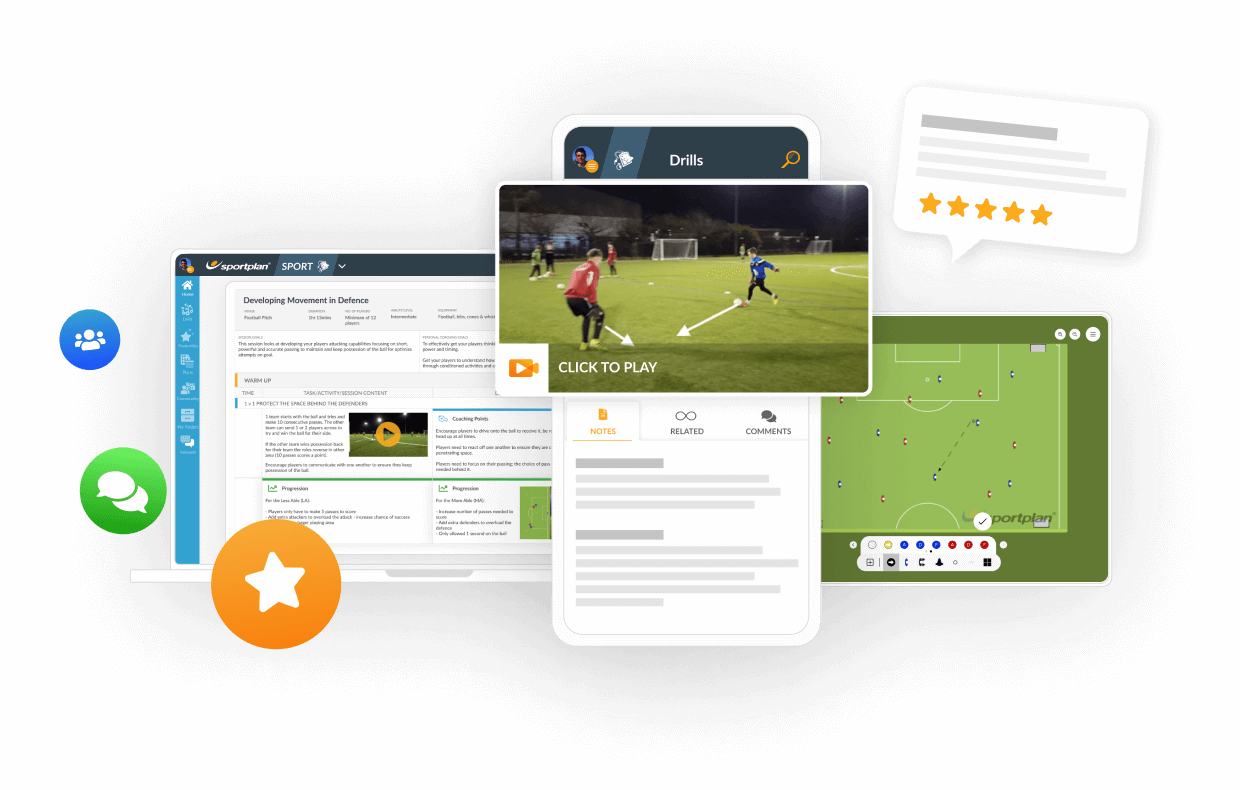
Players start laying the ball off to each other (1 touch passing) and the run around a cone at the corner of the box, this is to simulate movement off the ball as you would in a game. Once around the cone, players run back into the middle to await the next lay off from a team mate. This simulates arrival in the attacking third and we can focus on player technique (when passing) and then movement.
Progression - number different types of pass to call to build in transition within passing, do they have time for an extra touch do they need to play it quickly etc. and maybe give them licence to express by picking the numbers themselves or even the passes if they're feeling brave.
in more ways than one
 sportplan_netball

in more ways than one
sportplan_football
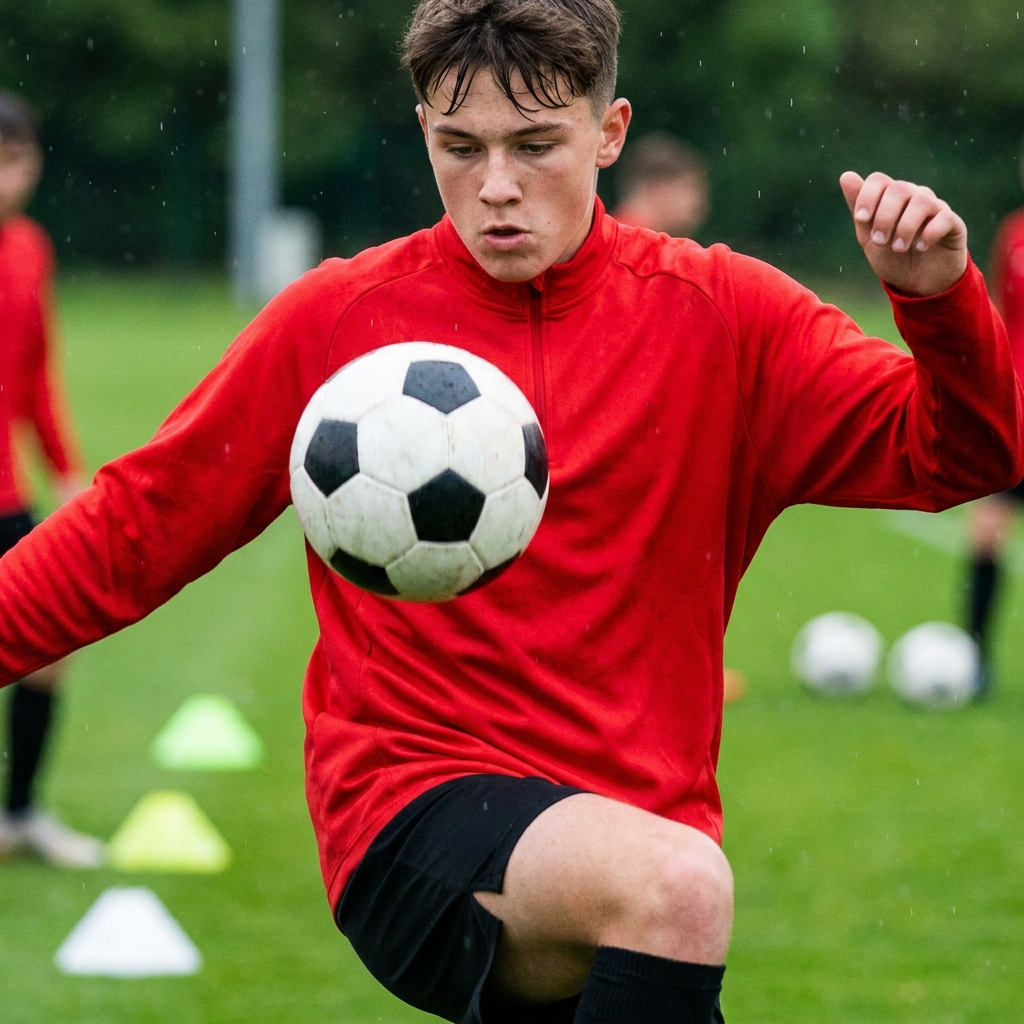
Deliberate heading is now out of U11 grassroots matches. Here is how to coach chest, thigh and foot control so your players still win the ball in the air.
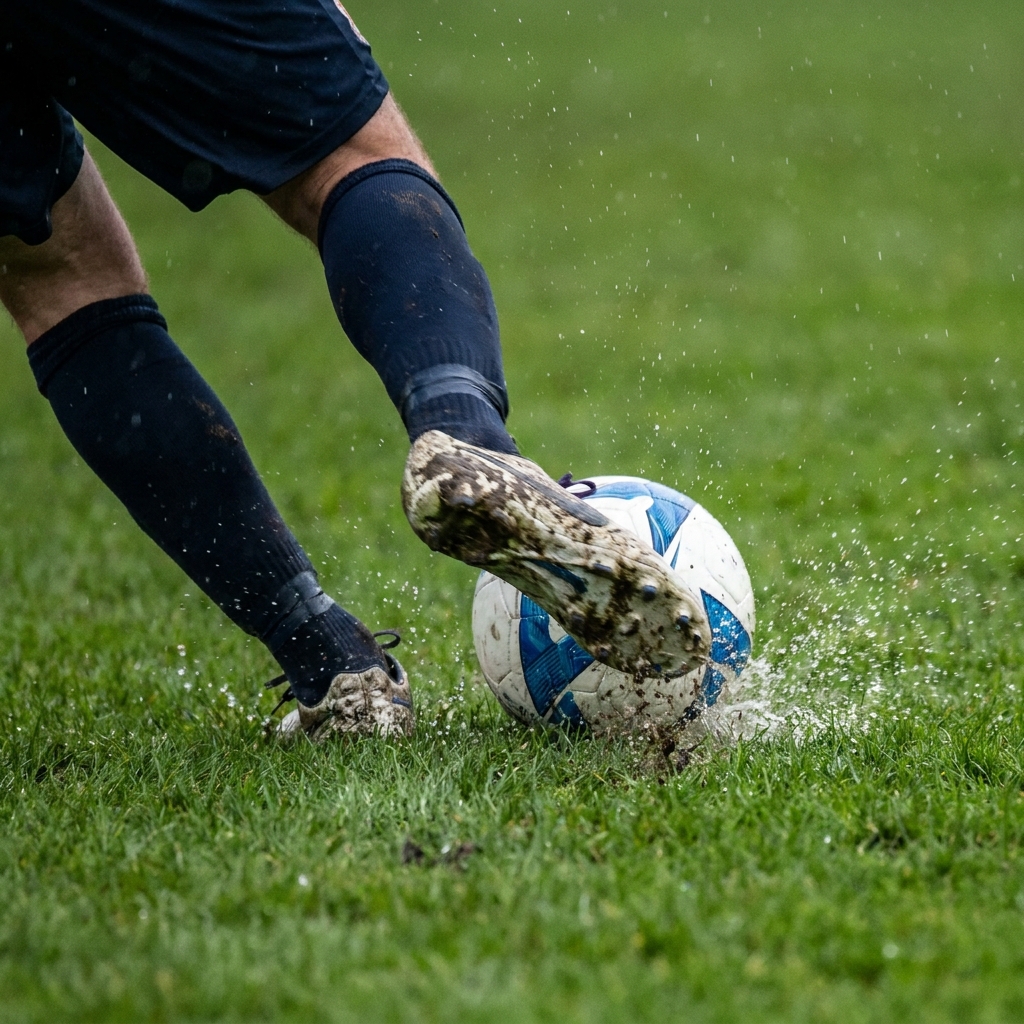
Long-range goals doubled at the 2026 World Cup as teams sat deep. Here is how to coach when to shoot from distance, the technique, and the follow-up.
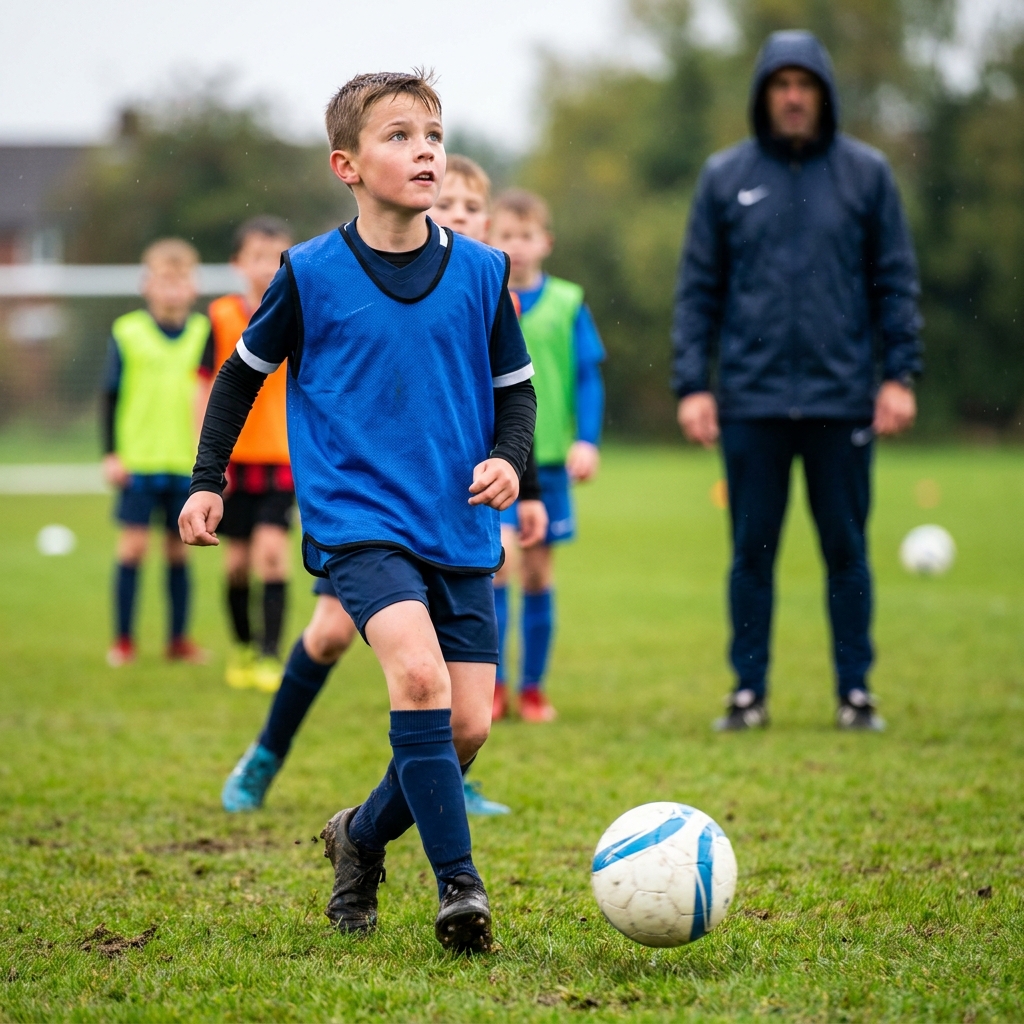
Under FutureFit, your Under-9s stay at 5v5, your Under-11s stay at 7v7 and your Under-13s stay at 9v9. Same pitch, same numbers, one more year. Here is how to make sure that year feels like a step forward rather than a repeat.