Crossing drill that uses short and long passes with the added pressure of defenders and a keeper.
Ball is played out from Centre back to the Centre midlfielder, who then plays the ball to the full back.
Who plays a lofted pass to the striker making them control the ball then lay the ball off the the Central midfielder for a first time pass out into the corner.
Where the full back will of made his oerlaping run to play either a first time cross or a driven pass to the each of the box.
For the striker who is running to the back post after spinning off the cone, the central midfielder who is running front post, or the Centre back who is sitting edge of the box.
Whilst this is happening defenders are getting into positions to mark the 3 attackers or mark the space in the box, or one of the defenders will go out and apply pressure to attacking team.
Play stops when ball is out of play or goal has been scored.
This exercise takes place on both sides of the half working the deffence from the left side and the right to improve the crossing, short and long passing and working on communication of both the attacking team and the defending team.
Firm passes to feet, lots of talking to team mates.
Using cones as inactive defenders to put a small amount of pressure on the attacking teams first touch and control of the ball.
Making it a nice fast tempo to put pressure on the defenders.
Full back must either cross the ball with no pressure or have to take on the oncoming defender to then cross into the box. If the full back does not get an oncoming defender they must decide where to cross the ball or drive into the goal for a shot themselves.

in more ways than one
 sportplan_netball


in more ways than one
sportplan_football
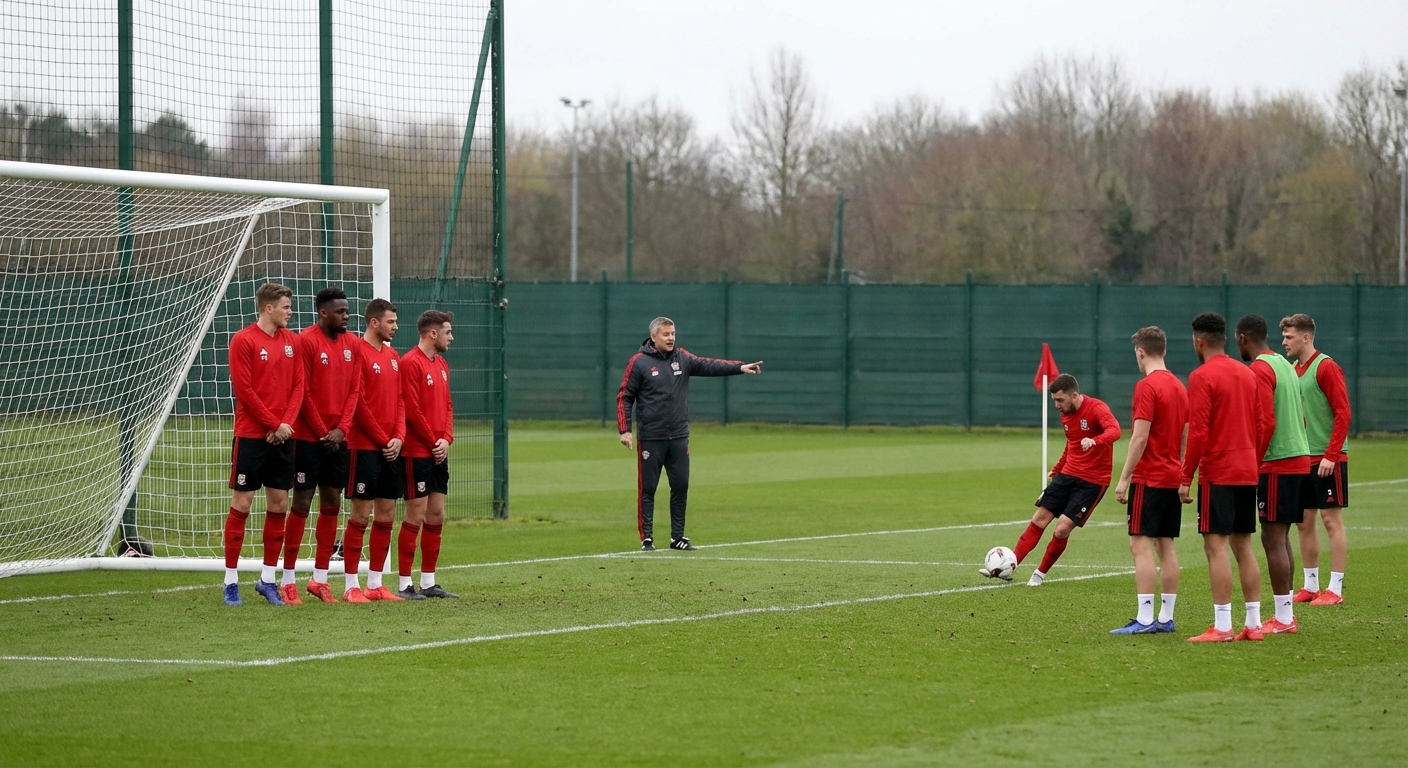
Set pieces account for roughly a third of all goals in football, yet many coaches spend surprisingly little time coaching defensive organisation at corners and free kicks. This article compares zonal and man marking systems, explores hybrid approaches, and provides a practical session structure for building set piece resilience into your team.
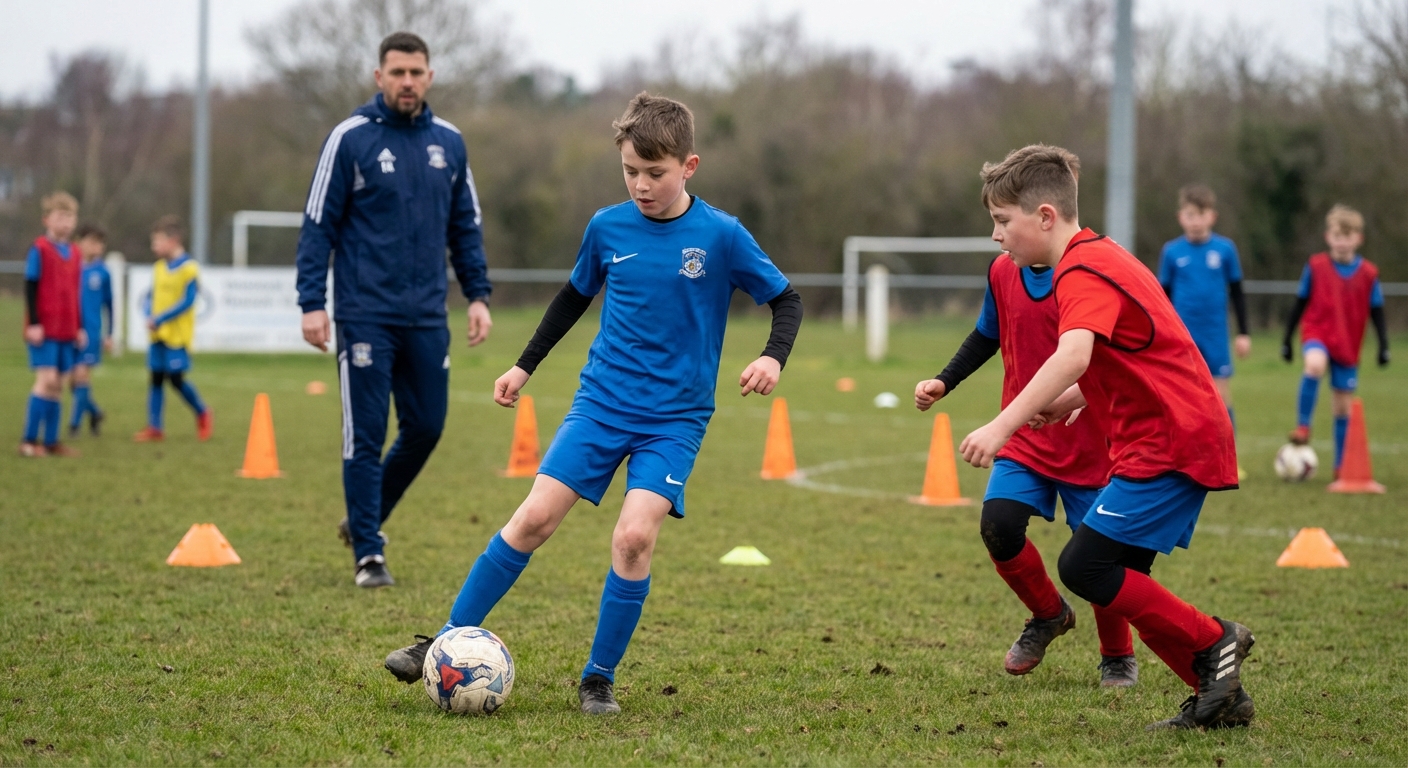
A player's first touch determines everything that follows: whether they can play forward, turn, or simply retain the ball. This article explores why training first touch in isolation is not enough, and how to design sessions that develop this critical skill under realistic game pressure.
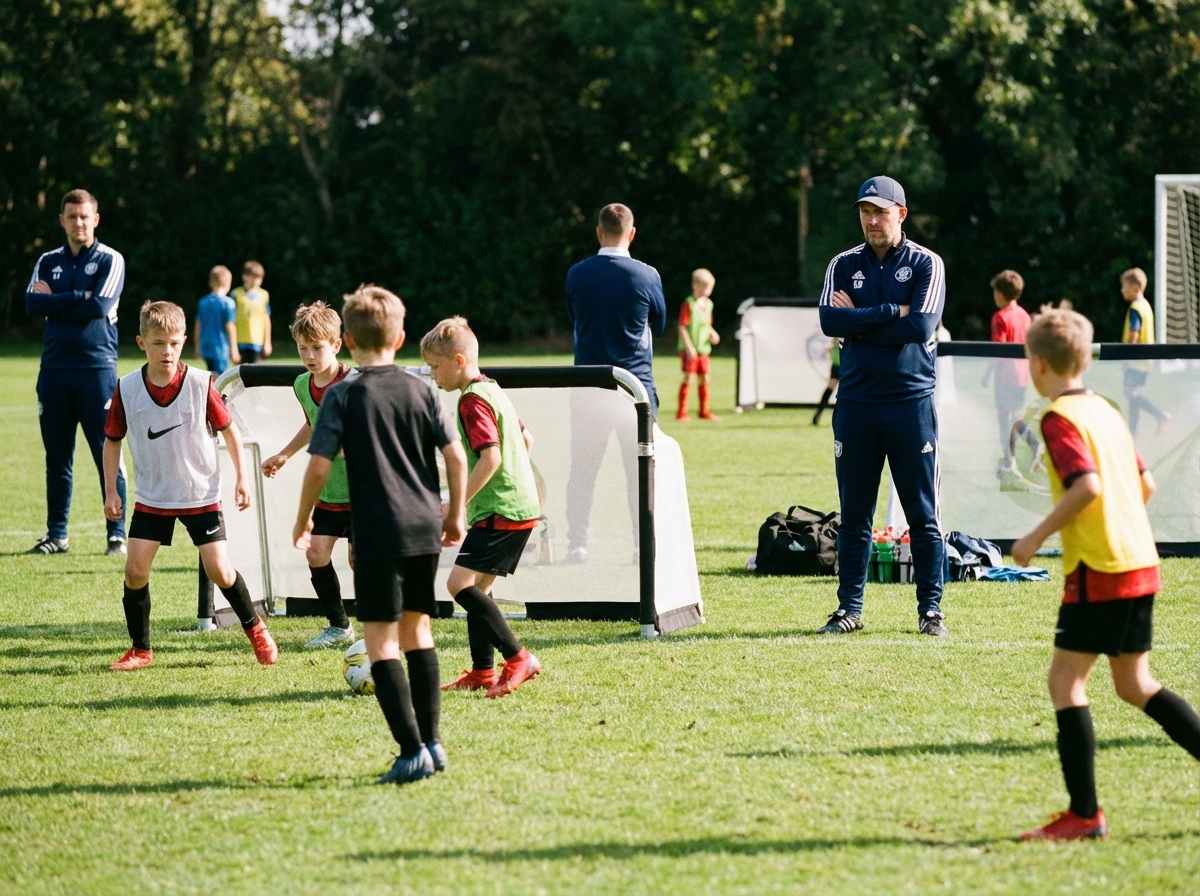
The coaching methodology revolution sweeping grassroots football - and how to implement it at your club this season.