Yellow Back 4 and 2 CM's - less opposed practice to get the Starting XI comfortable and familiar with movement off the ball and be confident with decision making when looking to penetrate in the final third or from deeper. Get CB's thinking and splitting wide to allow DdJ to drop in as 3rd CB to create overload and to push full backs on to try and recieve high up the pitch.
Red team starts exercise with ball on half way - main aim to create overloads in wide areas through full backs getting in to advanced areas and being aggressive in the final 3rd.
or through incisive balls in the final third to open up the back four, chipped in behind or slid in behind FB's/Splitting CB's
Encourage Red wide players to take full backs inside to open up space for full back to venture into the vacant space thus creating 2 v1 on the opposition full back. Red midfielders need to get on the ball and be barve- look forwards to open up tea defending deep. Must be creative and not resort to straight balls from deep. Need good rotation from front three and No.10 to create pockets of space for each other and themselves.
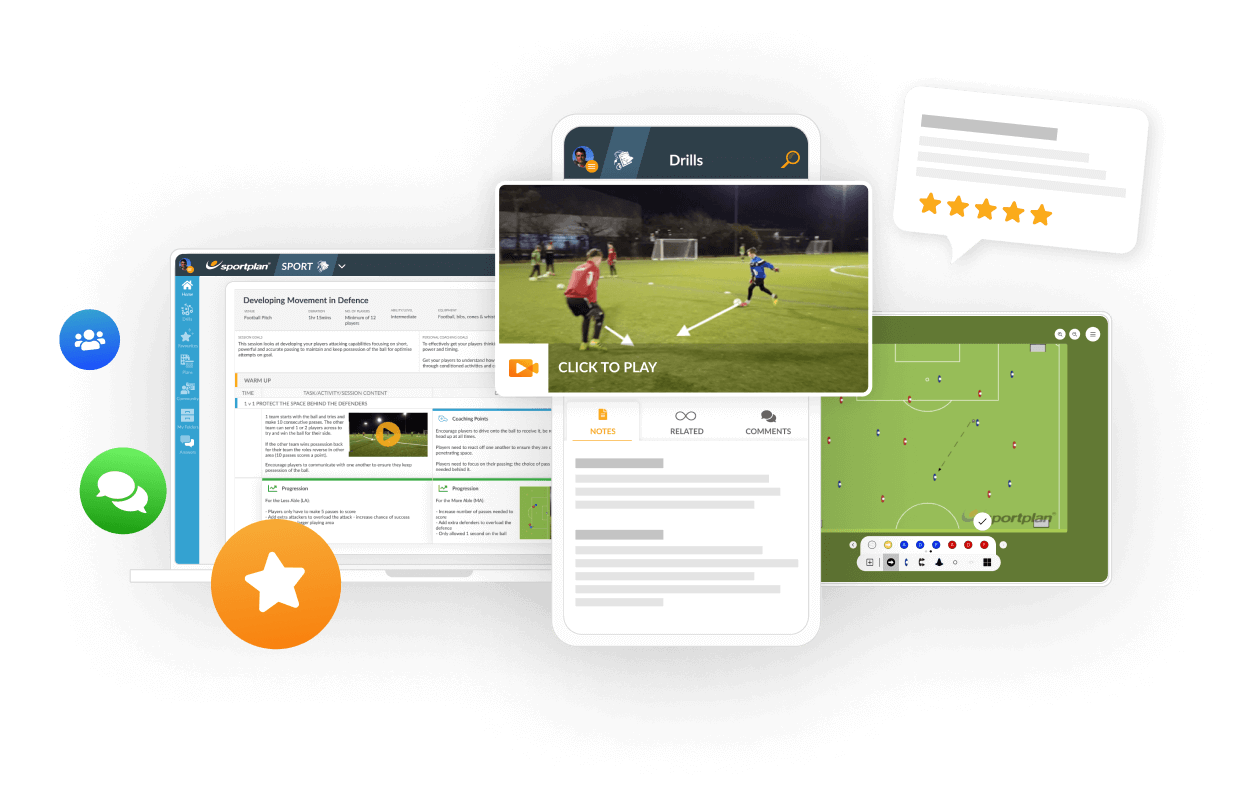
in more ways than one
 sportplan_netball

in more ways than one
sportplan_football

Deliberate heading is now out of U11 grassroots matches. Here is how to coach chest, thigh and foot control so your players still win the ball in the air.

Long-range goals doubled at the 2026 World Cup as teams sat deep. Here is how to coach when to shoot from distance, the technique, and the follow-up.
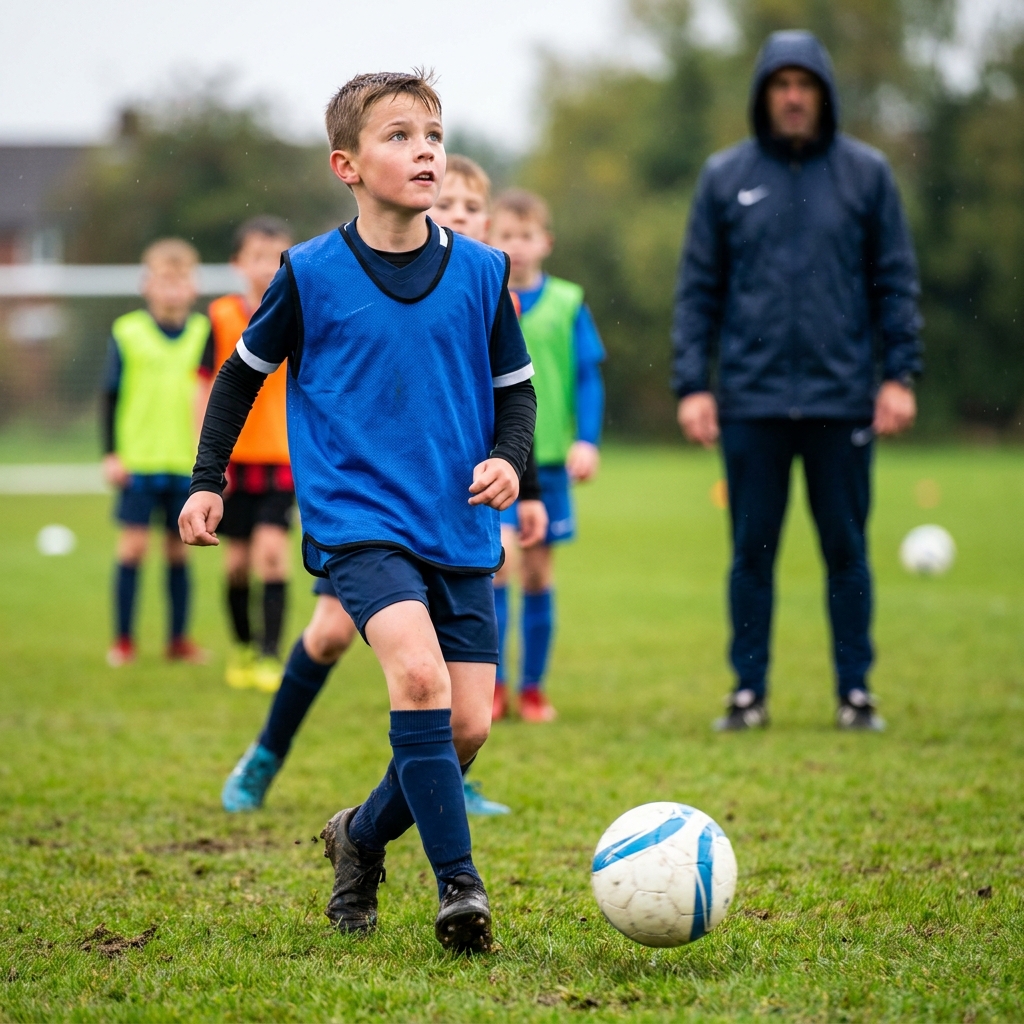
Under FutureFit, your Under-9s stay at 5v5, your Under-11s stay at 7v7 and your Under-13s stay at 9v9. Same pitch, same numbers, one more year. Here is how to make sure that year feels like a step forward rather than a repeat.