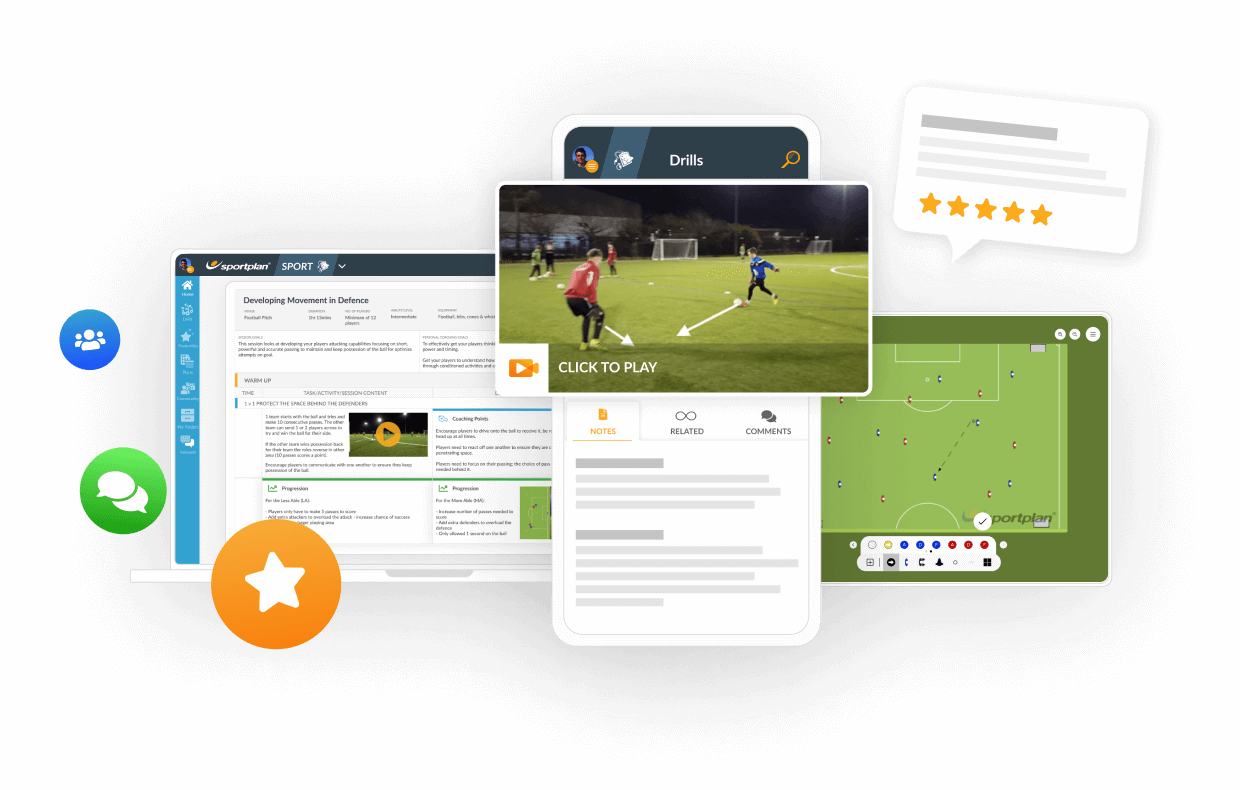
headers
volleys inside then outside foot
chest volleys
normal pass on ground inside of foot then outside of foot,
PROGRESSION 1
on coaches command pass ball to another group and continue
PROGRESSION 2
join 2 groups and continue with ball play on ground movemnet of ball
Quick Footwork & Composure: Moving the feet quickly in between actions is important so the player can get into the best position possible to deal with the serve. Being on the toes and having good concentration will allow the player to respond quickly to the direction of the ball. Being in control of the body, with the help from good footwork will assist completing the action. Not panicking or rushing the action when the serve is played in will also enable the action to be performed successfully.
Weight & Quality of Pass: As the drill progresses to a group of 6, the weight of pass becomes important to allow the ball to be moved quickly in between players. Players should aim to have a maximum of 2 touches to keep the speed of the drill high. The pass should be aimed towards the back foot so the player can turn and play the next pass quickly.
Awareness & Concentration: Players need to be aware of their team mates position before passing them the ball. This means players constantly scanning being aware so they pass the ball into their feet. As the ball is being moved quickly, the concentration is also important to recognise player movements and the position of the ball in relation to where they are.
in more ways than one
 sportplan_netball

in more ways than one
sportplan_football
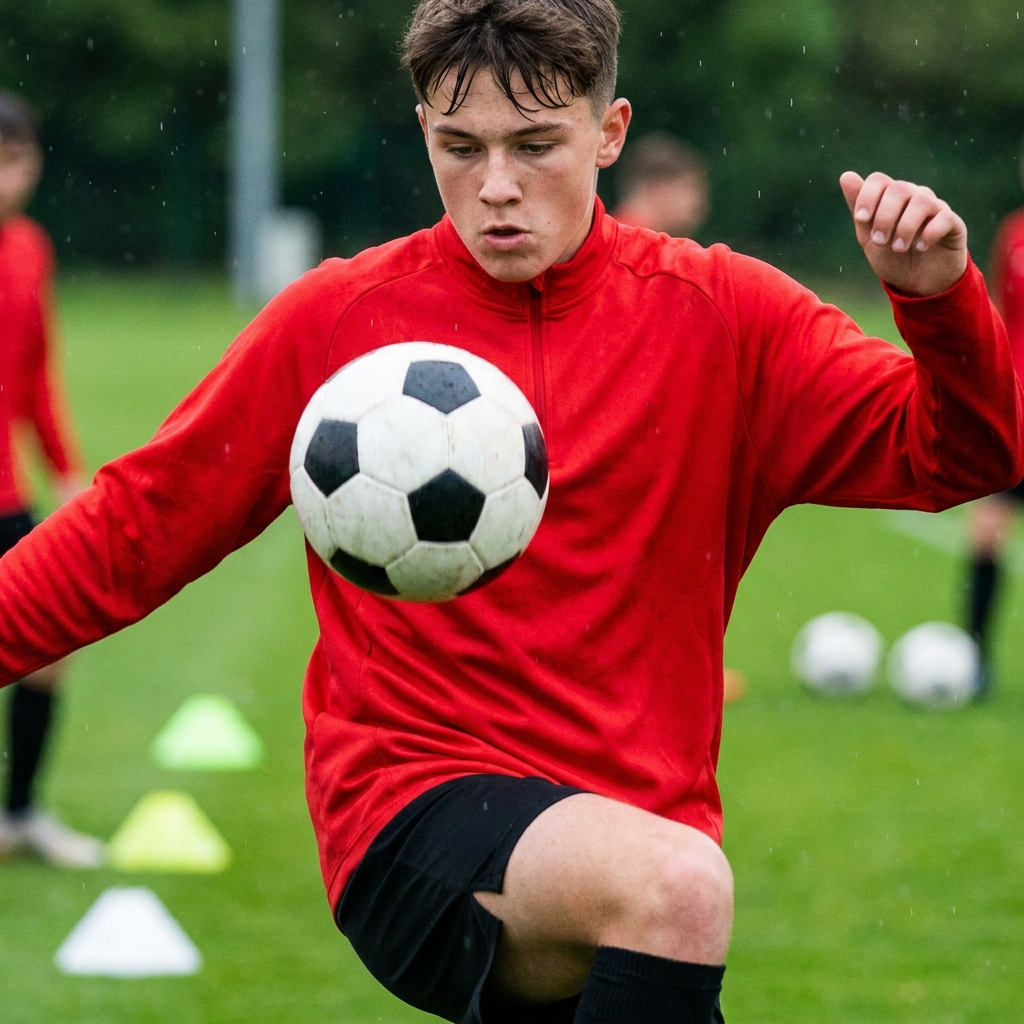
Deliberate heading is now out of U11 grassroots matches. Here is how to coach chest, thigh and foot control so your players still win the ball in the air.
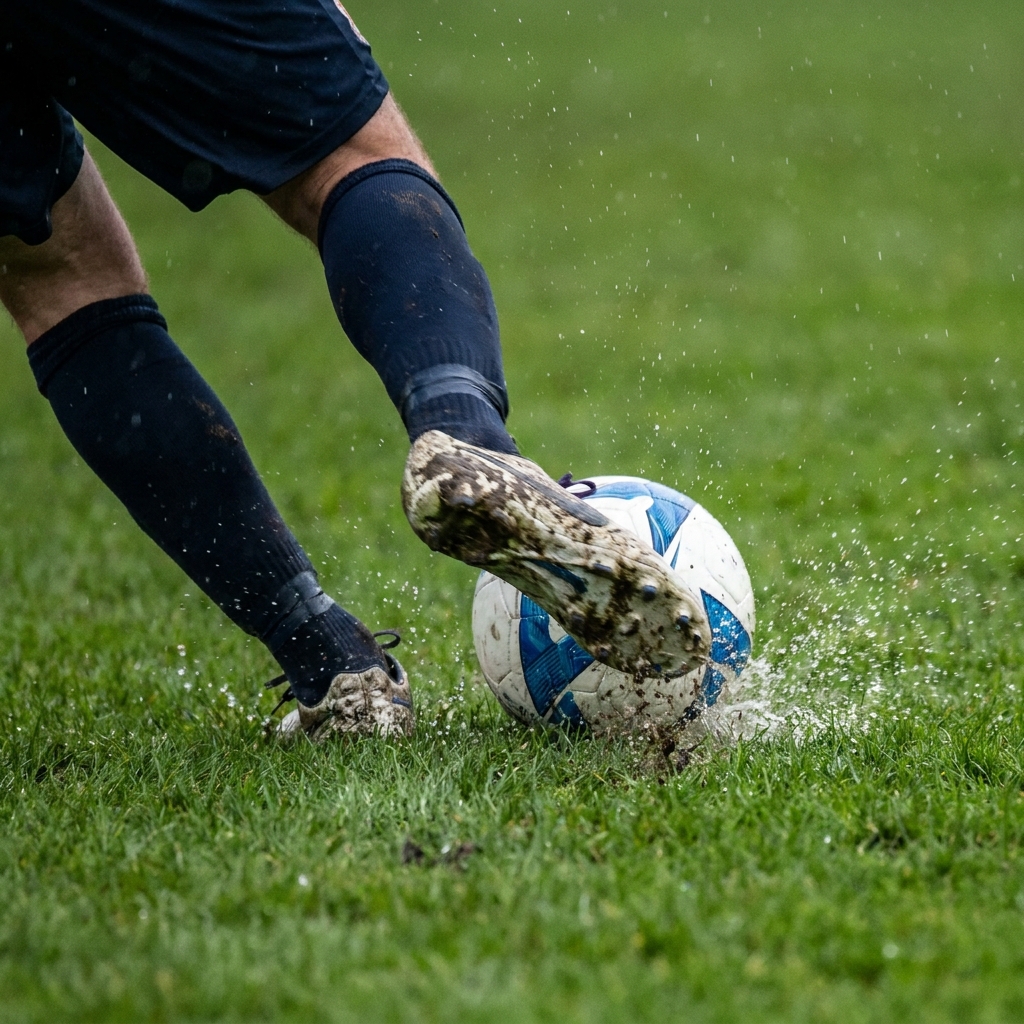
Long-range goals doubled at the 2026 World Cup as teams sat deep. Here is how to coach when to shoot from distance, the technique, and the follow-up.
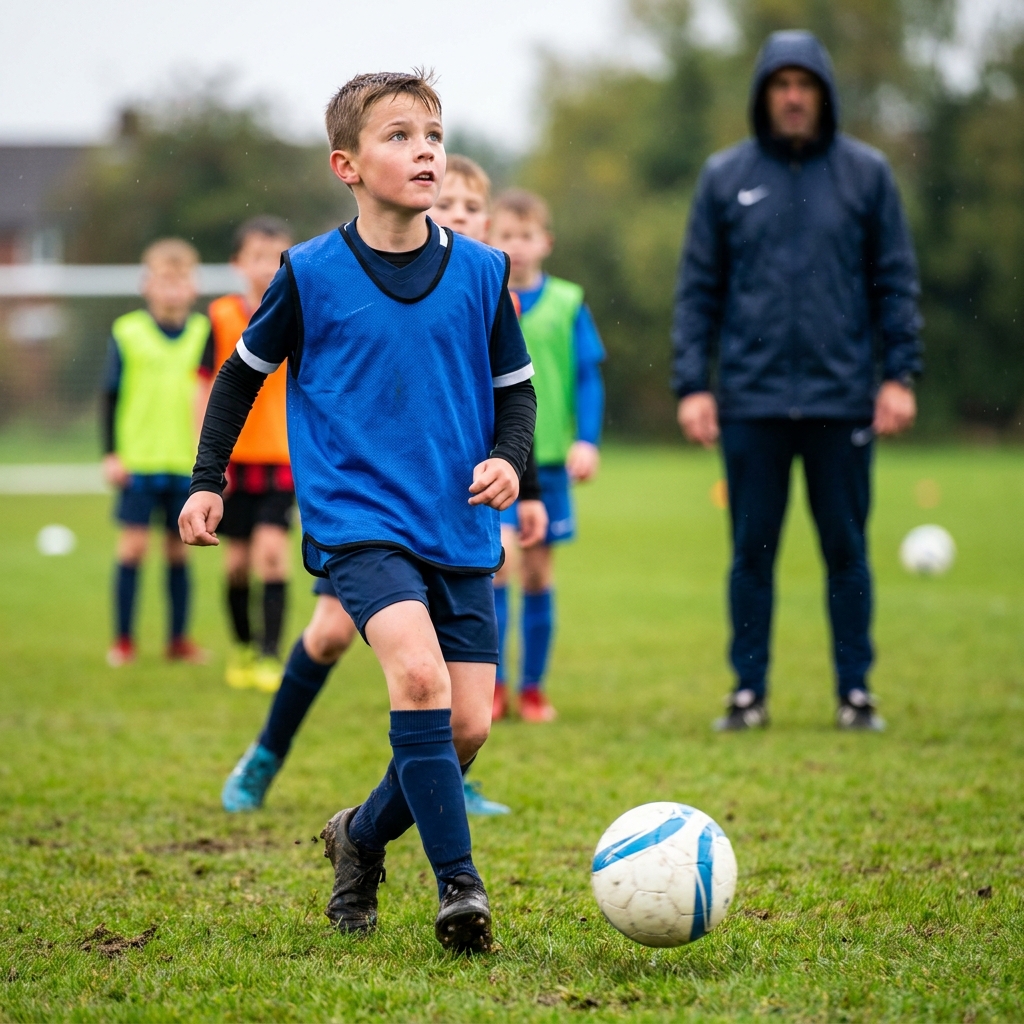
Under FutureFit, your Under-9s stay at 5v5, your Under-11s stay at 7v7 and your Under-13s stay at 9v9. Same pitch, same numbers, one more year. Here is how to make sure that year feels like a step forward rather than a repeat.