

Set up a large grid with a ‘bank’ in each corner. Divide the grid halfway
down the middle and create two even teams. Each team is responsible for defending the two banks on their own half. Be sure that when the game starts, the banks on each side contain the same number of balls.
When the game begins, the two teams attempt to steal soccer balls from the
opposing team’s two banks and dribble them back to their own.
Player’s are considered ‘safe’ on their own half of the grid. However, when a
player enters the other side, the opposition can tag them. In the event that a
player gets tagged they must sit down and can only be rescued if a
teammate comes and high fives them. When successfully rescued, both
players get a free pass to walk back to their own side safely.
players are also safe while inside the opposing team’s bank.

in more ways than one
 sportplan_netball



in more ways than one
sportplan_football

Under FutureFit, your Under-9s stay at 5v5, your Under-11s stay at 7v7 and your Under-13s stay at 9v9. Same pitch, same numbers, one more year. Here is how to make sure that year feels like a step forward rather than a repeat.
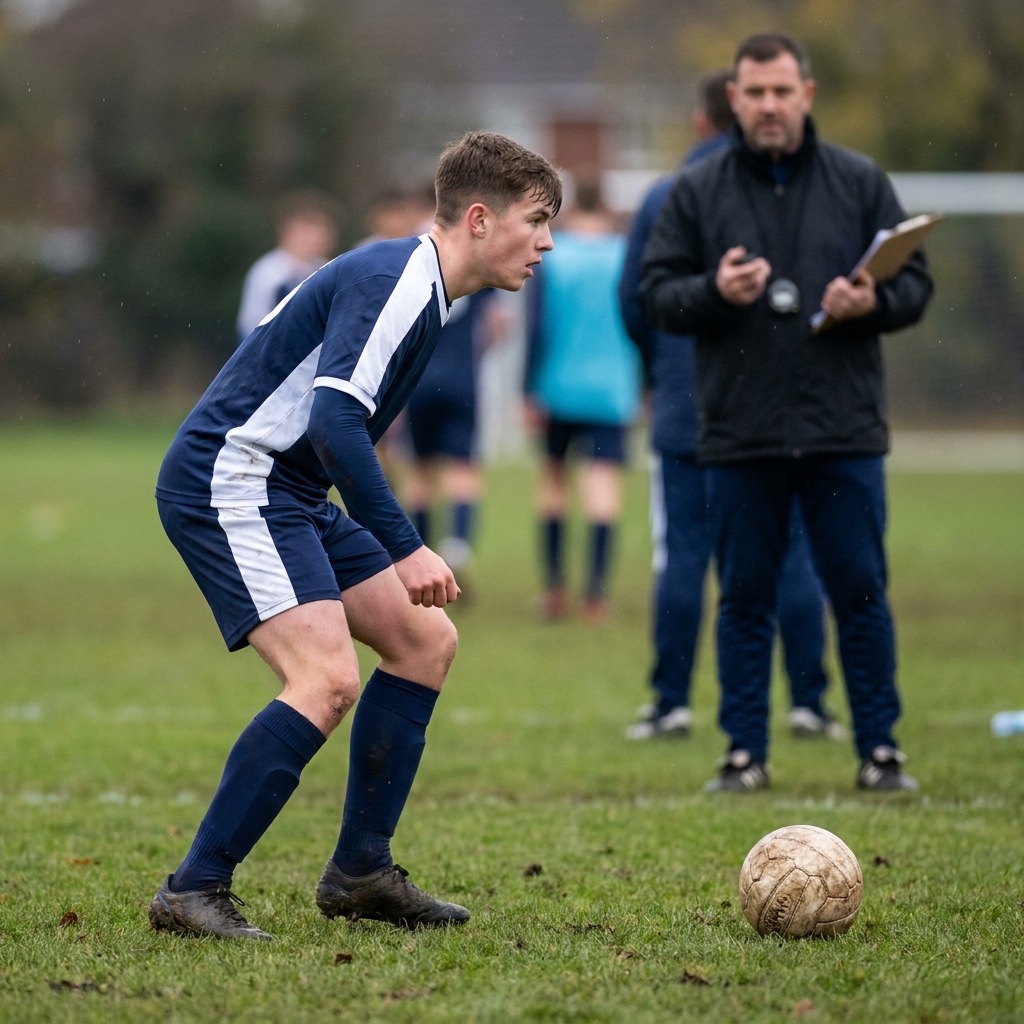
Most 1v1s are lost in the first second, when the defender rushes in and dives. Teach your players to slow the attacker down, take away the dangerous option and pick the right moment, and they will win far more of them.

The FA's FutureFit framework lands this season, bringing a 3v3 entry format at Under-7s. Here is what actually changes on a Saturday morning, and how to coach it well.









