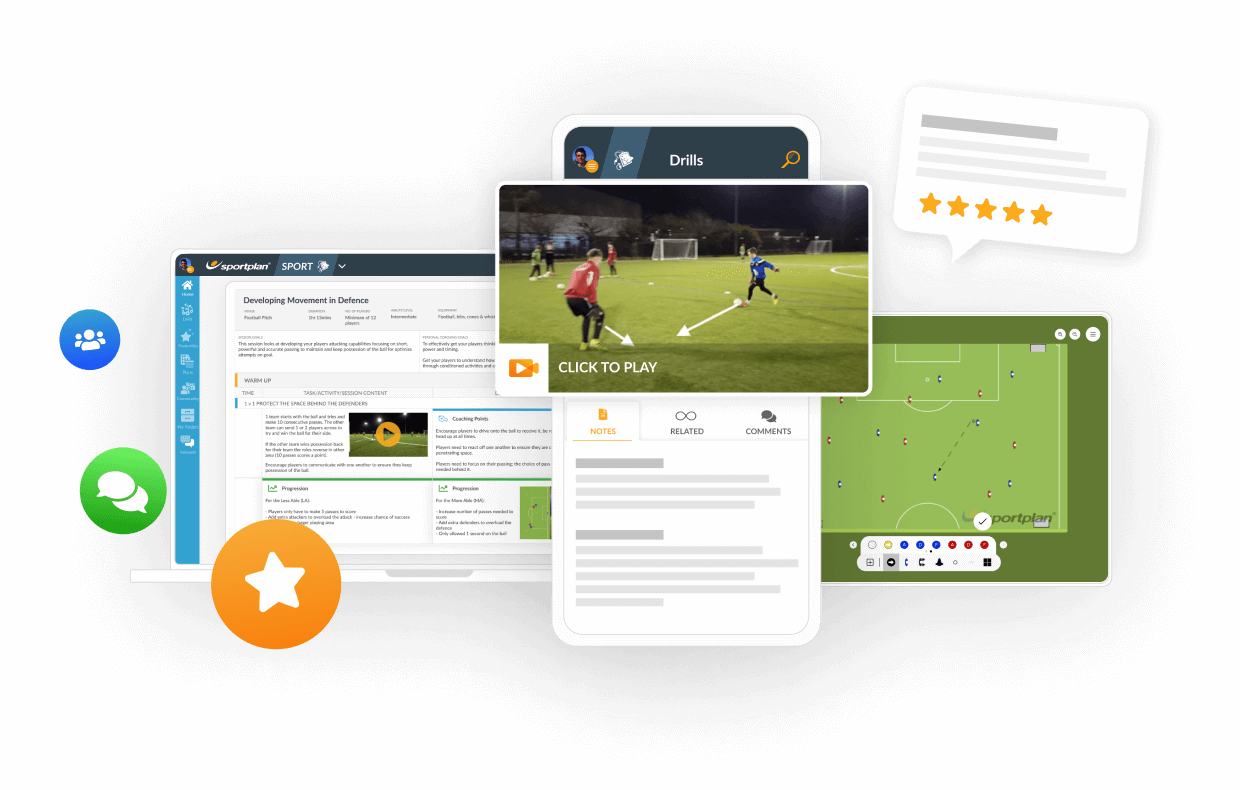
4 Stations. Roughly 10 min on each with 5 min breaks in between for water.
Station Number 1: Moving Right then left. Cones are 5m apart. Must touch the top of cones with right hand first, then left hand. Then sprint 10 metres to finish. Start in the middle.
Progressions: 1. First left then right. 2. Coach calls side.
Station Number 2: Players stand in the middle of a square 5x5m. Number the cones by numbers or colours. Once player reaches the cone he must come back to the centre. 20 sec rest for 10 sec.
Progressions: 1. Server adds a header after every cone. 2. 5th cone behind the square and then pass back to the server. 3. Server rolls the ball and applies passive pressure while player shields the ball and moves around the grid.
Station Number 3: Exploding speed. In pairs move left to right until hear a command sprint. High knees and toe up, elbows. Opposite knee and opposite elbow. On command sprint for 10m.
Progressions 1: Switch between who's forwards and who's backwards so the advantage switches over.2. Isolate the muscles - players land on the outside foot and hold for a split second. Very careful on how you land and hold.
Station number 4: Slalom. No progressions. time each player. 4 or 5 reps.
in more ways than one
 sportplan_netball


in more ways than one
sportplan_football

Deliberate heading is now out of U11 grassroots matches. Here is how to coach chest, thigh and foot control so your players still win the ball in the air.
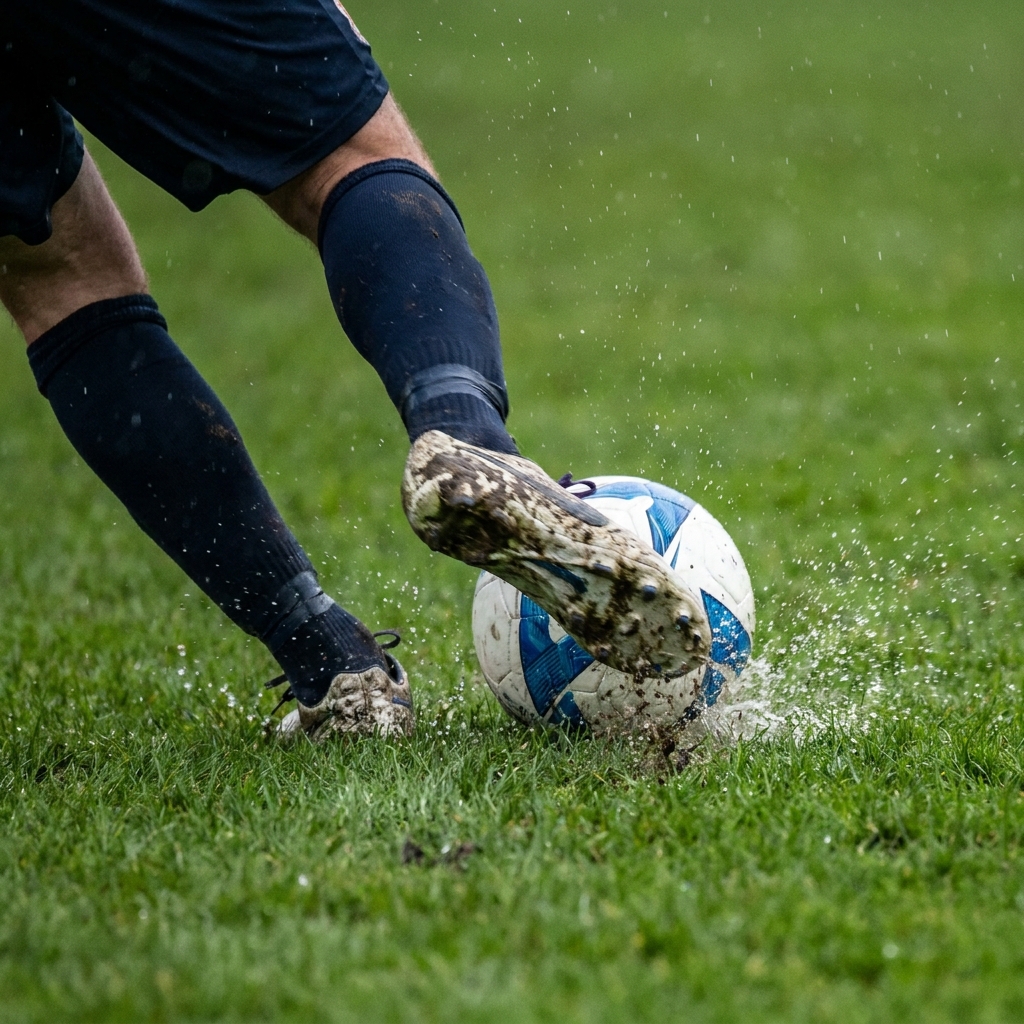
Long-range goals doubled at the 2026 World Cup as teams sat deep. Here is how to coach when to shoot from distance, the technique, and the follow-up.

Under FutureFit, your Under-9s stay at 5v5, your Under-11s stay at 7v7 and your Under-13s stay at 9v9. Same pitch, same numbers, one more year. Here is how to make sure that year feels like a step forward rather than a repeat.