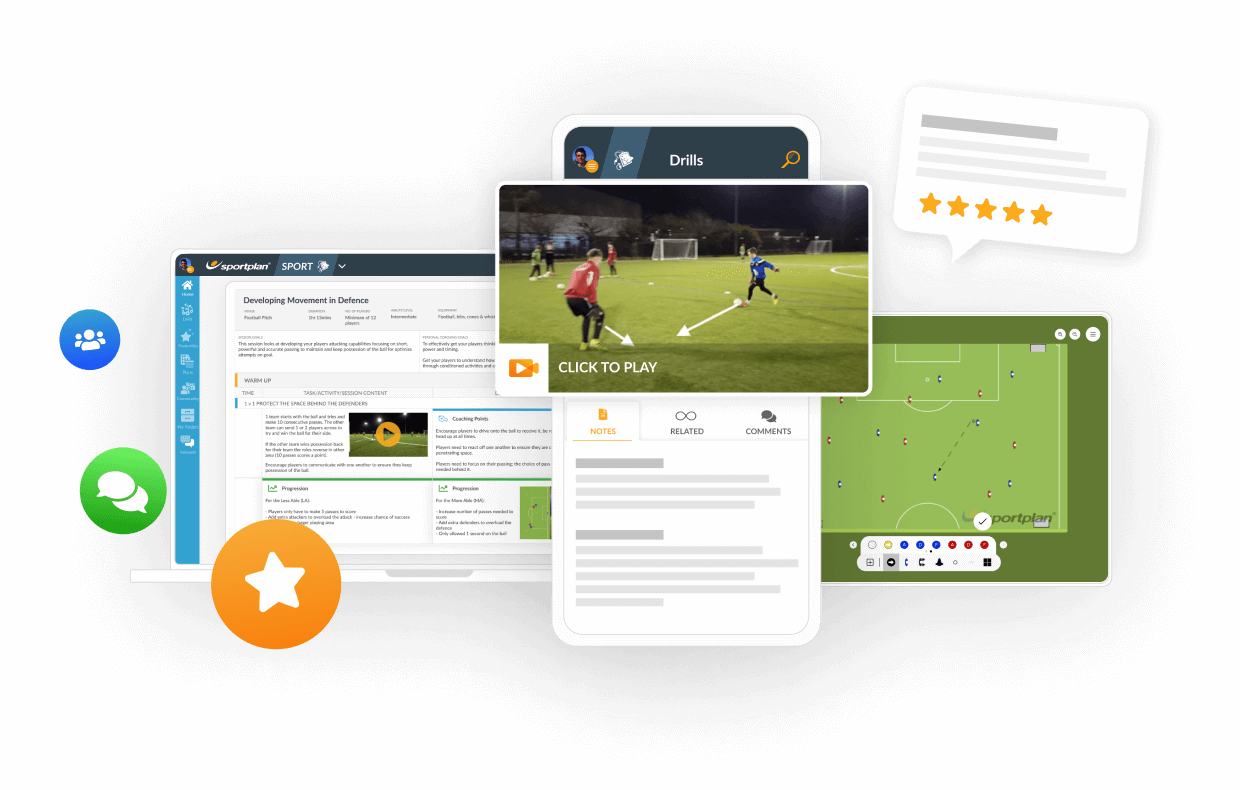
Set up a grid with a target zone in each of the four corners, two blue zones and two red zones.
Split the group into two teams of red and blue, and have two players from each team start in the middle, with the remaining players standing in one of the two zones of their colour.
Game: The players in the middle of the grid have to work together to try to pass the ball into the feet of one of their fellow team mates standing in one of the two target zones of their colour. E.g. the red players have to try to get the ball into one of the two red zones.
If a pair successfully passes into one of their target zones, they win a point and stay on while the other pair is replaced with two new players from their team. The winning pair stays on until they are beaten.
The first team to get to ten points is the winner.
Progression: Instead of 2 v 2, coaches could create a 3 v 3, 4 v 4 or 5 v 5 scenario.
Coaches should be encouraging the players in the middle to use their team mate to try to score a point, so communication and team work are key.
By creating a 2 v 2 scenario, the players have to practice their dribbling techniques and work on their ability to get past their opponent.
in more ways than one
 sportplan_netball


in more ways than one
sportplan_football
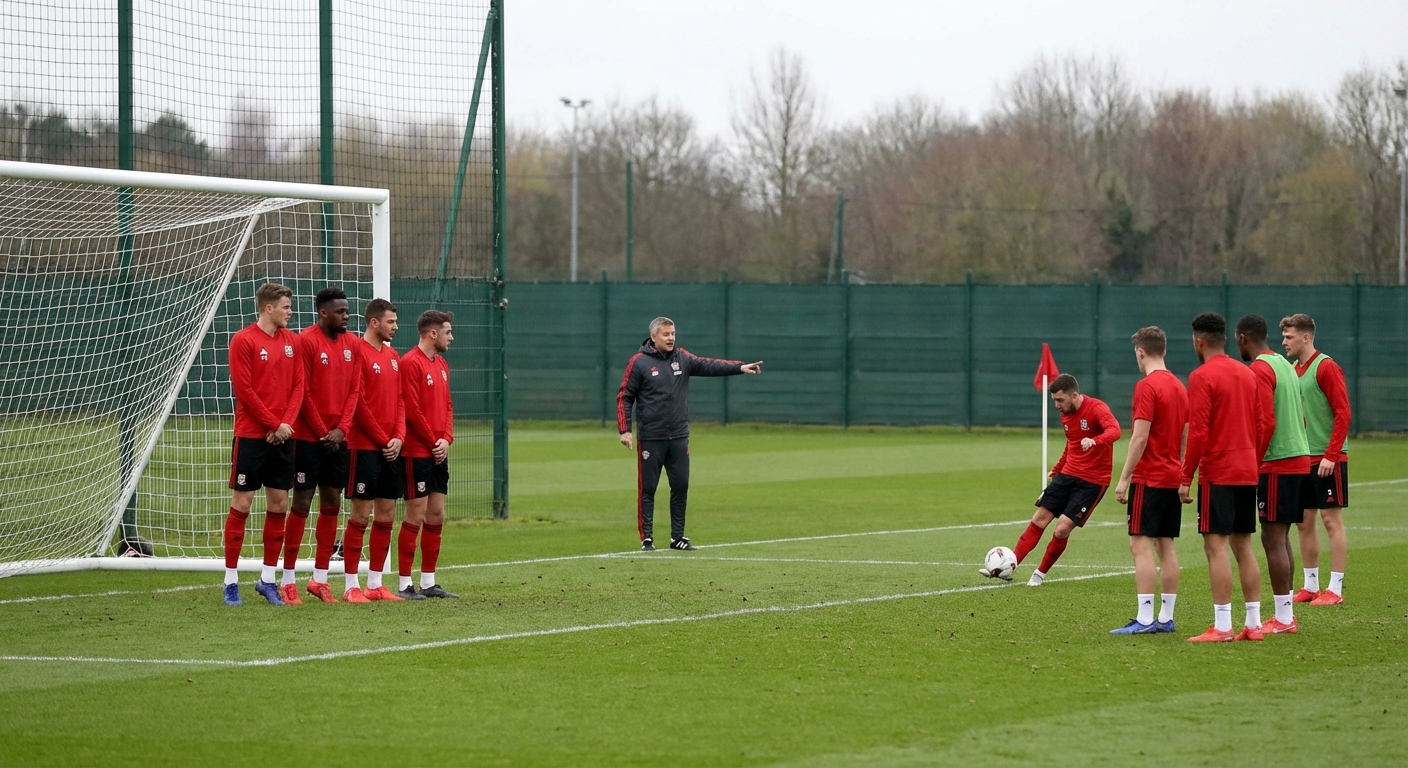
Set pieces account for roughly a third of all goals in football, yet many coaches spend surprisingly little time coaching defensive organisation at corners and free kicks. This article compares zonal and man marking systems, explores hybrid approaches, and provides a practical session structure for building set piece resilience into your team.
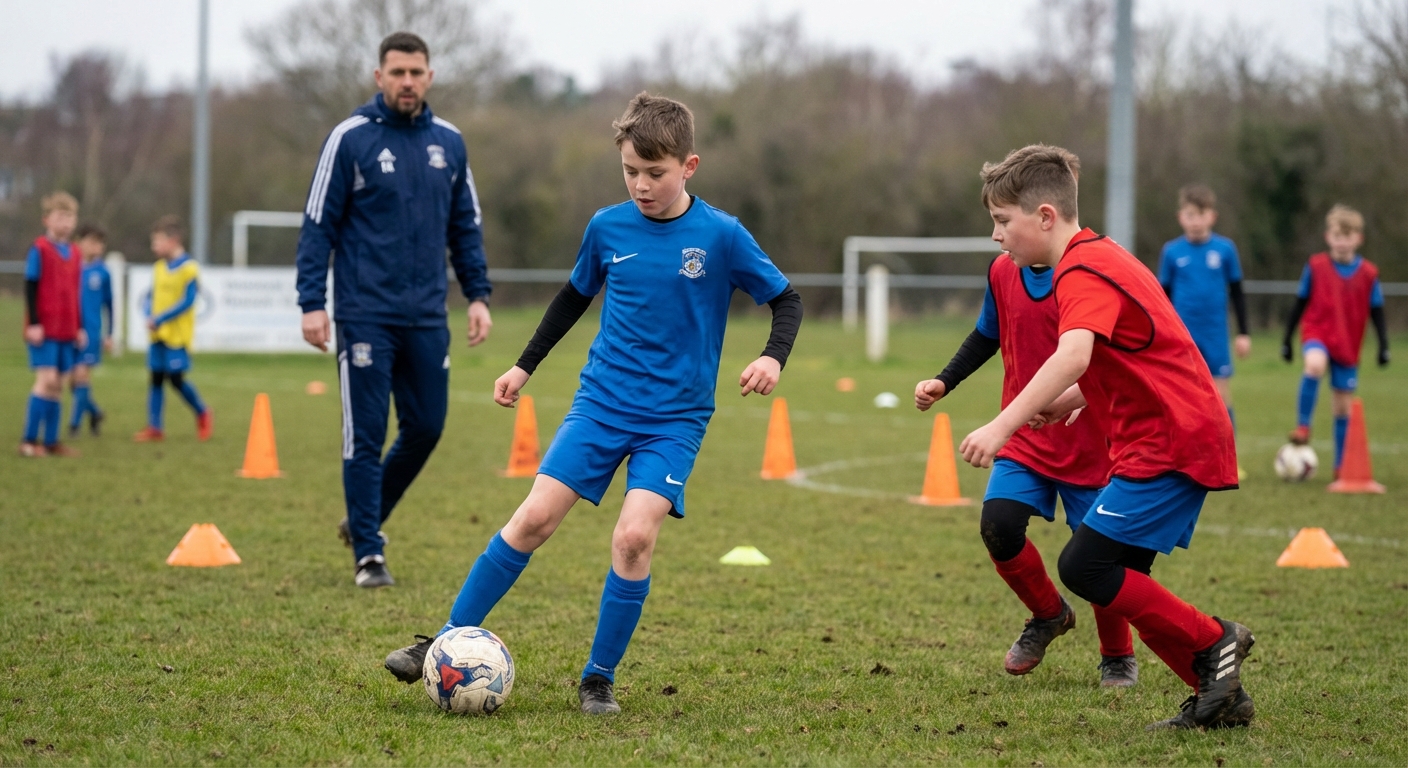
A player's first touch determines everything that follows: whether they can play forward, turn, or simply retain the ball. This article explores why training first touch in isolation is not enough, and how to design sessions that develop this critical skill under realistic game pressure.
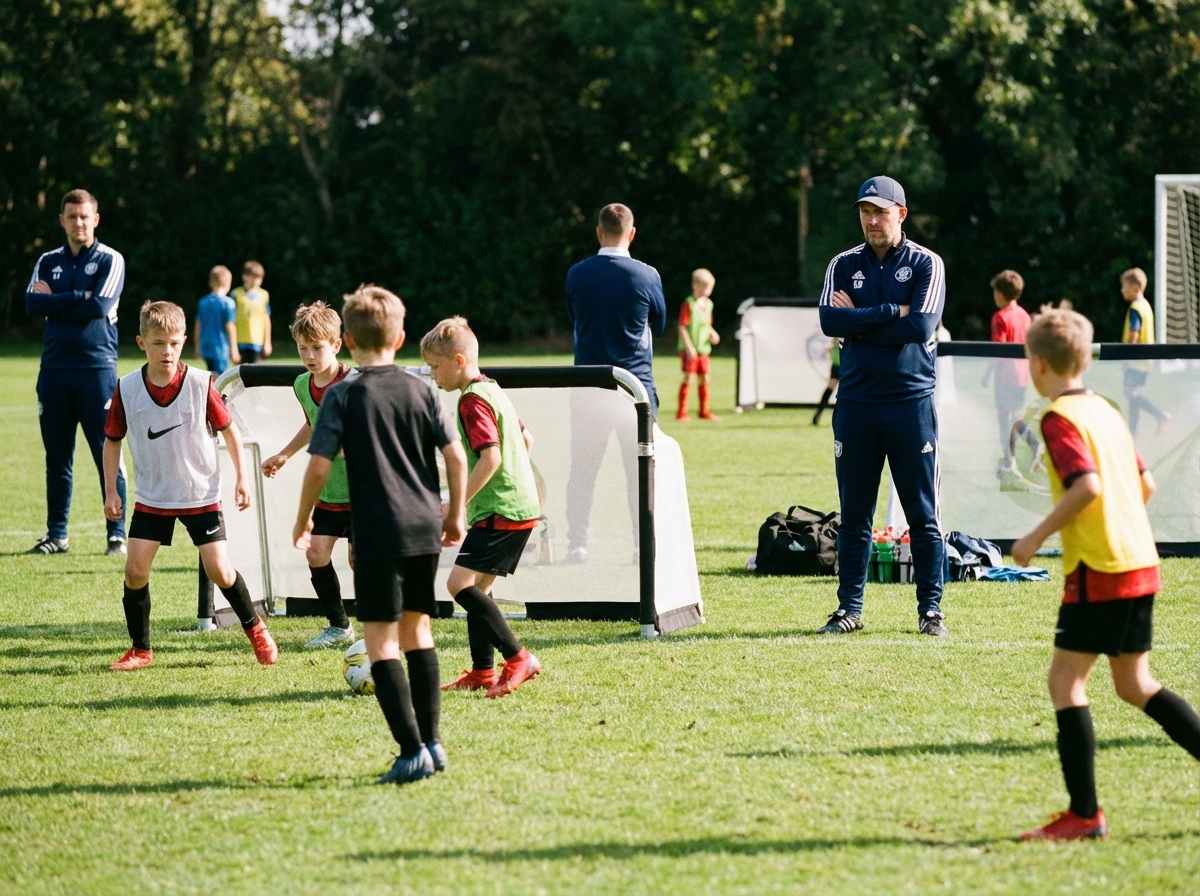
The coaching methodology revolution sweeping grassroots football - and how to implement it at your club this season.