Developing on from playing form the back session.
Players are locked into zones when defending but one player can advance into the next box when attacking either via a run with or wothout the ball.
Only limitations are that the midfiielders are on restricted number of touches to encourage quick play, quick movement off the ball to support player with the ball and quick decision making.
Encourage positivity and receiving the ball on the half turn - passing to back foot to encourage positive forward play - how can they create space in the middle, utilise width with the ball, play quickly, midfield rotation.
How can players on attacking and defensive thirds assist the midfielders? - utilise width and length of pitch.
Give individual challenges/ coaching points.
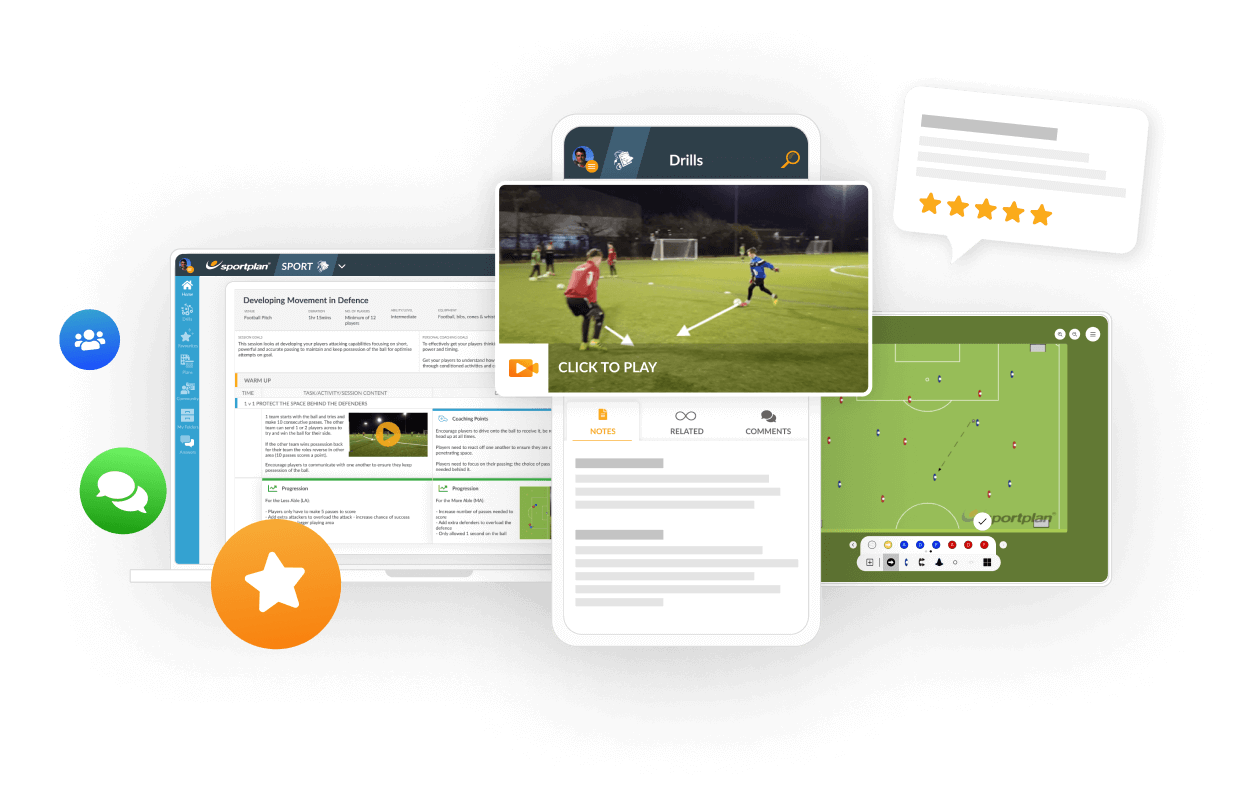
in more ways than one
 sportplan_netball


in more ways than one
sportplan_football

Under FutureFit, your Under-9s stay at 5v5, your Under-11s stay at 7v7 and your Under-13s stay at 9v9. Same pitch, same numbers, one more year. Here is how to make sure that year feels like a step forward rather than a repeat.
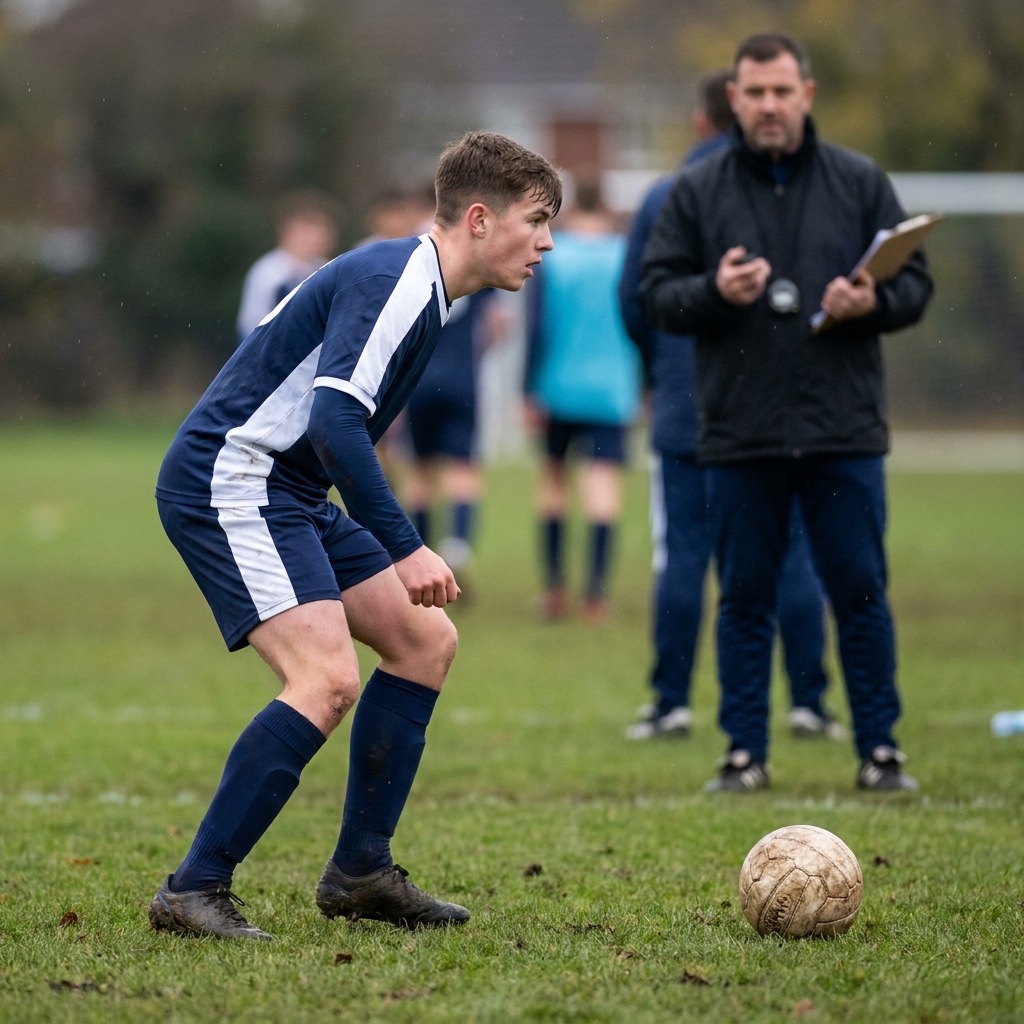
Most 1v1s are lost in the first second, when the defender rushes in and dives. Teach your players to slow the attacker down, take away the dangerous option and pick the right moment, and they will win far more of them.

The FA's FutureFit framework lands this season, bringing a 3v3 entry format at Under-7s. Here is what actually changes on a Saturday morning, and how to coach it well.