DESCRIPTION
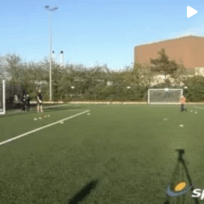
- 2 grids 10x15 adjacent to each other
- 3x teams of 4
- 1 team in each grid and one outside
- Ball played into one team, must combine for 3 passes and then are allowed to pass to the team in the other grid
- 1 defender from the team outside can enter the grid to win the ball and play out. At this point defending team switches with team in grid and new ball played to the opposite team
- When balls swithces grids new defender is in
PROGRESSIONS
- Increase # of passes needed to switch
- With every 5 passes allow and extra defender to join
COACHING POINTS
- Scan OFTEN for pressure, team mates and space
- 1st touch away from pressure
- Body position to receive that supports connecting with a team mate

in more ways than one
 sportplan_netball


in more ways than one
sportplan_football

Deliberate heading is now out of U11 grassroots matches. Here is how to coach chest, thigh and foot control so your players still win the ball in the air.

Long-range goals doubled at the 2026 World Cup as teams sat deep. Here is how to coach when to shoot from distance, the technique, and the follow-up.

Under FutureFit, your Under-9s stay at 5v5, your Under-11s stay at 7v7 and your Under-13s stay at 9v9. Same pitch, same numbers, one more year. Here is how to make sure that year feels like a step forward rather than a repeat.