The training area dimensions can vary from 35 x 25 yards to 60 x 40 yards depending upon the age group. Use two age group regulation goals on each goal line. In the activity are two goalkeepers (yellow), two wingers (white), two defenders (blue) and three attackers (red). Flank zones (dark grey area in the diagram) should be marked off with flat or disc cones. Only the wingers play in the flank zones and they are confined to it. The defenders and attackers play in the middle zone (white in the diagram) and they are confined to that space. Each time a goalkeeper has possession of the ball he should distribute (1) to either of the wingers. The winger in possession of the ball dribbles (2) towards the opposite goal and crosses (3) the ball to the attackers. The goalkeeper and defender contest the attackers for the ball. The attackers try to win the cross and score (4) from a header, volley, half-volley or shot from the ground. The attackers could also set up shots from a knock-off. The defenders stay in their half of the field. The attackers go end to end as do the wingers. After two to five minutes have the field players switch roles. Play to ten goals scored. U6 & U8: inappropriate activity U10: use the smallest dimensions written above U12: use a variety of training area dimensions to get practice at crossing the ball to either the near post or far post space U14: use the largest dimensions described

in more ways than one
 sportplan_netball


in more ways than one
sportplan_football
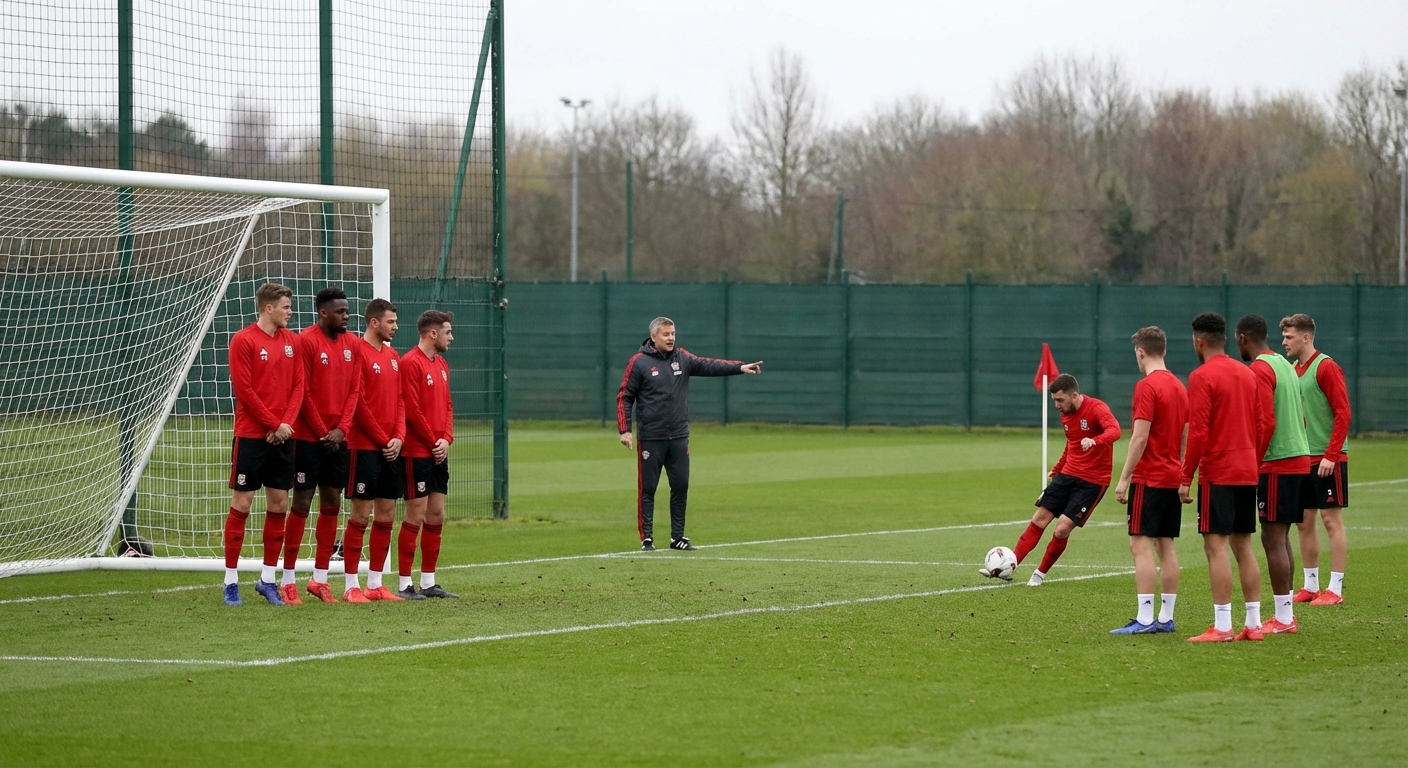
Set pieces account for roughly a third of all goals in football, yet many coaches spend surprisingly little time coaching defensive organisation at corners and free kicks. This article compares zonal and man marking systems, explores hybrid approaches, and provides a practical session structure for building set piece resilience into your team.
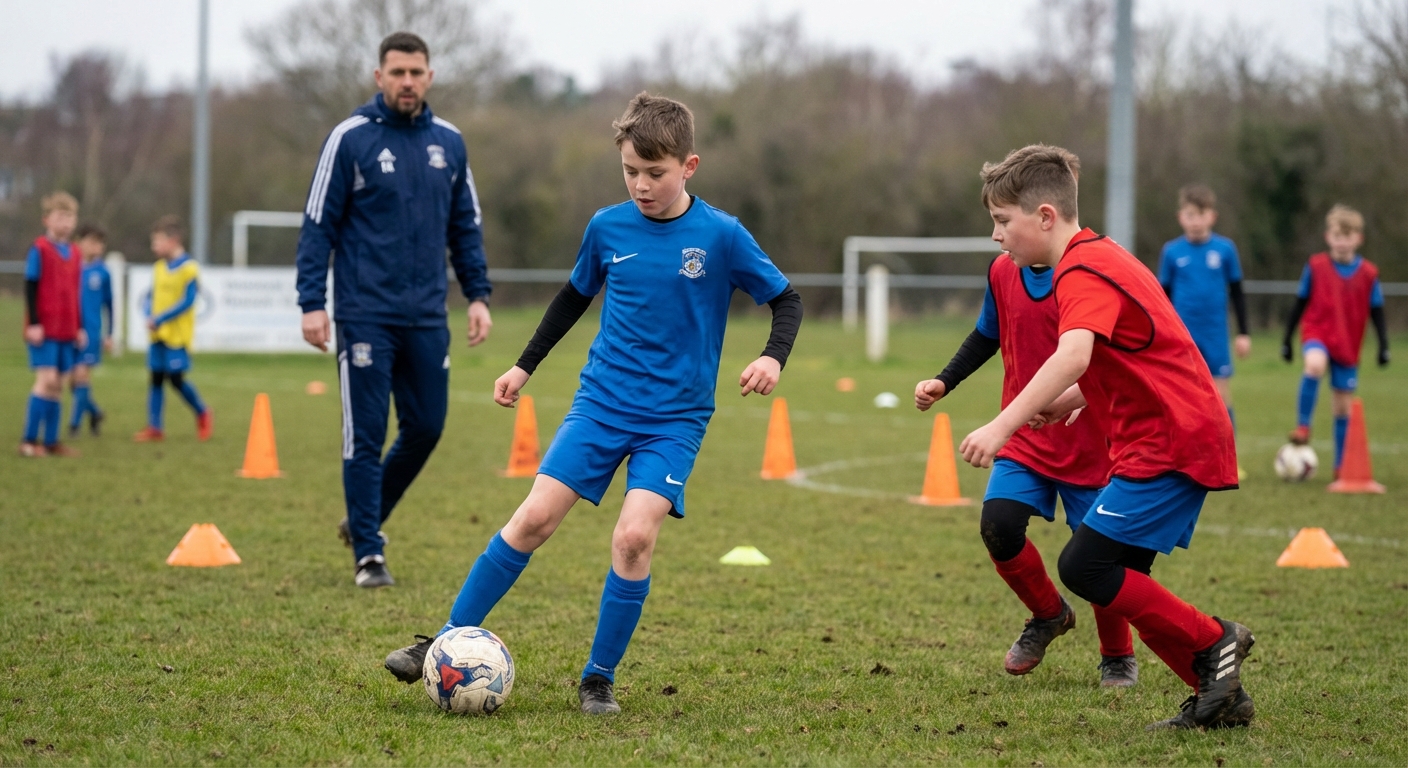
A player's first touch determines everything that follows: whether they can play forward, turn, or simply retain the ball. This article explores why training first touch in isolation is not enough, and how to design sessions that develop this critical skill under realistic game pressure.
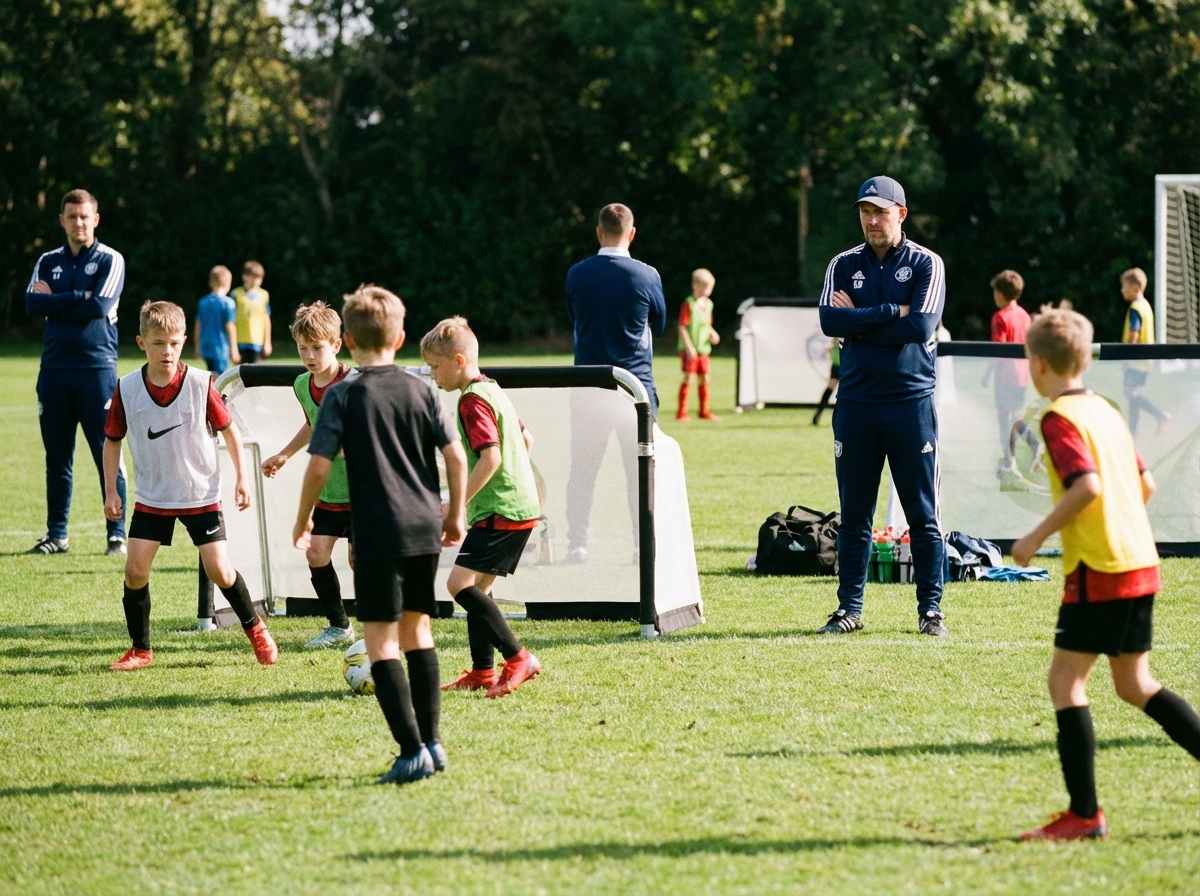
The coaching methodology revolution sweeping grassroots football - and how to implement it at your club this season.