They will be split in three teams with three players in two of the teams, and four in one (if we get 10 participiants as planned). There are two squares with one team in each, and in the middle it will be a team as well. The coach play the ball into one of the squares and one player from the middle (red) will press. They have to have 6 passes between them before they pass the ball to the opposit square (the team with four players need 8). If they manage this one of the other reds in the middle will go into that square and press. If one team loose the ball, theire team are in the middle.
Progression:
After all the balls have been used there will be a competition where they get a point everytime they manage to get the ball over to the other square. To make it harder for them the challenge can be increased by allowing the two players in the middle who are not pressing to intercept the pass from one square to the other.
Including one-two´s, finding triangles.
At the end there will be a maximum one touch where the players must be on top with what they have worked on (speed of the pass, finding space and creating angles, body shape).
Technical- Passing the ball with the right speed, receiving the ball into an open space based on where the player will pass it on, body shape.
Tactical- When to pass, decisionmaking, creating space and angles, support play, orientation.
Physical- Agility, change of direction after passing.
Psychological- Concentration and communication.
in more ways than one
 sportplan_netball

in more ways than one
sportplan_football
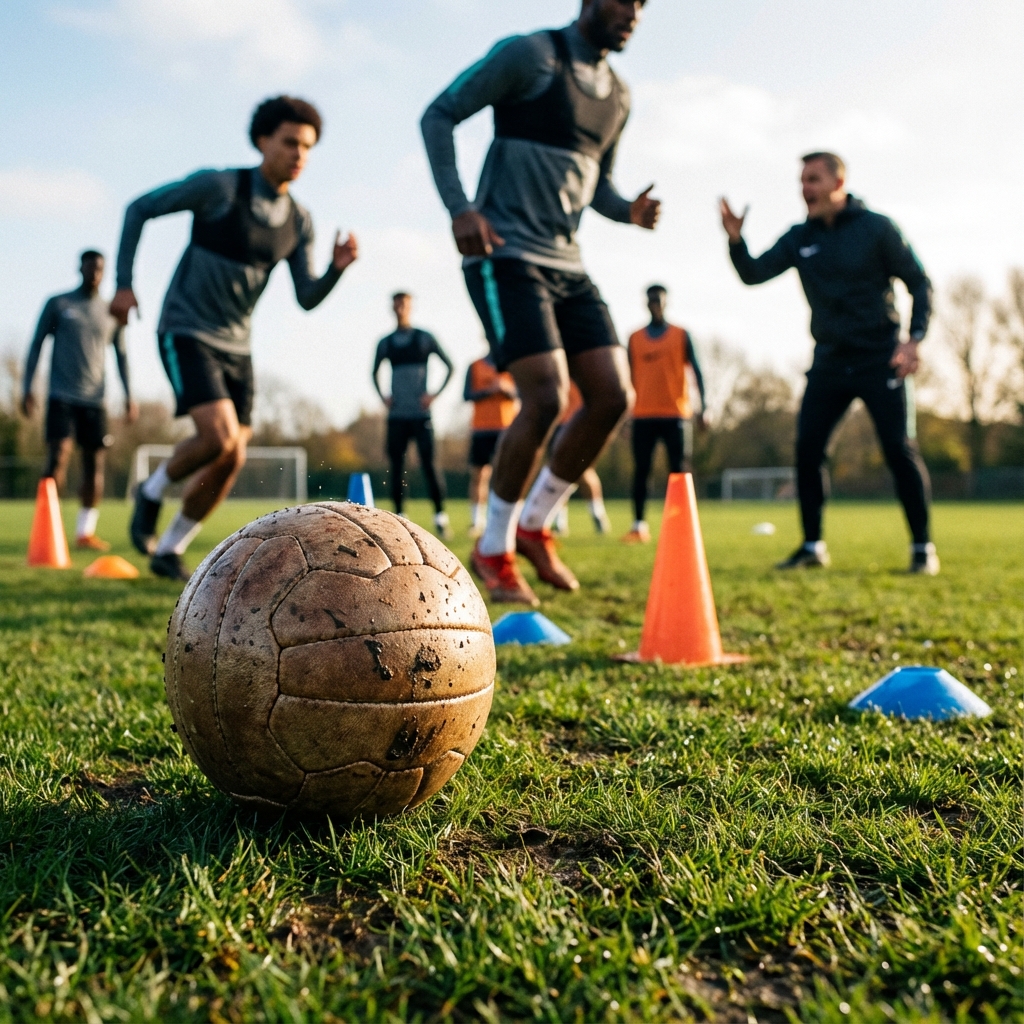
2026 brings the biggest World Cup ever, revolutionary rule changes, and new tactical opportunities for coaches at every level. Here's what you need to know.
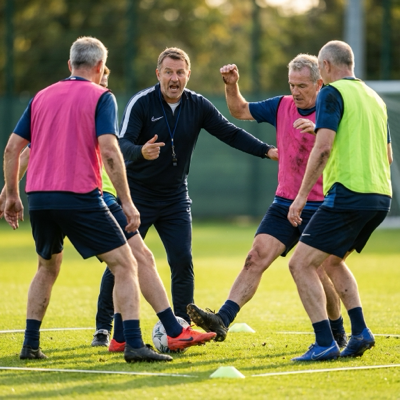
Possession without purpose is pointless. These drills combine ball retention with physical conditioning to create teams that dominate and outlast opponents.
Teams have just 6 seconds to exploit a turnover before defences reorganise. Learn how to train your players to attack with speed and purpose.