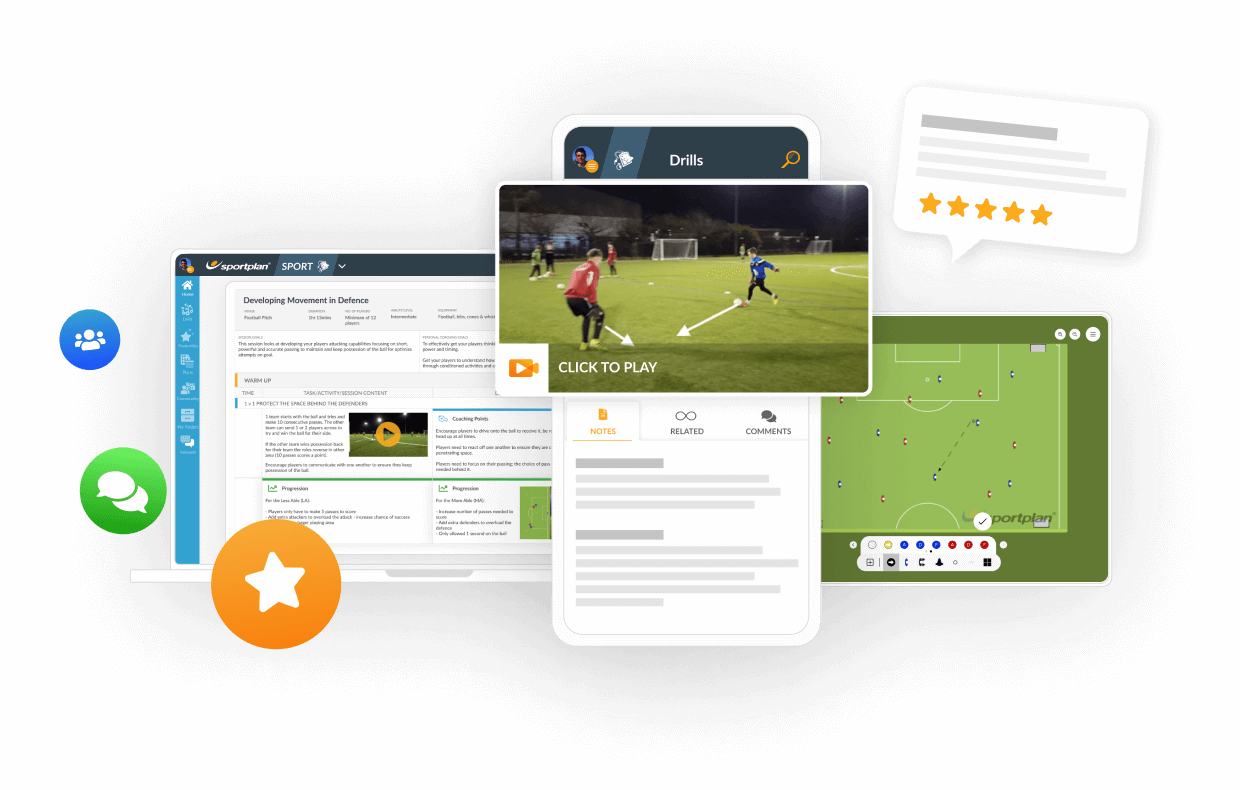
This drill is to encourage interplay between attacking players making a goal scoring opportunity from the wing. The diagram shows the no.2 starting and finishing the move after inter-play between the other 3 players.
This drill cannot be too prescriptive but a few things should be encouraged.
1. Ask the player that starts the move to finish the move..
2. Ask them to consider coverage, especially if no. 2 is the starting and finishing player
2. The starting player changes after each attempt, but from a different point within the parallelogram (marked out by 4 red cones).
3. After observing the players, encourage the following:
- Intensity (this is not a slow jogging drill)
- Quick passing as well as movement so as to catch the opposition out of position
- Come to the ball interchange positions within the marked area
- Body position is very important
- A second marked out area can be introduced on the opposite wing running simultaneously
- Introduce 1 then 2 defenders.
- Remove requirement for the starting player to be the shooting player.
in more ways than one
 sportplan_netball


in more ways than one
sportplan_football

Under FutureFit, your Under-9s stay at 5v5, your Under-11s stay at 7v7 and your Under-13s stay at 9v9. Same pitch, same numbers, one more year. Here is how to make sure that year feels like a step forward rather than a repeat.
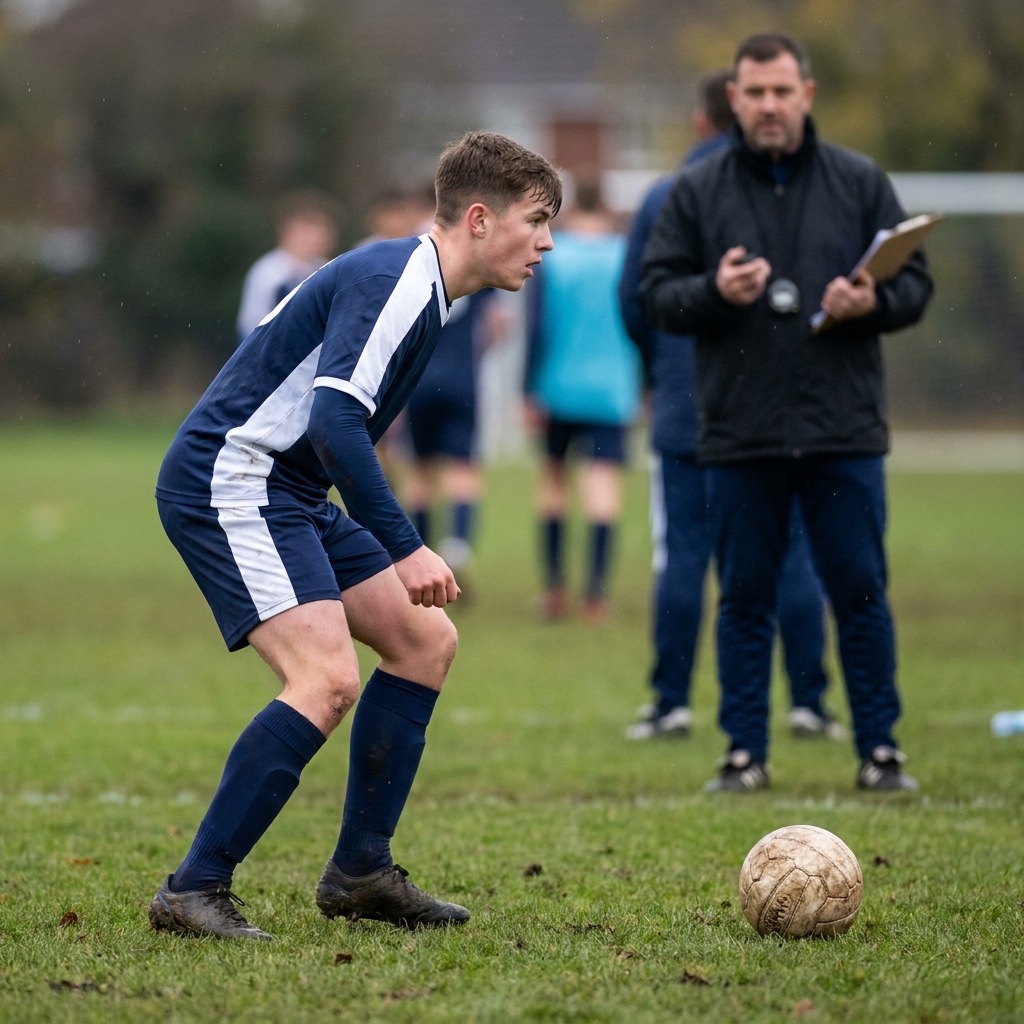
Most 1v1s are lost in the first second, when the defender rushes in and dives. Teach your players to slow the attacker down, take away the dangerous option and pick the right moment, and they will win far more of them.

The FA's FutureFit framework lands this season, bringing a 3v3 entry format at Under-7s. Here is what actually changes on a Saturday morning, and how to coach it well.