ORGANISATION:
Penalty Area with 2 full size goals as shown in Diagram 1. 44x30yrds, this should be increased for more advanced players.
4 gate goals (marked with yellow training poles above) are next to the goals at either end.
4 additional gates (marked in blue cones above) are placed inside the gate goals as markers from where the players enter the field of play.
2 GKs (one in each goal)
Balls are positioned at both sides of the playing area by the gates where the players enter.
INSTRUCTIONS:Teams alternate between attacking and defending. The attacking team always attacks with 3 players and the defending team defends with 2 players. The defending team passes the ball across to one of their opponents gates to initiate play and both defenders enter. The receiving gate sending in 2 players and an additional play enters from their other gate. This creates the 3vs3 scenario. Once the ball goes out of play or a goal is scored, play starts with a pass in from the other side (i.e. the defending team becomes the attacking team).
Initial pass across from the red (defending team) and both Red 1 and 2 enter.
The blue team receives the ball and pass between each other until there is an opportunity to shoot on the full size goal of their opponents. (Diagram 2)
Blue player 3 shoots on goal.

in more ways than one
 sportplan_netball


in more ways than one
sportplan_football

Under FutureFit, your Under-9s stay at 5v5, your Under-11s stay at 7v7 and your Under-13s stay at 9v9. Same pitch, same numbers, one more year. Here is how to make sure that year feels like a step forward rather than a repeat.
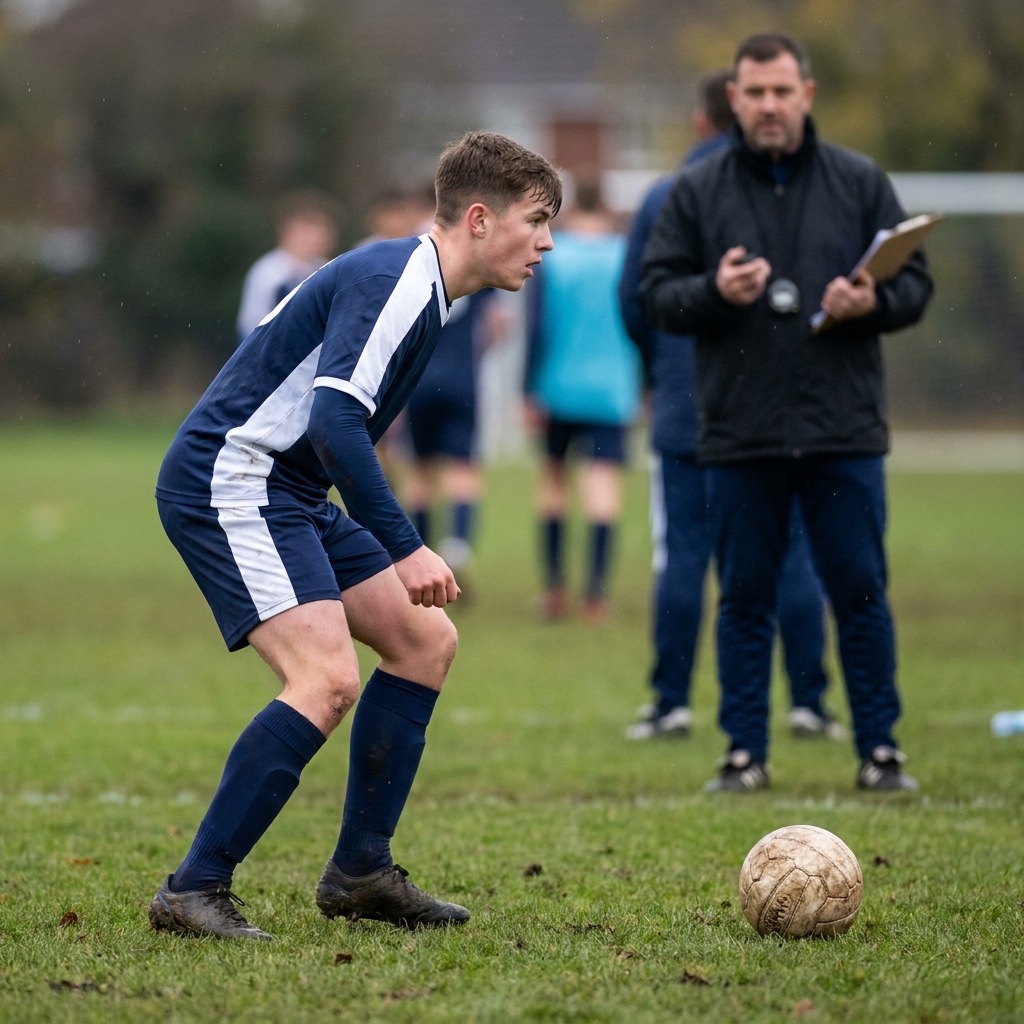
Most 1v1s are lost in the first second, when the defender rushes in and dives. Teach your players to slow the attacker down, take away the dangerous option and pick the right moment, and they will win far more of them.

The FA's FutureFit framework lands this season, bringing a 3v3 entry format at Under-7s. Here is what actually changes on a Saturday morning, and how to coach it well.