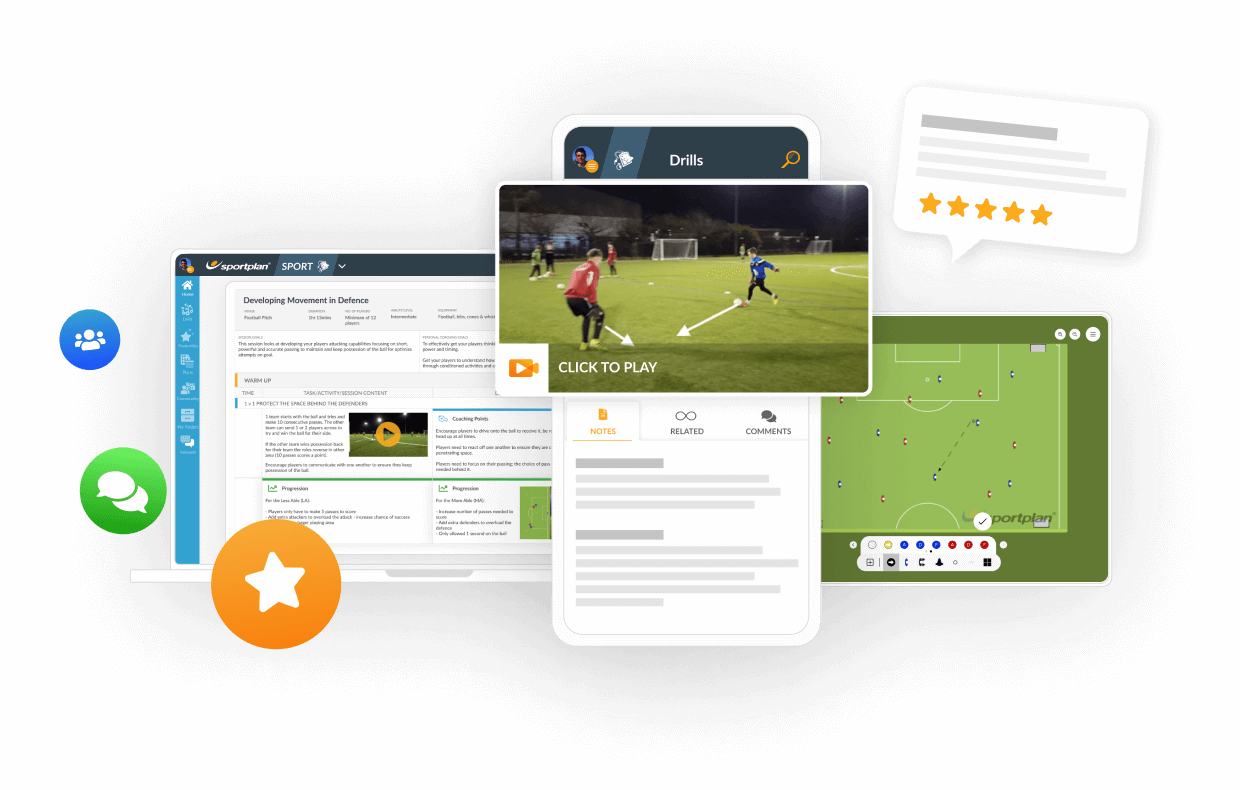
Initially I will show the group the technique of a defensive header myself. I will do this a few times, talking through points such as; the part of the head you want to hit the ball with, body position and when it is necessary to jump.
Before sending them off to participate in a drill I will get each player to show me their heading technique and will give feedback on possible improvements and areas which are already at a high standard.
Once I am satisfied each player has understood the technique well I will demonstrate the drill. I will split the group into three's. 2 players (one beind the other) will stand a comfortable distance away from the other player facing eachother. The person at the front of the two will through a football in the air to the player stood by themself and begin to run towards them. The players will then head the ball, aiming to hit it over the player running at them, and into the hands of the player now stood still. the player who headed the ball will now run to the back of the queue and the player who previsouly through the ball will now be heading the ball. Make sure this is done 4 time for each player.
in more ways than one
 sportplan_netball

in more ways than one
sportplan_football
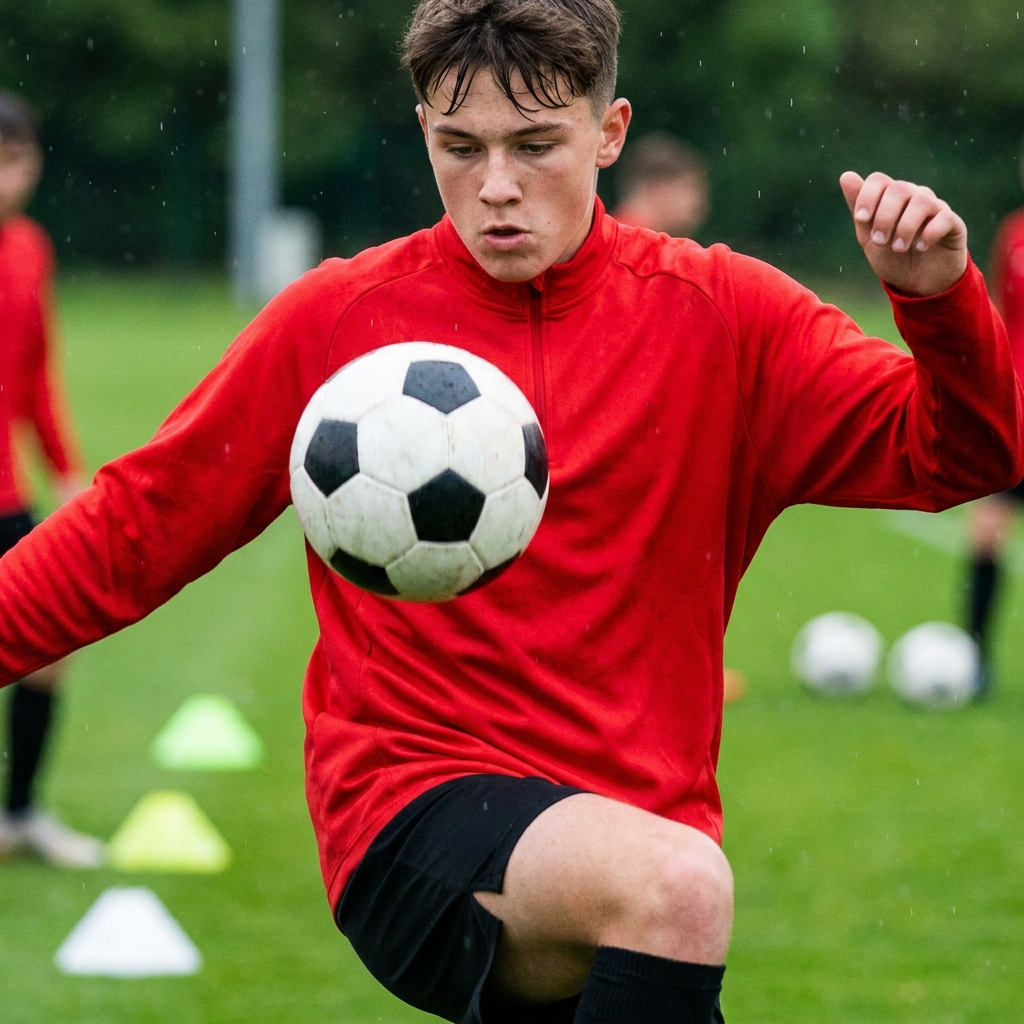
Deliberate heading is now out of U11 grassroots matches. Here is how to coach chest, thigh and foot control so your players still win the ball in the air.
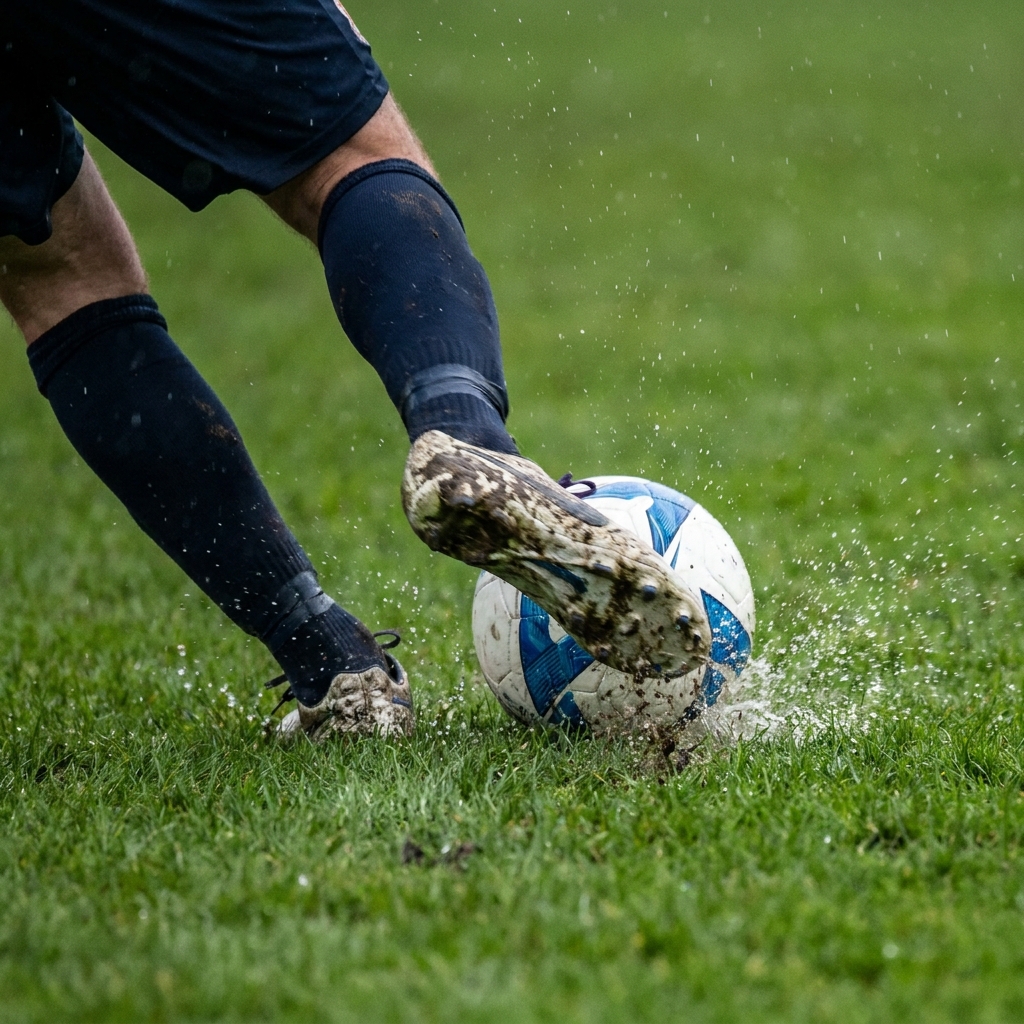
Long-range goals doubled at the 2026 World Cup as teams sat deep. Here is how to coach when to shoot from distance, the technique, and the follow-up.
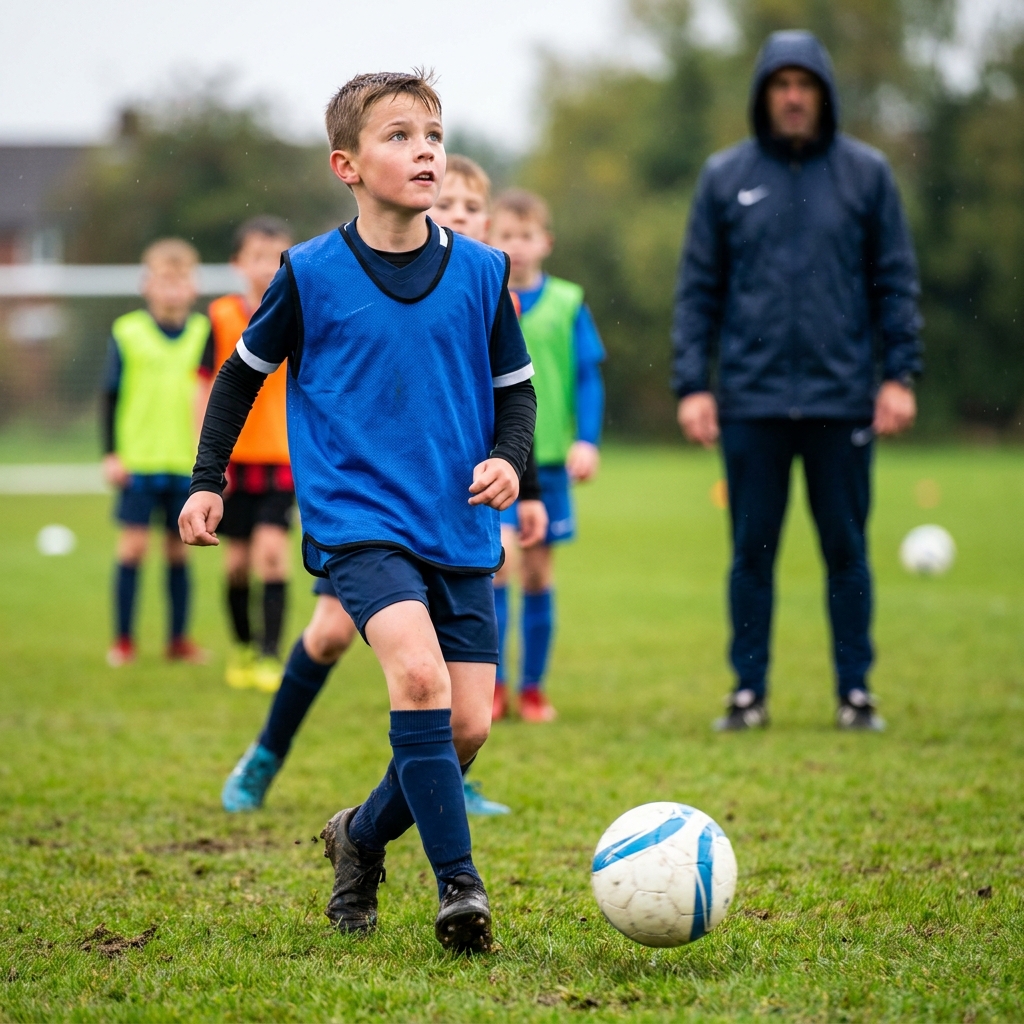
Under FutureFit, your Under-9s stay at 5v5, your Under-11s stay at 7v7 and your Under-13s stay at 9v9. Same pitch, same numbers, one more year. Here is how to make sure that year feels like a step forward rather than a repeat.