Set up a square. Place 2 attackers at one end and 2 defenders at the opposite end.
The defenders start with the ball. The ball is played to one of the attackers and the defenders can now begin to assert pressure.
The attackers must utilize all of the space to spread the defenders and try to penetrate them, by moving and passing the ball to pull the defenders out of position.
If an attacker can cross the defenders starting line (with the ball under control =1 point
If the defenders manage to gain possession they become the attackers on the next turn =1 point
One defender should apply pressure to the attacker with the ball (in a good jockey stance).
The second defender should place themselves in a position where they can cover the space behind the first defender, while maintaining balance which will allow them to apply pressure to the second attacker if the ball is pass to them.
In the event of a pass, the defenders should quickly switch roles to apply pressure, cover and balnce at all times.

in more ways than one
 sportplan_netball


in more ways than one
sportplan_football
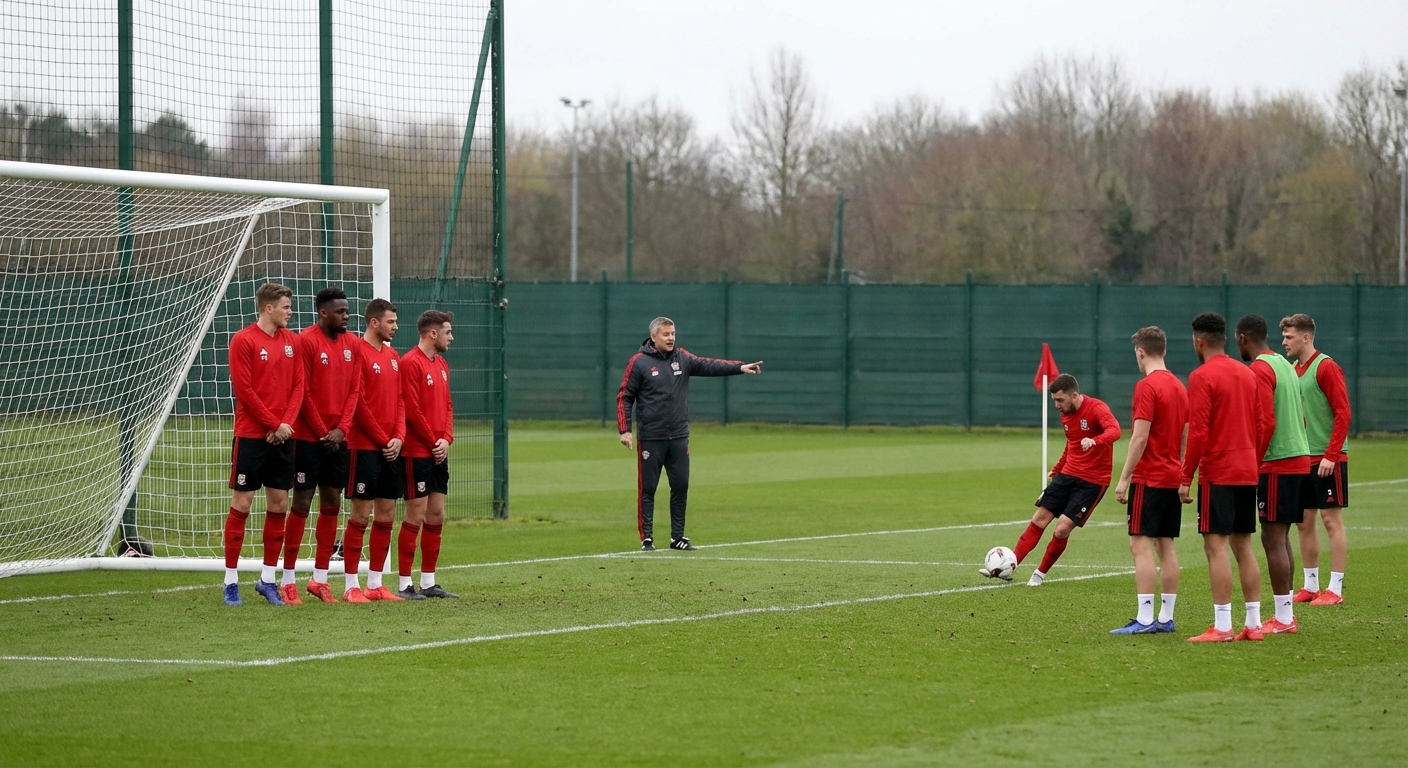
Set pieces account for roughly a third of all goals in football, yet many coaches spend surprisingly little time coaching defensive organisation at corners and free kicks. This article compares zonal and man marking systems, explores hybrid approaches, and provides a practical session structure for building set piece resilience into your team.

A player's first touch determines everything that follows: whether they can play forward, turn, or simply retain the ball. This article explores why training first touch in isolation is not enough, and how to design sessions that develop this critical skill under realistic game pressure.

The coaching methodology revolution sweeping grassroots football - and how to implement it at your club this season.