now we move onto using half a pitch with the use of goals. seperate the width of the pitch into 5 sections twice once on the edge of the box and again towards the half way line (see diagram). split the group into one team of 8 and one team of 7. with just 1 goalkeeper.
defending team are onyl allowed to have one player per box at a time. this forces them to shuffle and pass the payer on rather than just following them across the pitch. attackers can go in any box they feel like. and can have as many olayers as they want in any box any time.
after the ball has got past the defenders and into the box or out wide ina crossing position defenders can drop and move in the box freely.
defenders much shuffle across the pitch following the ball however they must not have more than one player in a box at a time. the winger on the defneding team can drop down into defence if a box is free however a defender may not move into a box in the midfield as it would leave a hole in the defence.

in more ways than one
 sportplan_netball


in more ways than one
sportplan_football
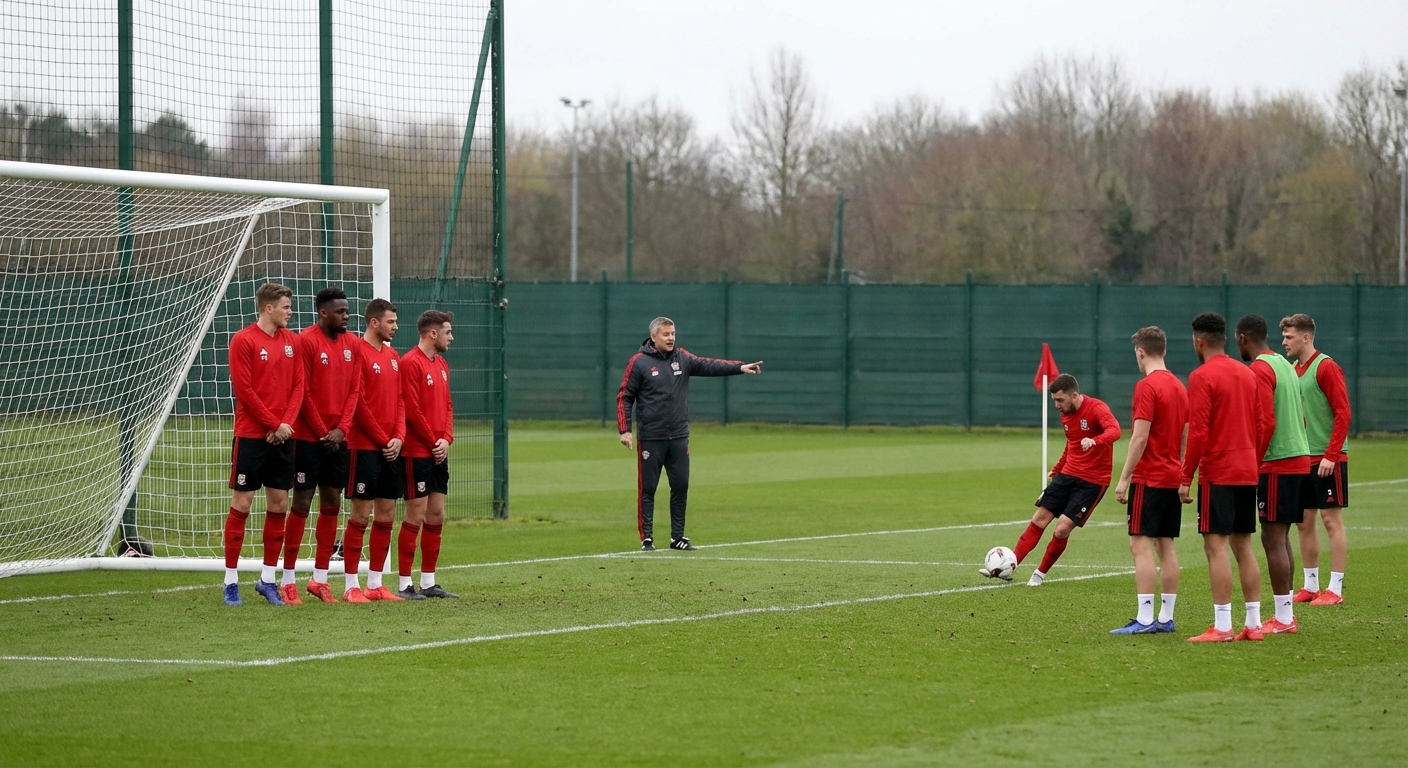
Set pieces account for roughly a third of all goals in football, yet many coaches spend surprisingly little time coaching defensive organisation at corners and free kicks. This article compares zonal and man marking systems, explores hybrid approaches, and provides a practical session structure for building set piece resilience into your team.
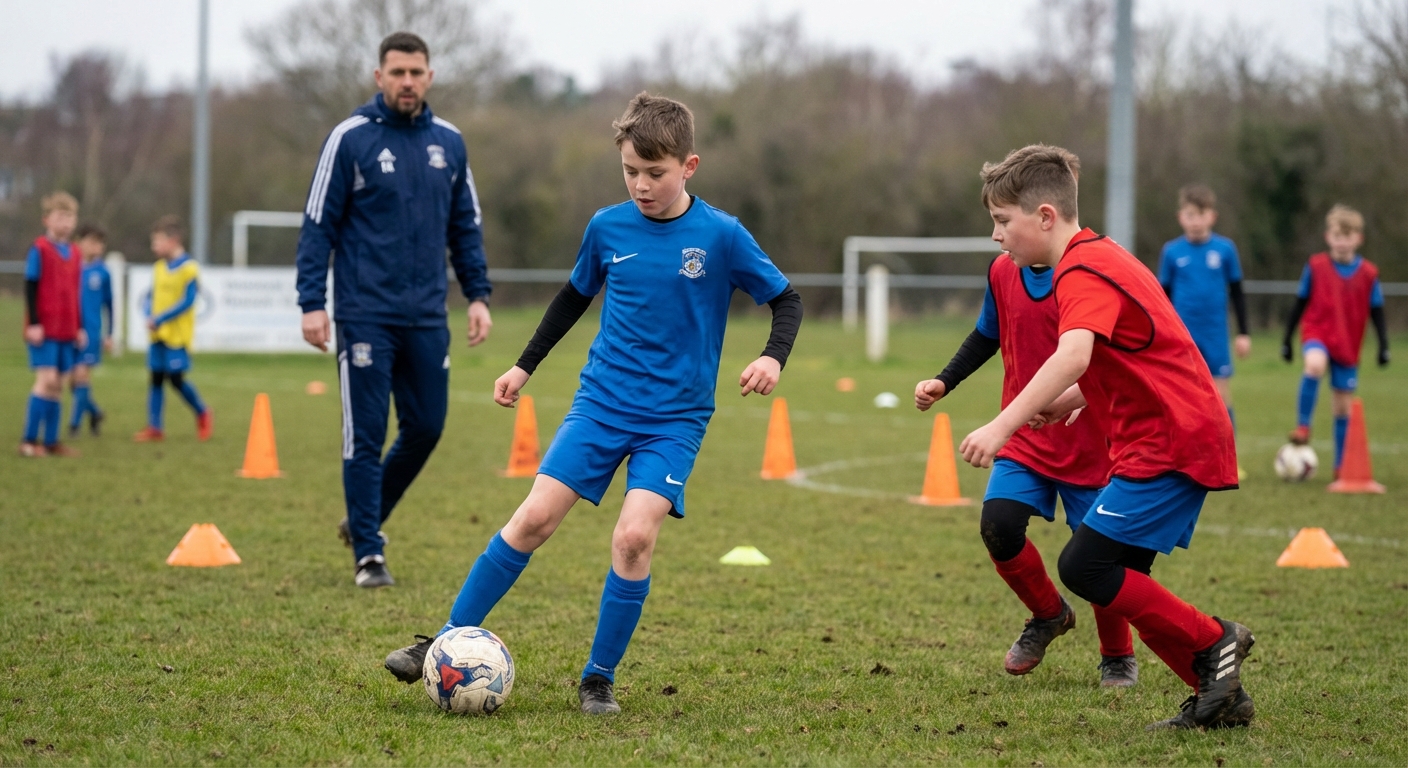
A player's first touch determines everything that follows: whether they can play forward, turn, or simply retain the ball. This article explores why training first touch in isolation is not enough, and how to design sessions that develop this critical skill under realistic game pressure.
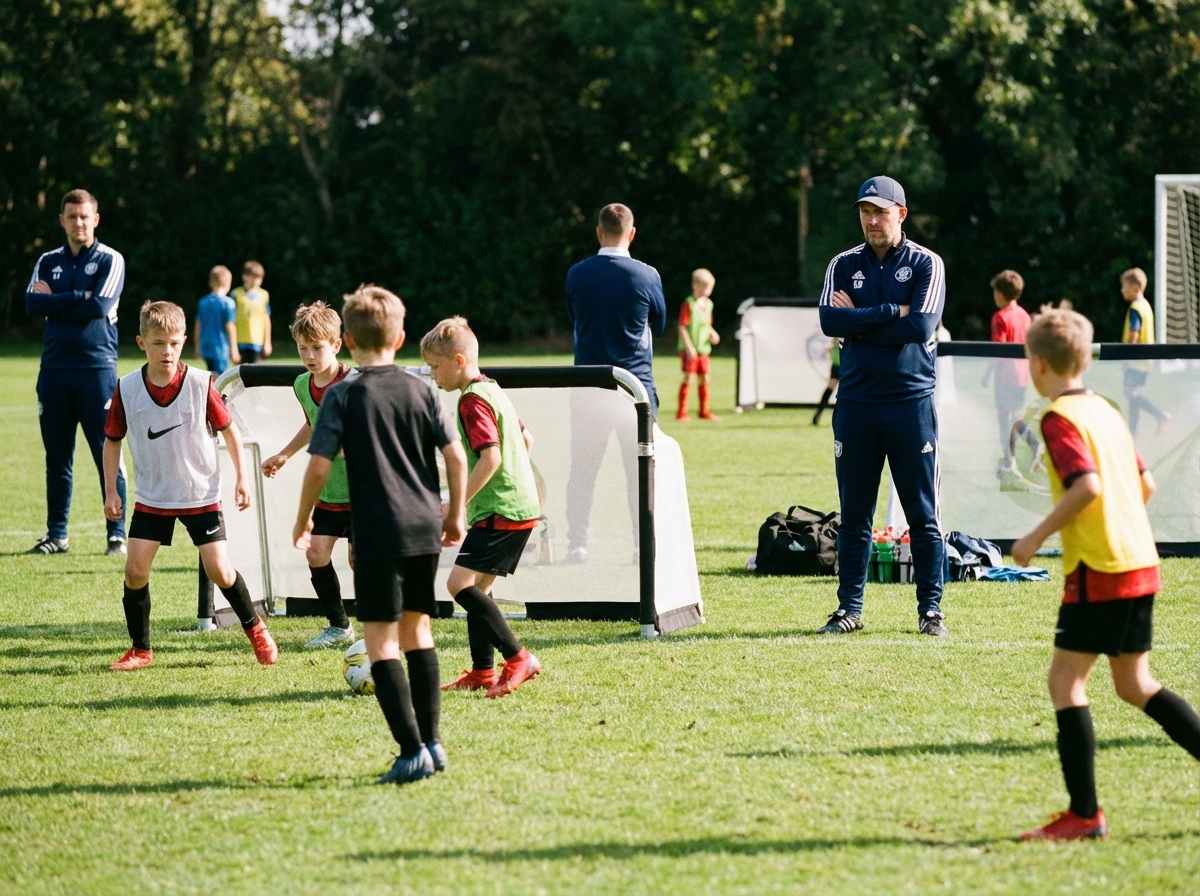
The coaching methodology revolution sweeping grassroots football - and how to implement it at your club this season.