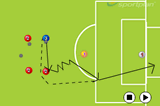
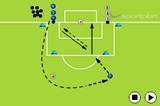
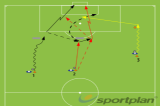
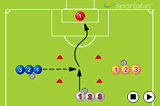
Set up 3 cones (or poles) spaced as shown in the diagram.
Have a mannequin positioned on either side of the middle, just before the penalty box.
Have a Player positioned on the backline to the left side in the penalty box with a ball.
Have another Player (W) positioned out wide to the right side with a ball.
A Player starts halfway between the centre circle and goal; dribbles the ball around the cones and in between the mannequins to take a shot.
After first shot, Player quickly moves around the left hand mannequin and gets a cross from the wide player. Then the Player recovers around the right hand mannequin to receive the ball from the player on the goal line.
Rotate the players around ever play (shooter > winger > backline player > shooter line)
The striker:
Rationale:
The short pass is replicating a pull back from a winger in a game situation.
It is important for the striker to keep moving instead of being static to move Defenders and create space.
Running back around the mannequins helps to do this. Also entering the box from outside replicates a midfielder running into the area.
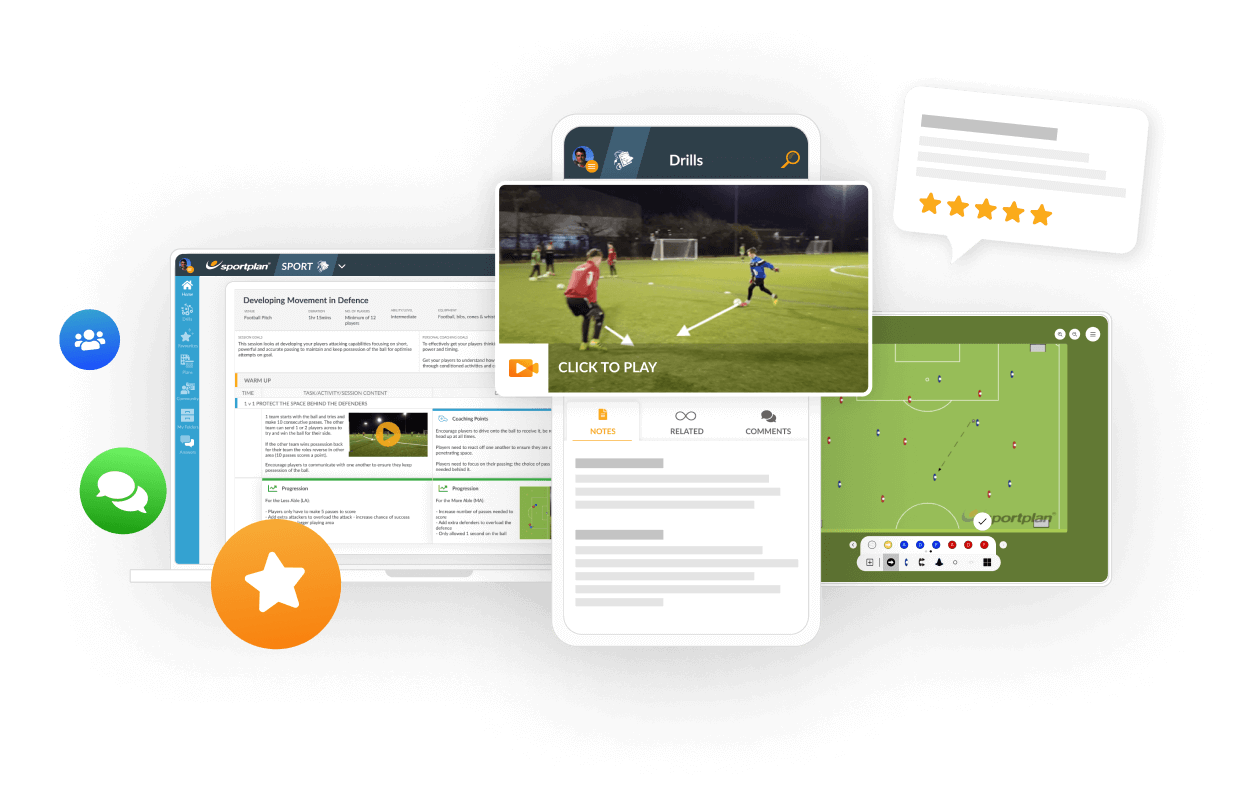
in more ways than one
 sportplan_netball

in more ways than one
sportplan_football
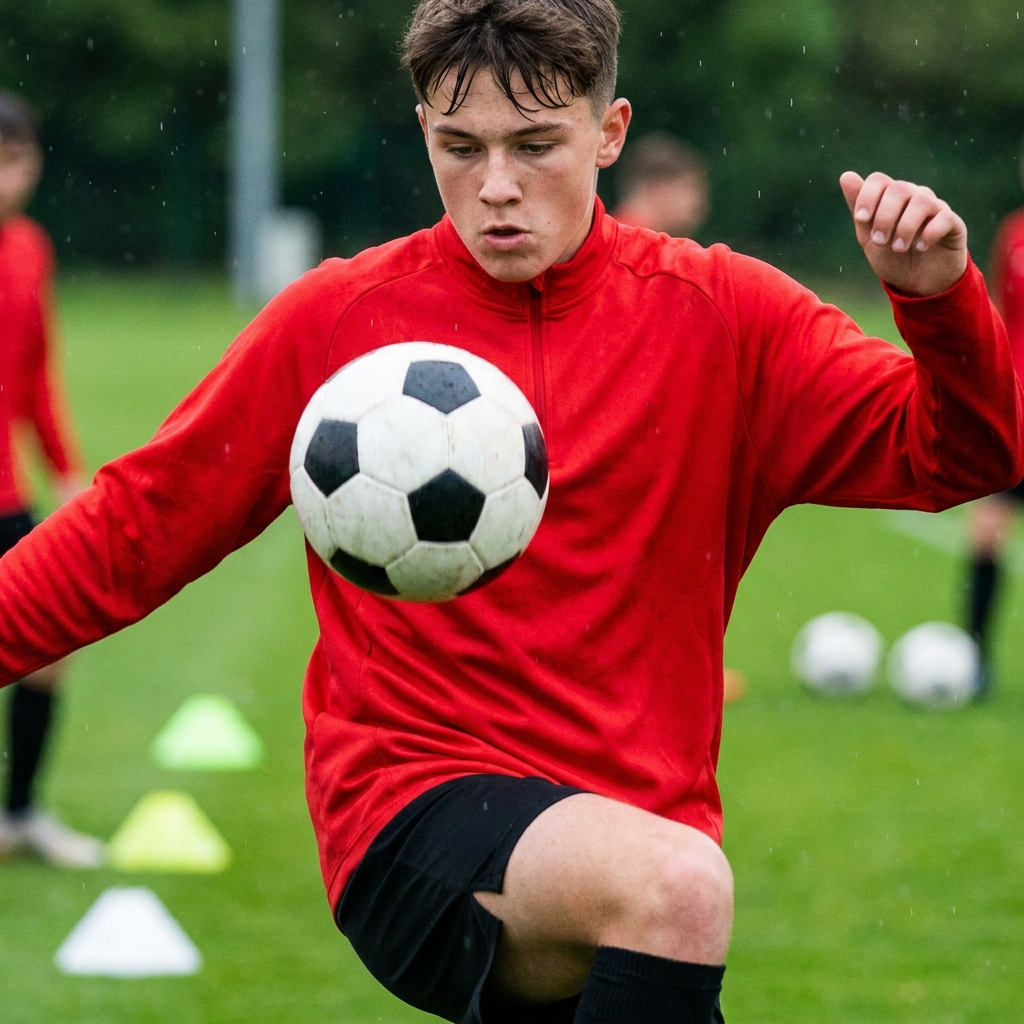
Deliberate heading is now out of U11 grassroots matches. Here is how to coach chest, thigh and foot control so your players still win the ball in the air.
Long-range goals doubled at the 2026 World Cup as teams sat deep. Here is how to coach when to shoot from distance, the technique, and the follow-up.
Under FutureFit, your Under-9s stay at 5v5, your Under-11s stay at 7v7 and your Under-13s stay at 9v9. Same pitch, same numbers, one more year. Here is how to make sure that year feels like a step forward rather than a repeat.