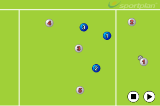
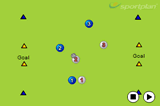
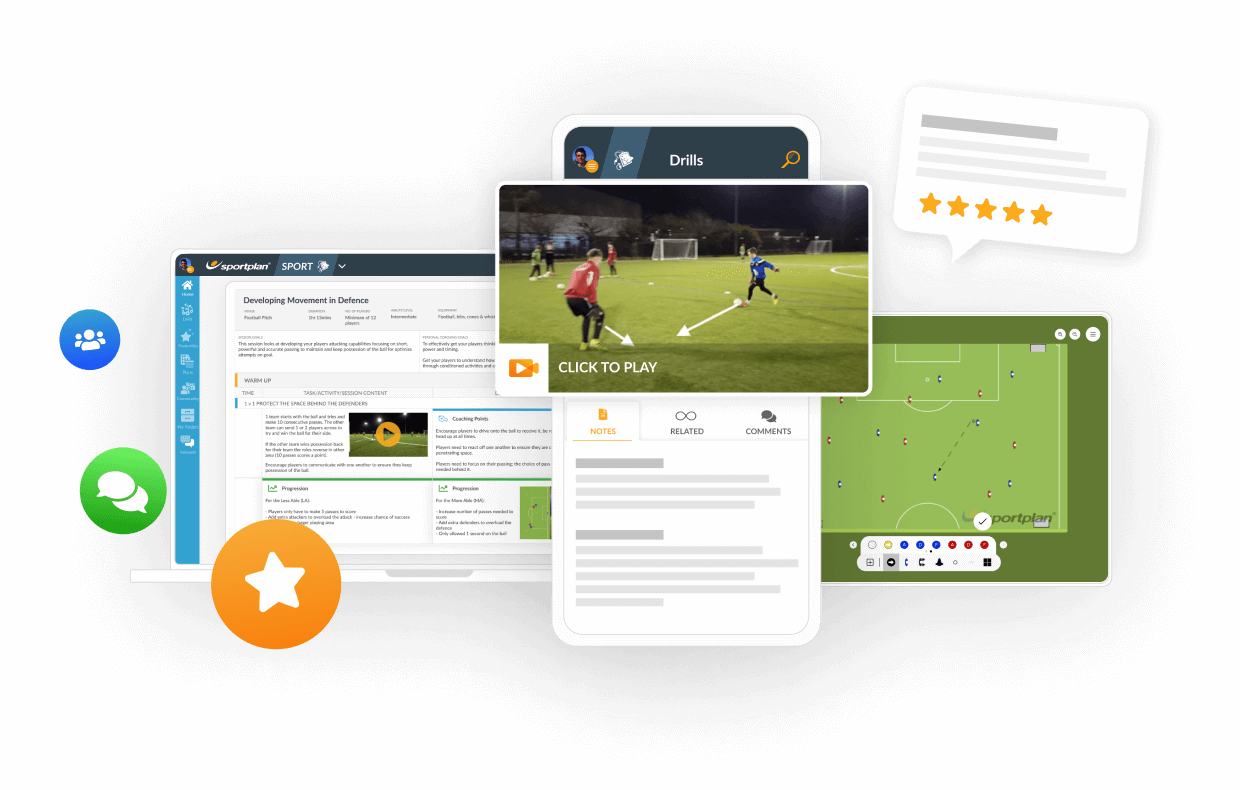
Objective: The team on the outside to retain possession (on outside only) & switch play by combining with middle attacking team. It will get players thinking, moving & working together.
Use a 20 x 20 grid and split your players into 3 groups, bibbed up. For example if you have 12 players (3 teams of 4). This activation practice will get players thinking, moving and working together. You will have 1 team spread on the outside of the box and 2 in the middle (one playing as Attackers, the other Defenders). The objective is for the team on the outside to retain possession on outside only & when an opportunity arrives, play to the attacking team (whom combine/pass) and play it back out on a different side of the box. The defending team can only shadow/intercept but can tackle once the ball is inside. If the ball is turned over, then a transition happens & the outside team will swap with the defending team.
in more ways than one
 sportplan_netball


in more ways than one
sportplan_football

Deliberate heading is now out of U11 grassroots matches. Here is how to coach chest, thigh and foot control so your players still win the ball in the air.

Long-range goals doubled at the 2026 World Cup as teams sat deep. Here is how to coach when to shoot from distance, the technique, and the follow-up.
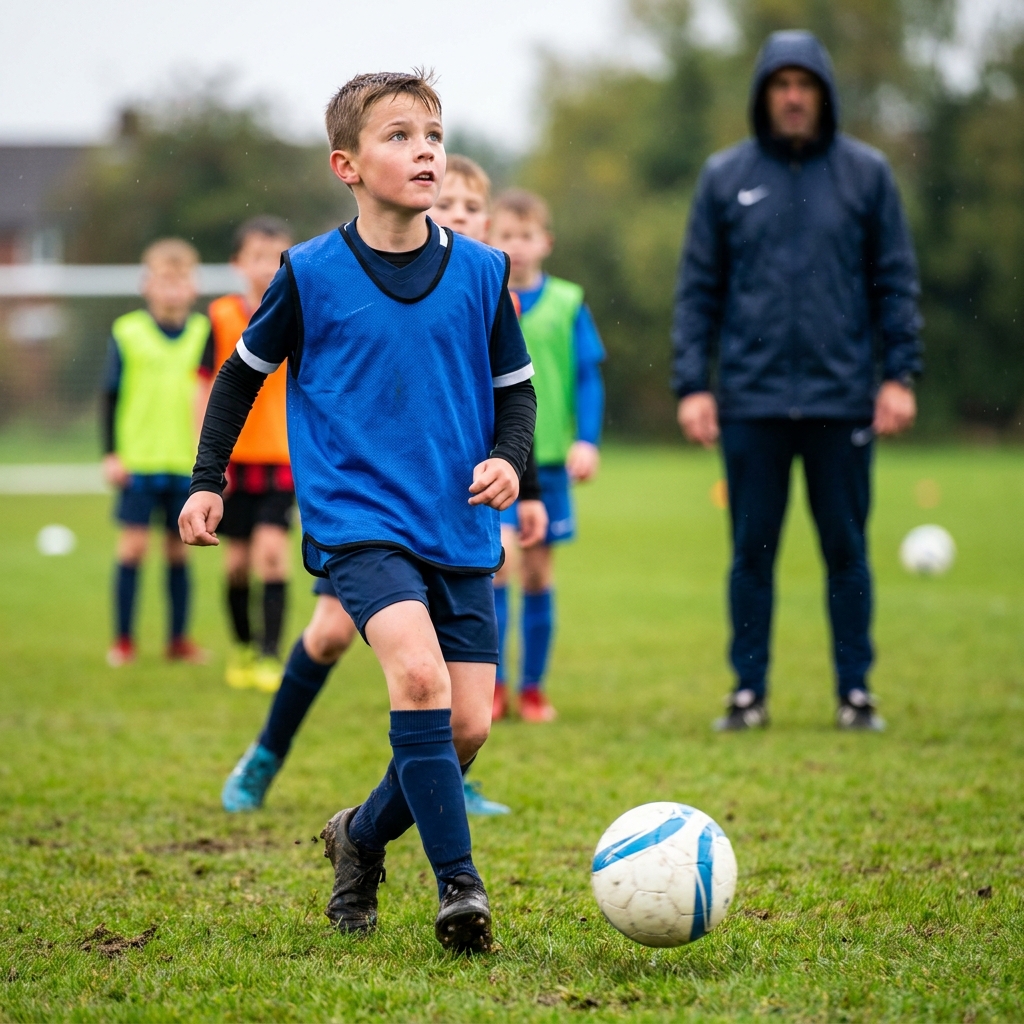
Under FutureFit, your Under-9s stay at 5v5, your Under-11s stay at 7v7 and your Under-13s stay at 9v9. Same pitch, same numbers, one more year. Here is how to make sure that year feels like a step forward rather than a repeat.