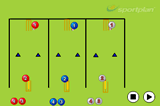
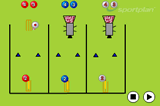
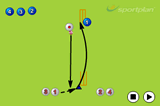
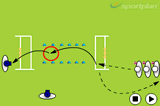
Each batter gets 6 feeds. Drill is best done in nets where available (2 grounds per net in opposite directions).
Can be done in pairs/ groups of three with 6 tennis balls per group.
The feeder bobble feeds the ball towards the batter who aims to drive the ball through the target cones.
Encourage players to wear at least batting gloves when doing this drill.
The focus for the batter needs to be on getting the ball between the cones along the ground.
This is achieved by a strong top had on the bat, shoulder dipping into the ball, playing the ball late, and getting a big stride towards the ball.
Encourage players to put their weight over the ball on contact.
Progression:
Make the target area narrower for batters, as well as incorporating different coloured cones, encouraging decision making.
Ball can also be rolled slowly towards batter, for more advanced players.
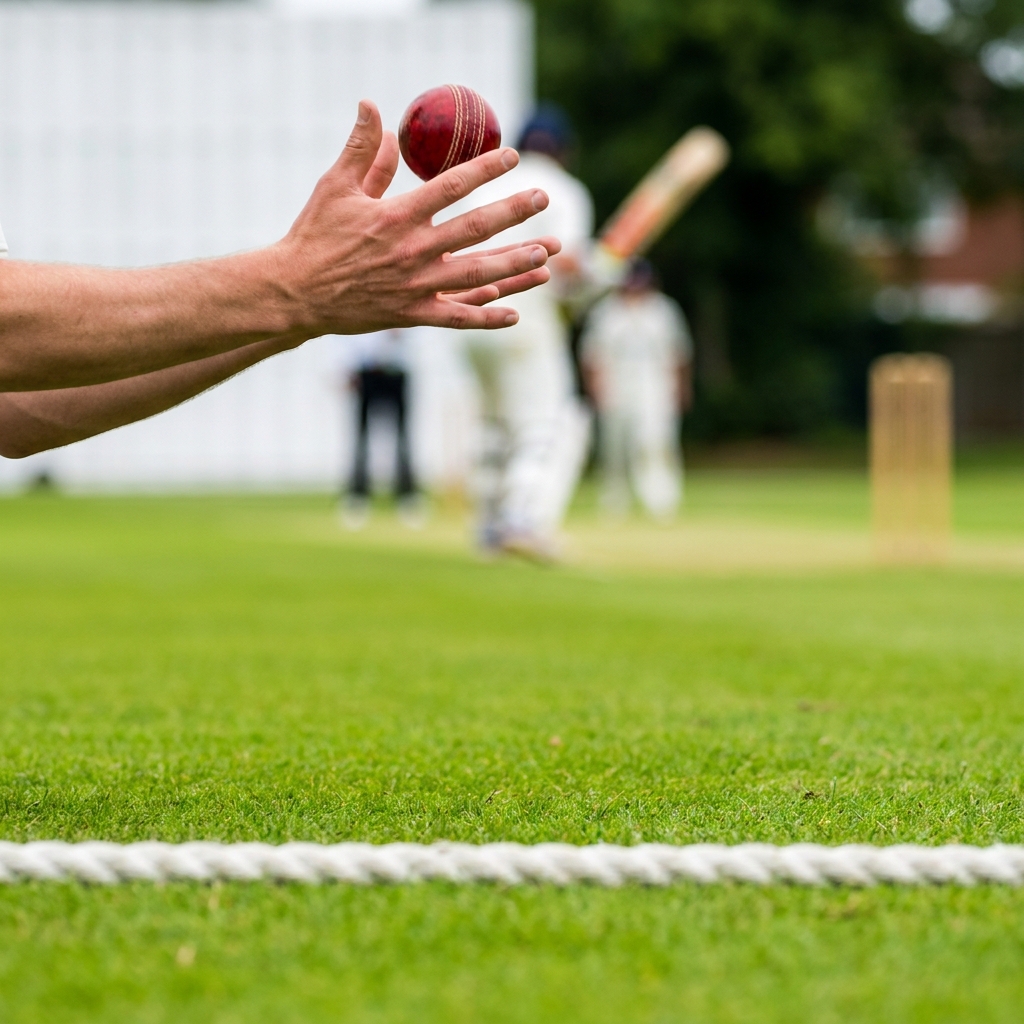
The new Laws of Cricket are in force from 1 October 2026 and the 'bunny hop' boundary catch is gone. Here is how to coach your fielders to catch on the rope this winter.

The covers are on and the last tea has been served. What your club does between now and April decides how the next season starts. Here is a simple, honest winter plan for players, bowlers and juniors.
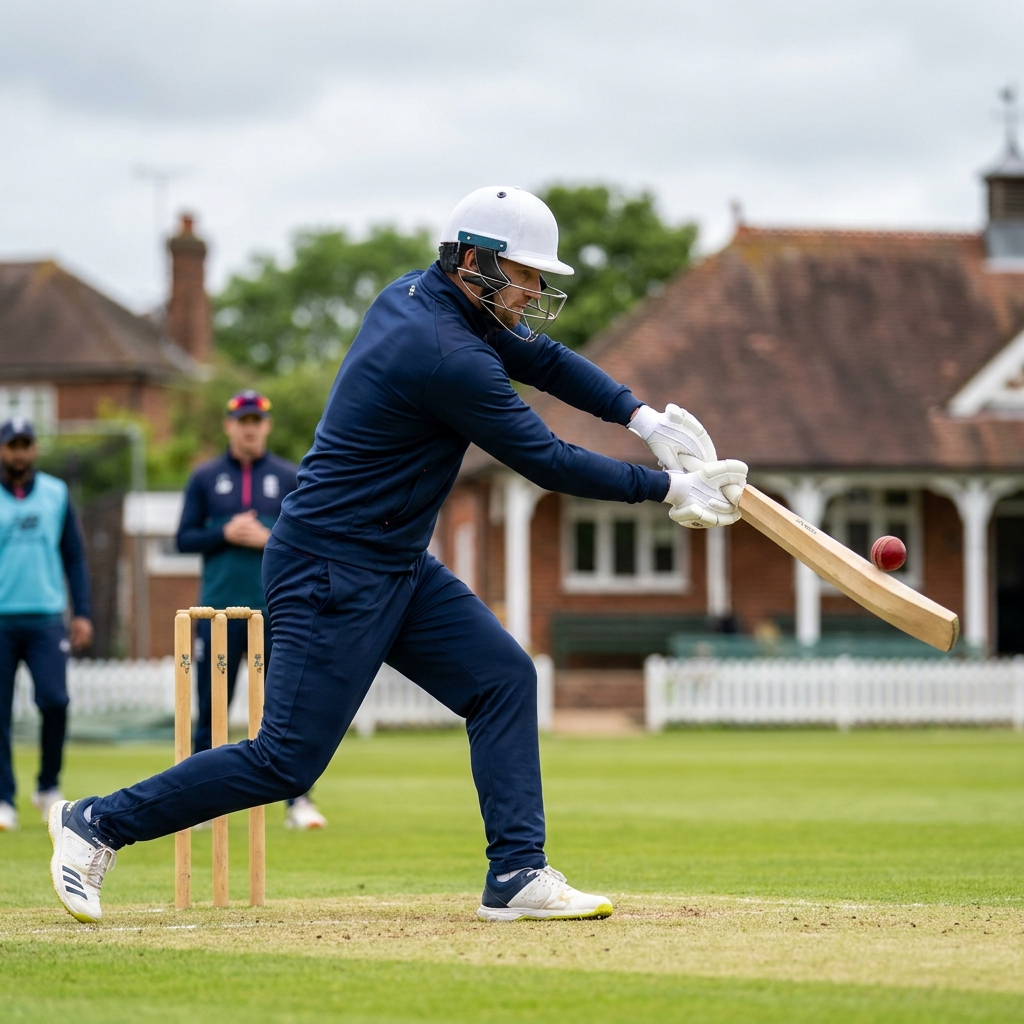
August is when seasons are decided, and most club games are lost chasing rather than setting. Give your batters a framework for the chase and you win the close ones.


Register for FREE and get coaching tips, top drills, session and more every week!