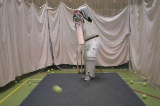
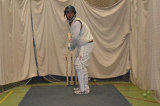
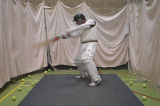
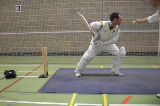
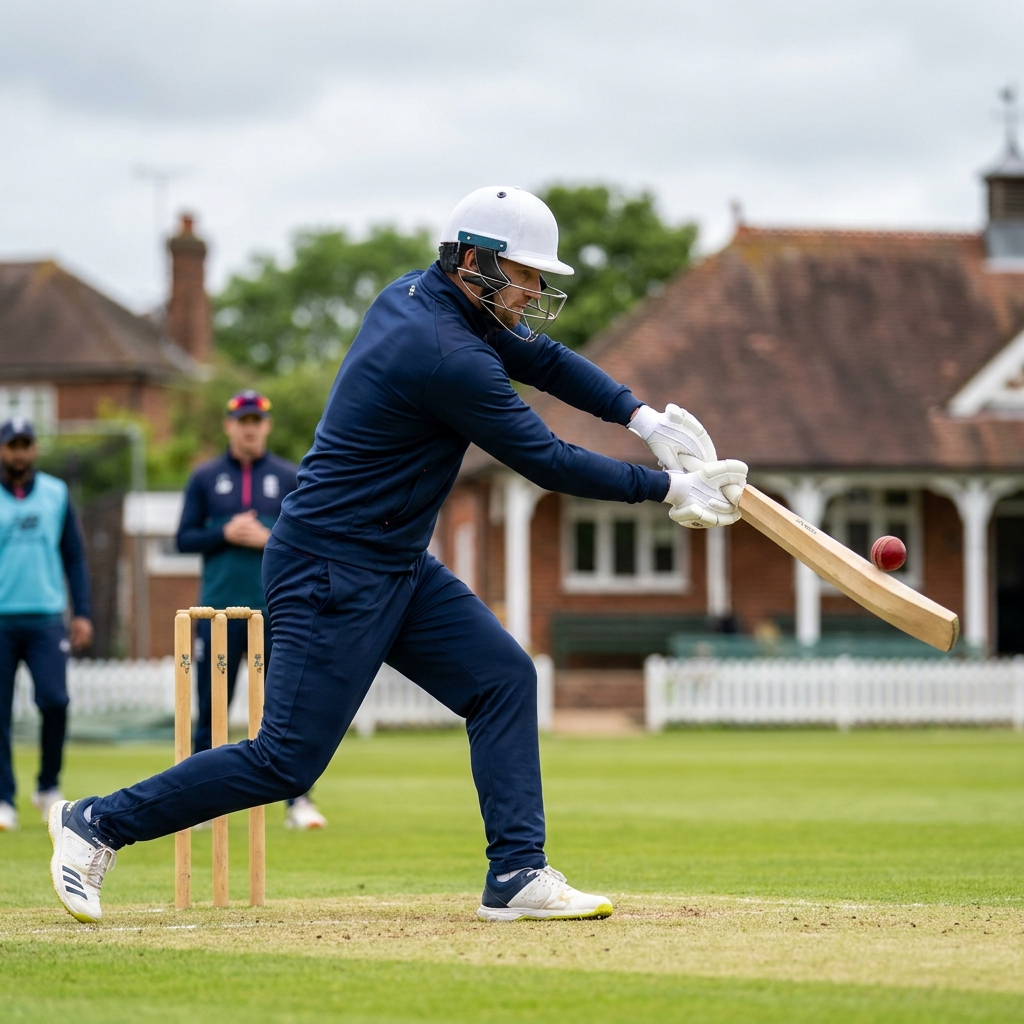
This is an attacking stroke, played to a full, wide of off stump delivery.
Keep a relaxed, balanced stance, with your head and eyes level.
Using your normal backswing, step forward; your leading foot should have a comfortable stride to the pitch of the ball.
When playing the stroke the front shoulder dips, front knee bends.
Your shoulders rotate vertically, bat moves in an arc (3 o'clock to 9 o'clock) and continues through the line of the ball in the direction of shot (through the covers - on the on-side).
The ball should be struck beneath the players nose, with the player keeping a straight bat( a high elbow will help with this). The aim is to hit the ball along the ground.
If the stroke is played too soon (in front of the players head) the ball can be hit in the air for an easy catch.
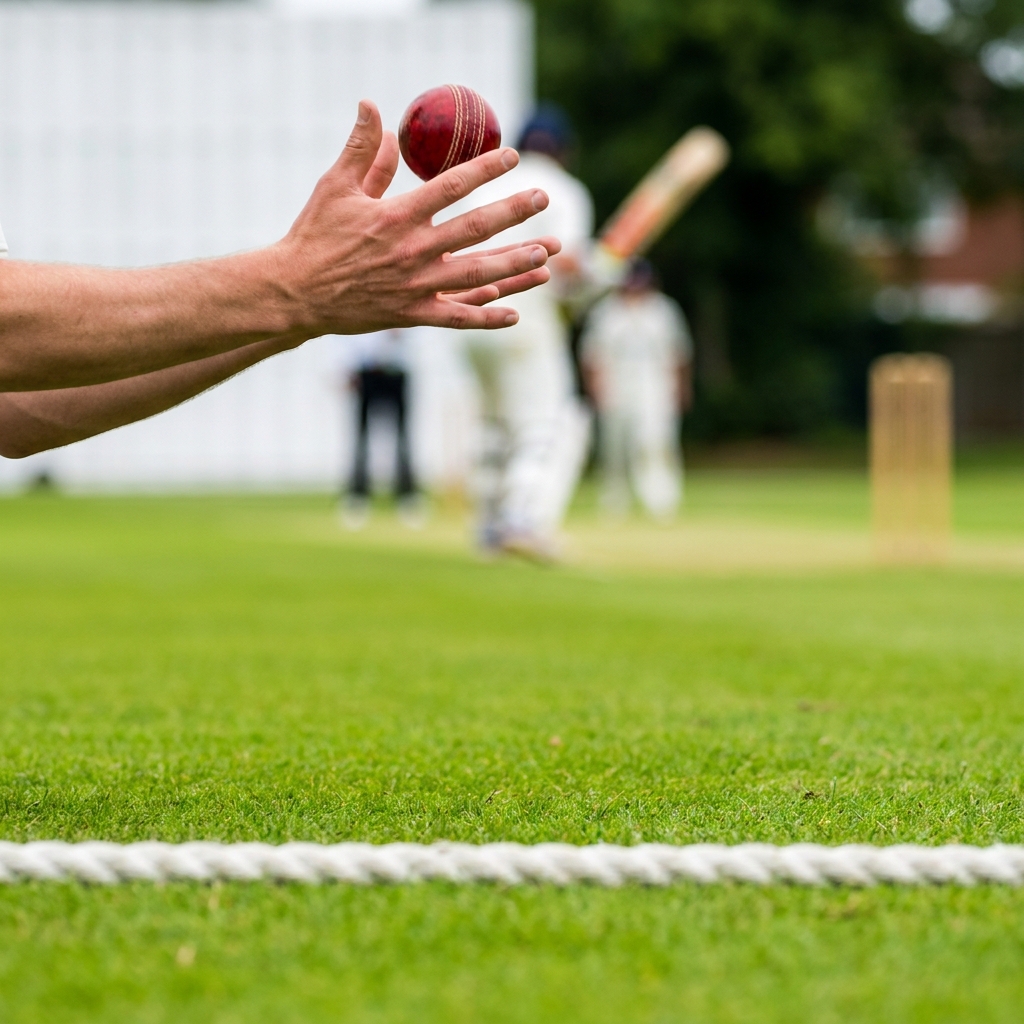
The new Laws of Cricket are in force from 1 October 2026 and the 'bunny hop' boundary catch is gone. Here is how to coach your fielders to catch on the rope this winter.

The covers are on and the last tea has been served. What your club does between now and April decides how the next season starts. Here is a simple, honest winter plan for players, bowlers and juniors.
August is when seasons are decided, and most club games are lost chasing rather than setting. Give your batters a framework for the chase and you win the close ones.


Register for FREE and get coaching tips, top drills, session and more every week!