(see c50024a & c50024b for more info)
Set up for the practice
Think enjoyment minimises boredom and encourages repetition (repetition -> development)
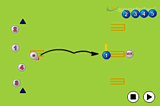
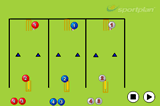
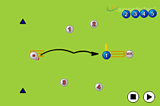
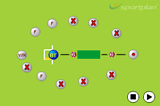
1. Set up practice as shown in diagram.
2. Markers on the floor for fielders to stand on, should be 3 metres from the batsman. Be strict on this point - safety.
3. Mark out the target area for feeder to aim at for the back foot defence.
4. Ideal number for each group is 4-5 players -maximun activity
5. Feeder kneels 7-10 paces from the batsman.
6. Feeder says \"Bat Up!\", then feeds a dart feed, standing up, throwing from head height downwards. The ball should be aimned to bounce once and between the batsman's waist and chest height.
7. Each group has 3 balls.
8. Ideal duration of practice: 20-30 mins.

The new Laws of Cricket are in force from 1 October 2026 and the 'bunny hop' boundary catch is gone. Here is how to coach your fielders to catch on the rope this winter.

The covers are on and the last tea has been served. What your club does between now and April decides how the next season starts. Here is a simple, honest winter plan for players, bowlers and juniors.
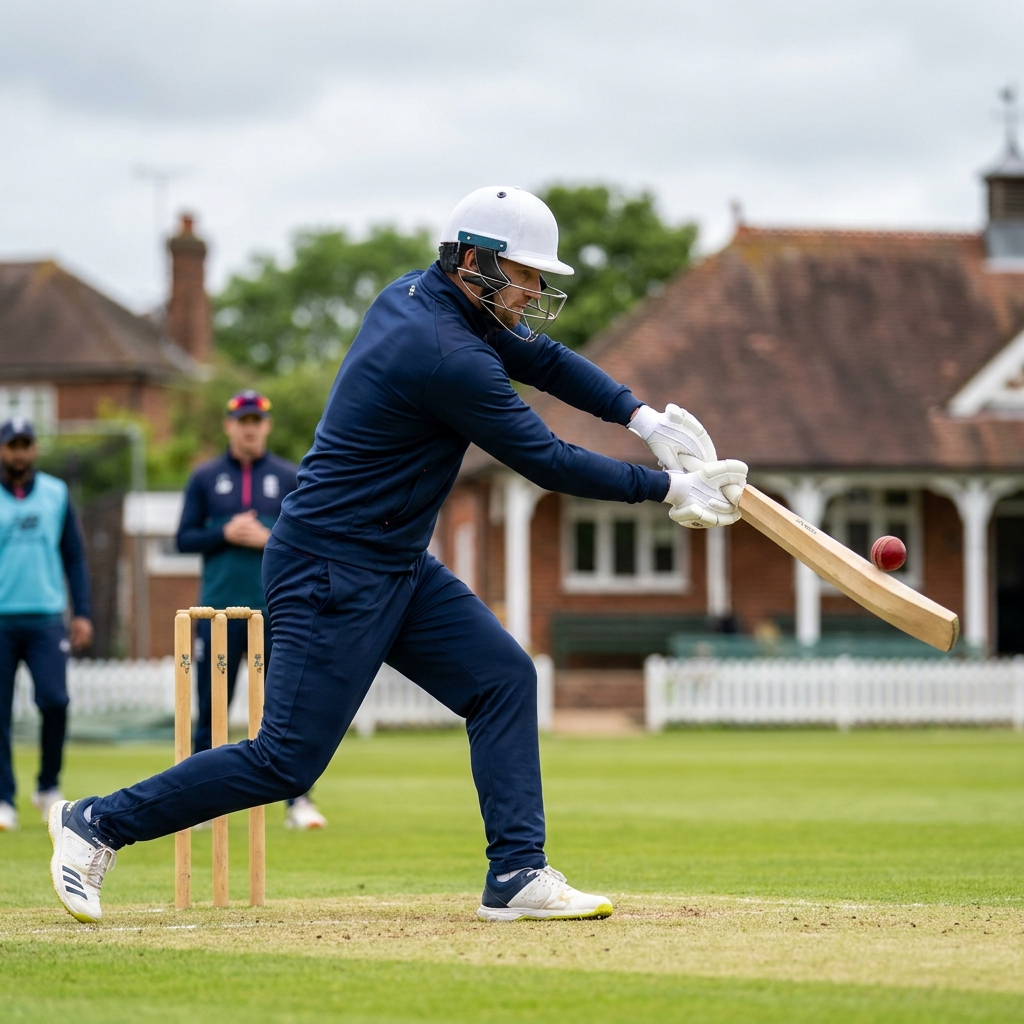
August is when seasons are decided, and most club games are lost chasing rather than setting. Give your batters a framework for the chase and you win the close ones.


Register for FREE and get coaching tips, top drills, session and more every week!